
When I got married, I thought guest accommodation would sort itself out. We’d chosen a beautiful venue as part of our wedding packages Melbourne. The date was locked. Surely adults could book a bed and find their way home. That assumption didn’t last long.
Within weeks, messages started coming through. One guest couldn’t find anything nearby. Another had booked somewhere lovely but realised there were no taxis after dinner. A third asked if they should drive because “it didn’t look that far on Google Maps.” That’s when I realised accommodation and transport weren’t side details. They were part of the wedding experience.
This comes up constantly with wedding accommodation in the Hunter Valley. It’s a popular region, but it doesn’t work like a city. Venues are spread out. Accommodation fills early. Public transport is limited. Add winery traffic, country roads, and an open bar, and guest logistics can unravel quickly if they’re left too late.
This guide breaks down wedding guest accommodation and transport in a clear, practical way. It’s based on what actually works in the Hunter Valley, not ideal scenarios.
Why Wedding Guest Accommodation Matters More Than Couples Expect
Accommodation planning often slips down the priority list. Couples focus on the ceremony, the reception, and the fun parts. Guest logistics feel practical, even boring. Until they cause problems.
What Happens When Accommodation Is An Afterthought
In the Hunter Valley, accommodation gaps appear quickly. Guests book wherever they can, not where it makes sense. Common issues I see:
- Guests staying 30–45 minutes from the venue
- Missed ceremonies due to traffic or poor directions
- Guests are leaving early because they don’t feel safe driving
- Confusion about shuttle pickup points
One couple assumed guests would book “around Pokolbin.” In reality, some stayed in Cessnock, others in Branxton, and a few as far as Maitland. On the wedding night, one shuttle couldn’t serve everyone. Phones rang. Guests waited. The evening lost momentum. In regional areas, accommodation isn’t just about comfort. It affects timing, safety, and the flow of the entire day.
How Smart Guest Planning Improves The Wedding Experience
When accommodation and transport are planned early, the difference is obvious. Guests arrive on time. They stay longer. They relax. Good planning:
- Helps older guests feel confident attending
- Makes out-of-town guests feel looked after
- Reduces drink-driving risks
- Keeps the dance floor full later into the night
It also reduces last-minute questions. Instead of fielding texts all week, couples can direct guests to one clear set of instructions. In short, accommodation planning sets the tone for the weekend. Especially in the Hunter Valley, where weddings often span more than one day.
Wedding Guest Accommodation In The Hunter Valley: What Makes It Different
The Hunter Valley looks straightforward on a map. In practice, it behaves very differently from metro wedding locations.
Limited Supply, High Demand, And Peak Season Pressure
Accommodation in the Hunter Valley is finite. There are only so many hotels, resorts, and vineyard stays close to popular venues. Spring and autumn are the pressure points. September to November and March to May book out first, especially Saturdays.
Add long weekends, wine events, or concerts, and availability tightens further. Prices rise quickly. Minimum night stays appear. Guests who book late pay more or travel further.
Here’s how timing typically affects availability:
| Booking Timing | Likely Outcome |
| 12 months out | Good choice, stable pricing |
| 6–9 months out | Limited options near venues |
| Under 3 months | High prices, long drives |
This is why early planning matters more here than in city weddings.
Distance Between Venues, Wineries, And Town Centres
Another common mistake is assuming everything is close. It isn’t. Two places listed as “Pokolbin” can be 20–25 minutes apart. Many venues sit along dark, unlit roads. Mobile reception drops out. Taxi services thin out after dinner service ends. A typical Hunter Valley setup might involve:
- Ceremony at a vineyard in Lovedale
- Reception at a winery in Pokolbin
- Guests staying in Cessnock
That’s three locations, all requiring transport planning. Without it, guests either drive or leave early. This is why wedding venue and accommodation planning must go hand in hand in the Hunter Valley. Where guests stay affects transport routes, shuttle numbers, and how late people feel comfortable celebrating.
Wedding Hotel Blocks Explained (And When You Actually Need Them)
Hotel blocks are one of the most useful tools for managing wedding guest accommodation, yet they’re often misunderstood. Many couples avoid them because they assume there’s a financial risk involved. In most cases, there isn’t. In a region like the Hunter Valley, where accommodation fills up quickly, and guests book at different paces, hotel blocks create structure without the pressure.
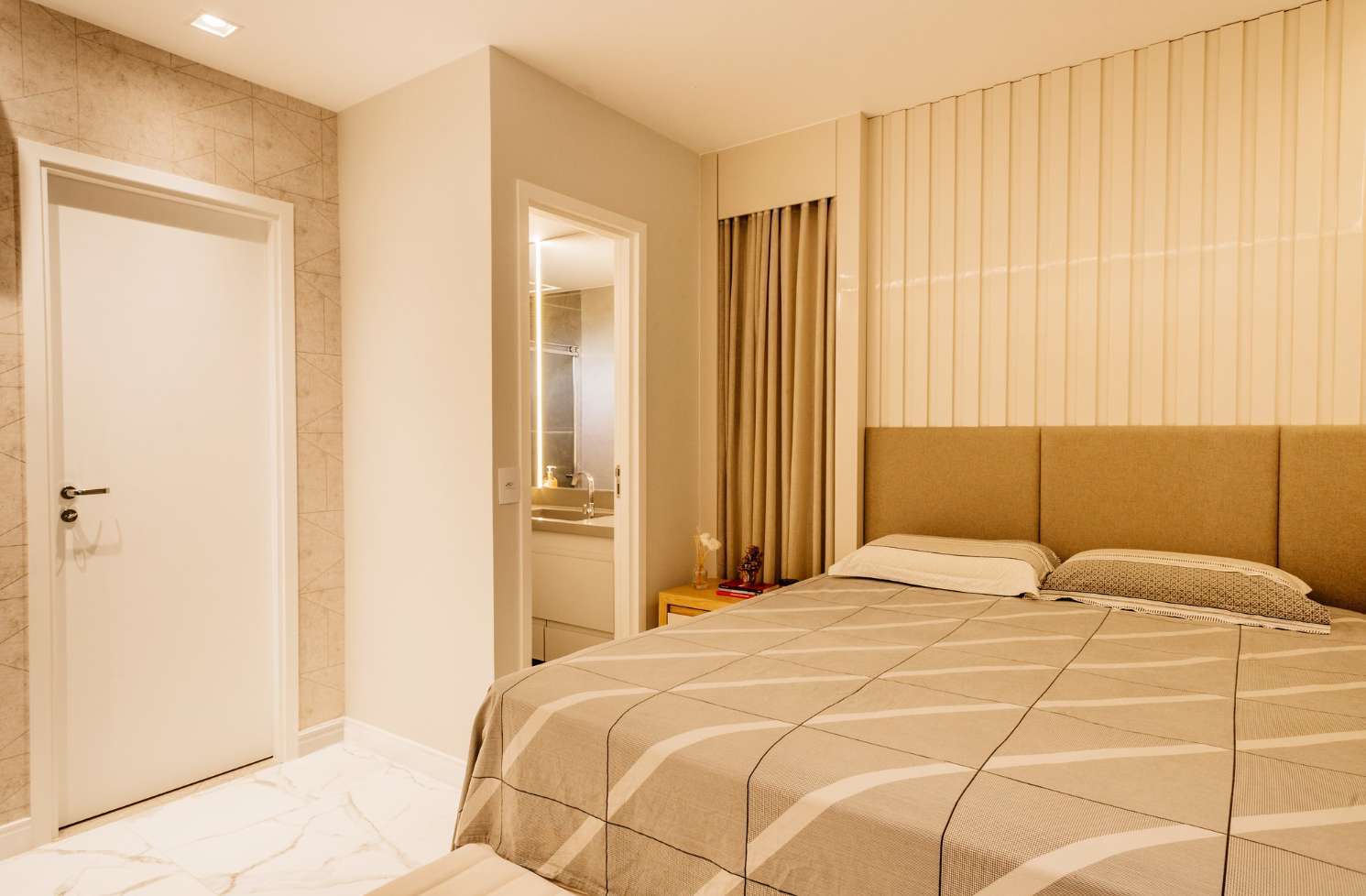
What A Wedding Hotel Block Is And How It Works
A wedding hotel block is a set number of rooms held for your guests at a pre-agreed rate. Guests book and pay for their own rooms directly with the hotel. You’re not collecting payments or managing reservations.
The main advantage is certainty. Rooms are available when guests are ready to book, and prices don’t jump after your save-the-dates go out. Hotels also know your wedding date and can plan staffing and check-in flow accordingly. Hotel blocks work particularly well when:
- Your wedding is in peak season
- Many guests are travelling from Sydney or interstate
- Accommodation near your venue is limited
In the Hunter Valley, blocks also make transport planning easier. When guests stay in the same place, or at least the same area, shuttle routes stay simple.
Courtesy Vs Attrition Blocks: Which One Is Right For You
There are two types of hotel blocks, but most couples should only consider one. A courtesy block holds rooms until a cut-off date, usually 30 days before the wedding. If guests don’t book them, the rooms return to the hotel. There’s no cost to you. This is the safest and most common option for weddings.
An attrition block requires you to fill a set percentage of rooms, often 80 to 90 per cent. If bookings fall short, you pay the difference. These blocks are better suited to conferences or corporate events, and rarely work for weddings unless a planner is actively managing bookings.
Here’s a quick comparison:
| Block Type | Financial Risk | Best For |
| Courtesy block | None | Most weddings |
| Attrition block | High | Corporate groups |
I’ve seen Hunter Valley couples secure courtesy blocks at two properties, one premium and one mid-range, and have both filled naturally. No chasing. No penalties.
How Many Rooms Should You Block For Wedding Guests?
This is where couples often hesitate. Block too many rooms, and it feels awkward. Block too few, and guests scramble. The key is to base the decision on people, not panic. Over the years, I’ve found a simple framework works well for Hunter Valley weddings.
The 80 Percent Rule (And When To Adjust It)
As a starting point, plan for around 80 per cent of your guest list to need accommodation if your wedding is regional and runs into the night. From there, adjust based on your guests’ makeup.
You’ll usually need fewer rooms if most guests are local or driving home. You’ll need more if guests are travelling from Sydney, interstate, or overseas. Friday weddings, long weekends, and child-free celebrations often push demand higher because guests are more likely to stay overnight.
Here’s a realistic scenario:
- 120 guests invited
- 90 travelling from outside the region
- Around 70 guests sare taying overnight
- Average of two guests per room
In this case, blocking 30 to 35 rooms across two or three properties makes sense.
Booking Across Price Points To Suit All Budgets
One accommodation option rarely suits everyone. The best results come from spreading room blocks across different price points in the same area. A practical setup usually includes:
- One premium option close to the venue
- One mid-range hotel or resort
- One budget-friendly choice within a short drive
This approach keeps guests comfortable and avoids awkward conversations about cost. It also keeps transport planning simple. When recommended hotels sit close together, one shuttle route can cover them all.
How Far In Advance To Book Wedding Accommodation In The Hunter Valley
In the Hunter Valley, timing matters almost as much as location. I’ve seen couples secure perfect room blocks with one email, and others spend weeks patching together options because they waited too long. The difference usually comes down to when they started.
Ideal Booking Timeline By Season
For most Hunter Valley weddings, this timeline keeps things smooth without overplanning.
- 12 months before the wedding
Start researching accommodation near your venue. Reach out to hotels and resorts about courtesy blocks, especially if your date falls in spring or autumn. - 9 months out
Secure your room blocks and confirm cut-off dates. Add accommodation details to your wedding website so guests can book early. - 6 months out
Check booking progress. If one hotel is filling faster than expected, consider adding a second option nearby. - 3 months out
Unbooked rooms usually return to the hotel. At this point, lock in transport plans based on where guests have booked.
Long weekends, school holidays, and wine events compress this timeline. October and April dates often need action a month earlier than usual.
What Happens If You Leave It Too Late
When couples delay accommodation planning, a pattern emerges. Nearby rooms disappear. Prices climb. Minimum night stays appear. Guests book further in advance, and transport plans become more complicated.
One couple delayed booking because they didn’t want to “rush anyone.” By the time they acted, the closest hotels were full. Guests ended up spread across four towns. Transport costs doubled, and some guests left early to drive home. The intention was kind, but the outcome added stress.
Wedding Transport In The Hunter Valley: When You Need It And When You Don’t
Transport is one of those decisions couples debate right up until the final weeks. Some assume it’s optional. Others worry it will blow the budget. In the Hunter Valley, the right answer depends less on etiquette and more on geography.
I’ve seen weddings run beautifully without organised transport, and I’ve seen others fall apart because it wasn’t considered early enough.
Situations Where Transport Is Essential
There are clear scenarios in which organising transport stops becomes a “nice extra” rather than a practical necessity.
If your venue is remote, parking is limited, or the ceremony and reception are in different locations, guests will struggle without help. Add an open bar and long country roads, and most guests won’t feel comfortable driving themselves. Transport is strongly recommended when:
- The venue is more than 15 minutes from the guest accommodation
- The wedding runs late into the night
- Mobile reception is patchy near the venue
- Taxis or rideshares are unreliable after 10 pm
One Hunter Valley couple decided against transport because the drive looked short. On the night, fog rolled in, signage was poor, and several guests left straight after dinner. The dance floor never quite recovered.
Situations Where Transport May Be Optional
Transport isn’t always required. Some weddings are naturally contained. If most guests are staying on-site or within walking distance, or the venue has ample parking and clear access, guests may prefer to drive themselves. This can also work when the guest list is mostly loca,l and the celebration ends earlier.
Even in these cases, it helps to provide clear guidance. Guests appreciate knowing whether driving is realistic or if they should plan ahead. The rule I give couples is simple: if more than half your guests are unfamiliar with the area, transport is worth serious consideration.

Capacity Planning: Avoiding The ‘No Seat Left’ Disaster
Transport capacity is one of those details that feels minor until it goes wrong. I’ve seen beautifully organised weddings hit a snag because one bus was short a few seats. The result is never subtle. In the Hunter Valley, where late-night alternatives are limited, capacity matters.
Why You Should Always Overbook Seats
A safe rule is to plan for 10 per cent more seats than you think you need. Guests change plans on the night. Someone who intends to drive decides to drink. A partner hops on at the last minute. Heels come off, and people spread out.
Overbooking slightly gives guests breathing room and keeps the mood relaxed. No one wants to stand in a bus aisle in formalwear or argue about who rides first. For example, if you expect 50 guests to use the shuttle, plan seating for at least 55. The extra cost is usually modest compared to the stress it avoids.
Backup Plans For Unexpected Guests
Even with careful planning, surprises happen. A simple backup plan can save the night. This might include:
- A driver on standby
- A second, smaller vehicle on call
- Clear taxi numbers shared in advance
- A final late-night sweep for remaining guests
I worked with a couple who arranged a small van as a backup for the last minute. It only ran once, but it picked up four guests who would otherwise have been stranded. They never noticed the cost. They remembered the relief.
How To Communicate Guest Accommodation And Transport Clearly
Even the best accommodation and transport plan falls apart if guests don’t understand it. Clear communication is what turns good planning into a smooth wedding day. I always tell couples this: if guests are texting you on the morning of the wedding, something wasn’t explained clearly enough.
What To Put On Your Wedding Website
Your wedding website should be the single source of truth. Keep the information simple, specific, and easy to scan. At a minimum, include:
- Recommended accommodation options with booking links
- Any wedding hotel block details and cut-off dates
- Shuttle pickup locations and times
- Clear venue addresses and maps
Avoid vague language like “transport will be provided.” Guests want to know where to be and when. Exact locations matter in the Hunter Valley, where venues sit off similar-looking roads.
Printed Info, Welcome Bags, And On-Arrival Support
Digital information is essential, but printed details still matter, especially for older guests or those with patchy reception. Welcome bags work well when they include a simple printed itinerary with:
- Shuttle times
- Pickup points
- Emergency contact numbers
It also helps to nominate a point person for transport. This might be a planner, venue coordinator, or trusted friend. Guests can direct questions to them instead of the couple. On the day that separation is gold.
Who Pays For Wedding Guest Accommodation And Transport?
Money conversations around weddings can feel awkward, but clear expectations prevent confusion. In the Hunter Valley, most guests understand the basics. Problems only arise when assumptions go unspoken.
What Guests Expect To Pay For
In almost every wedding I’ve worked on, guests expect to cover their own travel and accommodation. That includes hotel rooms, flights, fuel, and any extra nights they choose to stay. This is standard, even for destination-style weddings in regions like the Hunter Valley. What guests appreciate is clarity. They want to know:
- Where to stay
- How far is it from the venue
- What transport options exist if they don’t want to drive
When that information is clear, cost rarely becomes a sticking point.
What Couples Typically Cover
Couples usually step in when group logistics affect safety or timing. In the Hunter Valley, this most often means covering the cost of a wedding shuttle service between key accommodation points and the venue.
It’s also common for couples to cover:
- Transport for the wedding party
- Accommodation for the immediate family or the bridal suite
- Shuttle services late at night when taxis are scarce
One couple I worked with chose not to provide transport but paid for the bridal party’s accommodation close to the venue. Guests understood the distinction because it was communicated clearly. Expectations matched reality.
Organising wedding guest accommodation in the Hunter Valley is less about perfection and more about foresight. When guests know where to stay, how to get there, and how they’ll get home, everything else flows more easily. The ceremony starts on time. The reception runs smoothly. Guests stay longer and enjoy themselves without worrying about logistics.
The couples who look back most fondly on their wedding aren’t the ones who overplanned every detail. They’re the ones who removed friction. Clear accommodation options, sensible hotel blocks, and well-timed transport do exactly that. In a regional setting like the Hunter Valley, these choices aren’t extras. They’re part of hosting well.