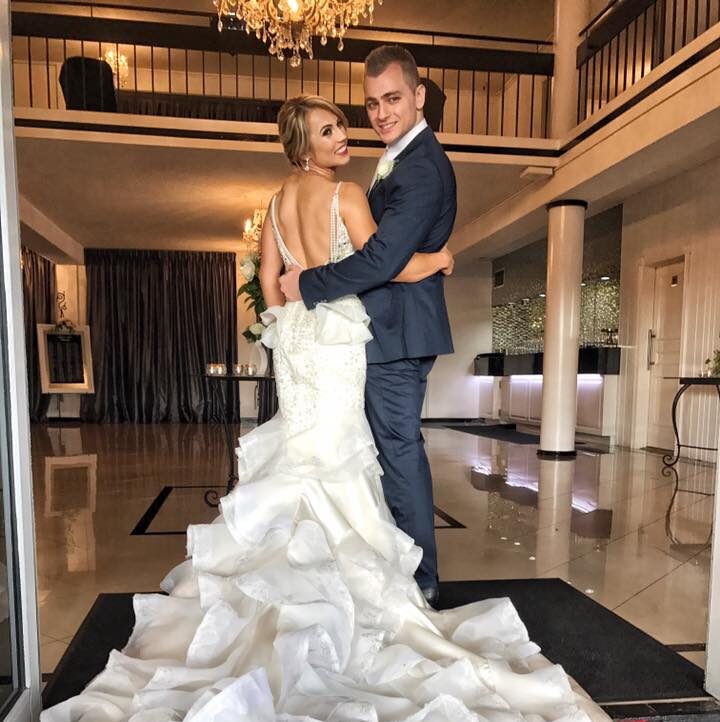
When I got married at Vogue Ballroom, a beautiful wedding ceremony venue Melbourne, I remember standing at the front of the room and realising how quiet everything suddenly felt. Two hundred guests. Not a clink of glass. Not a cough. Every eye was fixed on the ceremony. That moment taught me something I’ve carried into every wedding since: the ceremony script matters more than most couples expect.
I’ve worked with couples across Melbourne for over two decades, from beachside elopements down the Mornington Peninsula to black-tie ballroom weddings in the CBD. No matter the venue or guest count, the same rule applies. Guests remember how the ceremony made them feel. They forget the centrepieces. They forget the menu. They remember the words.
A wedding ceremony script does more than tick a legal box. It sets the tone for the entire day. It tells guests who you are as a couple. It signals whether the celebration will feel relaxed, formal, modern, or deeply traditional. When the wording is clear and personal, the room leans in. When it feels rushed or generic, people drift.
This guide is for couples writing their own ceremony wording, for friends stepping in as officiants, and for celebrants who want a structure that works every time. I’ll walk you through how to move from a blank page to a finished wedding ceremony script that flows, sounds natural when spoken aloud, and meets Australian legal requirements without killing the mood.
Along the way, I’ll share what I’ve seen work in real ceremonies, where people usually trip up, and how to keep your ceremony warm, calm, and confident from the first welcome to the final kiss.
What Makes A Wedding Ceremony Script Actually Memorable
I’ve sat in hundreds of ceremonies where the couple put months into planning the reception, and about 10 minutes into the ceremony, the wording. You can feel the difference straight away. When the script is thoughtful, the room settles. When it isn’t, guests shift in their seats and start checking watches.
A memorable wedding ceremony script does three things well. It speaks clearly. It feels personal. And it moves at the right pace.
Why Guests Remember The Ceremony More Than The Reception
The ceremony is the only part of the day where everyone stops and pays attention at the same time. No drinks service. No background chatter. No distractions. In Melbourne venues, especially, where ceremonies often happen in the same space as the reception, that pause is powerful.
I once worked with a couple in Fitzroy who kept their ceremony to 22 minutes. Short, sharp, and honest. No fluff. Months later, guests still quoted lines from the officiant’s opening remarks. Not the vows. Not the speeches. The opening. That’s the window you’re working with.
The Balance Between Legal Wording And Personal Story
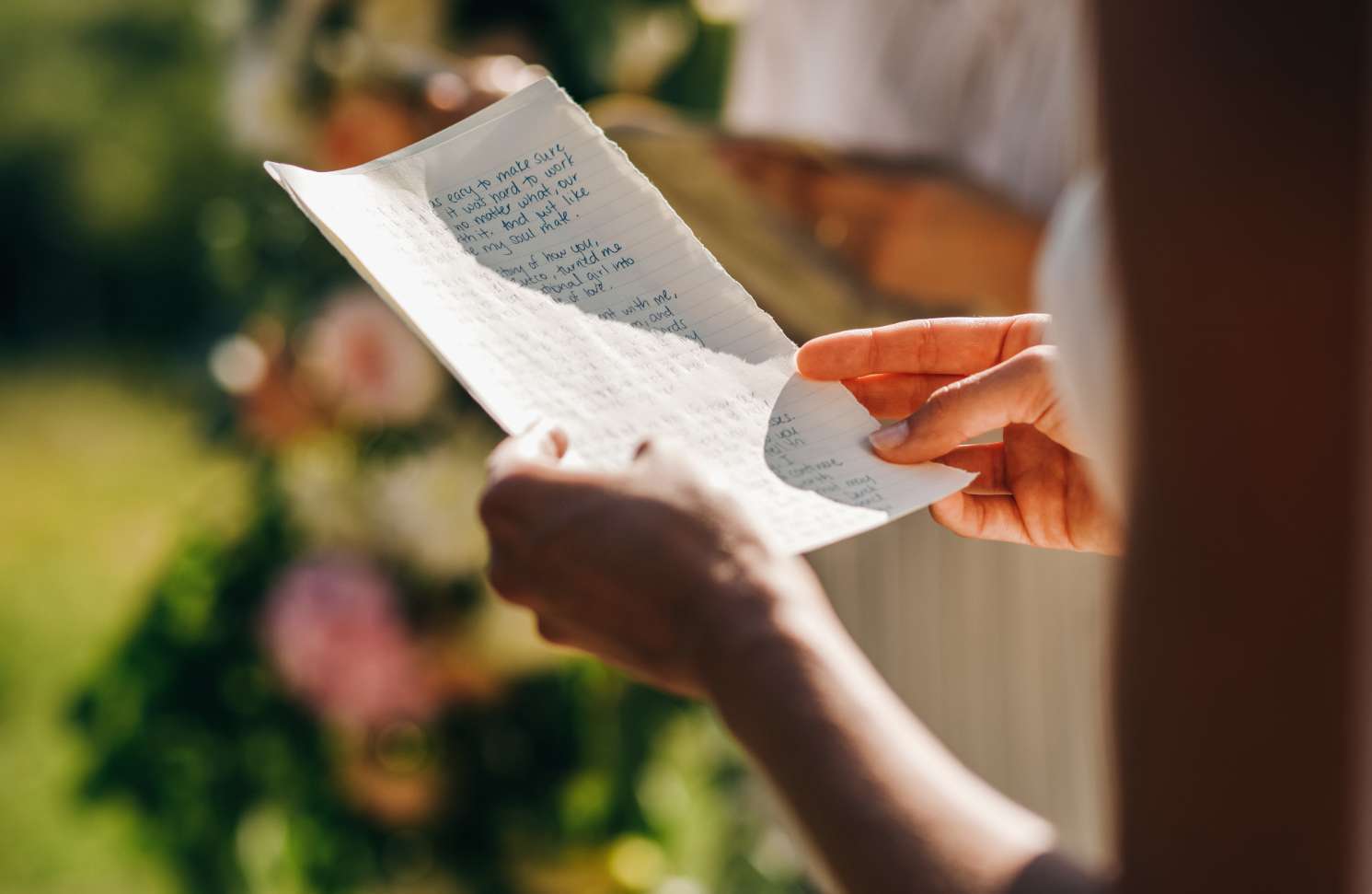
In Australia, every civil ceremony must include two legal elements:
- The Declaration of Intent
- The Pronouncement
Everything else is flexible. This is where couples get nervous. They hear “legal” and assume stiff language or cold delivery. That’s not how it plays out in real weddings.
The legal lines usually take less than a minute. The rest of the ceremony is where personality lives. When the story is woven around those legal moments, guests never notice the shift. They just hear a ceremony that makes sense.
Common Ceremony Mistakes I See At Australian Weddings
Here are patterns I see every season, across Melbourne venues big and small:
- Scripts copied from overseas websites with wording that does not suit Australian ceremonies
- Long readings that sound lovely on paper but fall flat out loud
- Inside jokes that only the bridal party understands
- Rituals addwere ed with no explanation, leaving guests confused
- Ceremonies that run past 40 minutes on a hot day
On a 35-degree January afternoon in the Yarra Valley, a long ceremony is not romantic. It’s uncomfortable. Good ceremony wording respects the room, the weather, and the people sitting in front of you. When the script works, it disappears. Guests don’t think about structure. They just feel part of the moment.
Planning Your Wedding Ceremony Script Before You Write A Single Word
The strongest wedding ceremony scripts are planned long before anyone opens a blank document. This is the part most people rush, and it shows. A little prep here saves rewrites later and keeps the ceremony from feeling patched together.
The First Planning Chat That Sets The Tone
Every great ceremony I’ve been part of started with a proper conversation. Not an email. Not a shared Google Doc. A real chat. This is where you work out the shape of the ceremony and the mood you want to create. Formal or relaxed. Light humour or heartfelt. Short and sharp or slow and reflective.
I once met with a couple in St Kilda who told me, very clearly, “We don’t want anything cringe.” That one sentence guided every choice we made. No forced romance. No flowery language. Just honest wording that sounded like them. That clarity matters.
Ceremony Questionnaires That Actually Work
After the first conversation, I always send couples a questionnaire. Not a long one. Just the right questions. The best answers usually come when people write privately, without an audience. This is where the real stories live. Useful questions include:
- How did you meet, and what do you remember about that day?
- What made you realise this relationship was different?
- What do you admire most about each other?
- What should your guests understand about your life together?
One couple from Brunswick wrote three lines about their first date that ended up shaping the entire ceremony. Simple details. Big impact.
Choosing The Ceremony Style Early
Before you write any wording, decide what kind of ceremony you’re holding. This choice affects language, pacing, and length. Common ceremony styles in Australia include:
- Modern ceremony script with relaxed language
- Non-religious ceremony script focused on values and story
- Civil ceremony script with a clean, formal structure
- Light and informal ceremonies with gentle humour
- Traditional ceremonies with classic phrasing
Trying to mix every style usually leads to a confused ceremony. Pick a lane. Guests feel it when the tone is consistent. Once the style is clear, the writing becomes easier. You’re no longer guessing what fits. You’re choosing words that serve the mood you’ve already set.
The Standard Wedding Ceremony Script Structure (The 10-Part Framework)
After years of watching ceremonies succeed and stumble, I can say this with confidence: structure creates calm. When the order makes sense, the emotion lands where it should. When it doesn’t, even beautiful wording struggles to hold attention. Most modern and civil wedding ceremonies in Australia follow the same basic flow. The wording changes, the tone shifts, but the framework stays steady.
“When the structure works, the emotion lands. When it doesn’t, the ceremony drags.”
Below is the structure I return to again and again.
1. Officiant Opening Remarks
This is where you welcome guests and take control of the room. It’s also your first chance to set the tone. A strong opening usually includes:
- A warm welcome
- A brief acknowledgment of why everyone is gathered
- Any housekeeping notes, such as an unplugged ceremony
At a Carlton Gardens ceremony last spring, the officiant opened by thanking guests for travelling and asking them to be fully present. Phones away. Eyes up. The room settled instantly.
2. The Processional
The processional is the visual start of the ceremony. Music cues matter here. Timing matters even more. This is when:
- The wedding party enters
- The couple arrives, together or separately
- Guests shift from watching to feeling
In tight Melbourne venues, shorter processionals often work better. Long pauses can feel awkward indoors.
3. The Officiant Address Or Story
This section is the heart of the wedding ceremony script. It’s where the couple’s story lives. A good officiant address:
- Shares how the couple met
- Reflects on what holds their relationship together
- Speaks to guests as witnesses, not an audience
I once heard a celebrant describe a couple’s relationship as “steady, not flashy.” It was honest. Guests nodded. That’s the goal.
4. Declaration Of Intent
This is one of the two legal requirements for an Australian marriage. It’s the moment where each person clearly states their intention to marry the other. Simple language works best here. Clear. Direct. No distractions.
5. The Vows Exchange
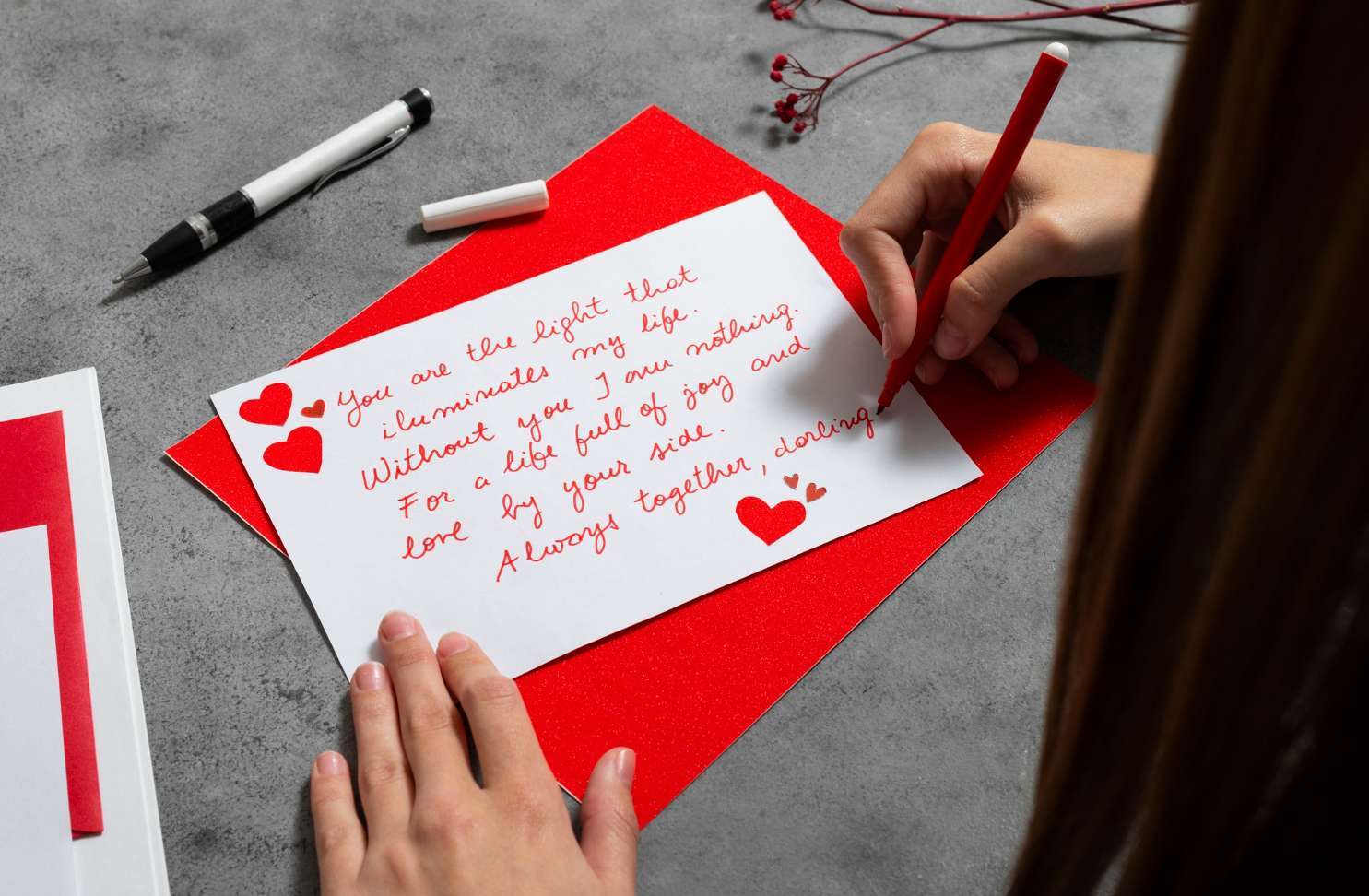
This is the emotional peak of the ceremony. Some couples write their own vows. Others prefer guided wording. Both work when the vows sound like spoken language, not a written essay. As a rule of thumb:
- One minute per person is plenty
- Short sentences land better than long ones
6. The Rings Exchange
Rings are the physical symbol of the promises just made. This is the moment to explain what the rings represent, especially for guests who may not be familiar with the tradition. One clear sentence does the job.
7. The Pronouncement
This is the second legal requirement. The officiant formally declares the couple married. It should feel confident and final. No rushing. No mumbling.
8. The Kiss
A small detail that matters: the officiant should step aside. This keeps the photos clean and lets the couple have the moment without distraction. Silence here is powerful.
9. Officiant Closing Remarks
The ceremony needs a clear landing. This is where you:
- Thank guests
- Acknowledge what comes next
- Invite celebration
Short and upbeat works best.
10. The Recessional
The newly married couple leads the way out. Music kicks in. Smiles break out. The tone shifts from ceremony to celebration. When this structure is in place, the wording has room to breathe. The ceremony feels intentional, not improvised.
Writing The Ceremony Wording Without Sounding Stiff Or Forced
Once the structure is set, the real work begins. This is where many wedding ceremony scripts lose their way. The wording looks fine on paper, but feels awkward when spoken. The fix is simpler than most people think.
Why Simple Language Wins Every Time
Ceremony wording is spoken once and heard once. Guests do not get a second read. Long sentences and heavy language slow the moment down. The strongest ceremony scripts use:
- Short sentences
- Everyday words
- Clear meaning
I often tell couples to read their ceremony wording out loud in their kitchen. If it feels odd there, it will feel worse in front of 150 guests at a Richmond warehouse venue.
How To Explain Rituals So Guests Stay Engaged
Rituals only work when guests understand what they are watching. Without context, even meaningful traditions fall flat. If you include a ritual, explain two things:
- What is happening
- Why does it matter to this couple
Common rituals and how they fit:
- Handfasting: Explain the binding as a symbol of commitment
- Unity candle: Share why two flames become one
- Sand ceremony: Describe how separate lives join permanently
One couple in Williamstown chose a handfasting because their grandparents had done the same. One sentence of explanation made the moment land.
Using Quotes, Readings, And Poems The Right Way
Quotes and readings can lift a ceremony or slow it down. I recommend:
- One reading only
- Under one minute
- Read by someone confident
Popular choices include poems, short book excerpts, or meaningful film lines. The best ones echo the couple’s values without stealing focus. A well-placed quote supports the ceremony. It should never carry it.
Wedding Ceremony Script Templates Vs Custom Writing
Templates get a bad reputation, but they have a place. The key is knowing when to use them and when to move beyond them.
When A Wedding Ceremony Template Works
A wedding ceremony template works best for elopements, registry-style weddings, and events with tight venue time limits. In these situations, a template provides a clear structure, helping the ceremony run smoothly while keeping it concise and easy to follow.
Where Templates Fall Short
Templates often fall short because they can sound generic, lack personal detail, and feel interchangeable from one couple to the next. Guests tend to notice this, even if they cannot quite articulate what feels missing.
How Professionals Adapt A Template
Experienced celebrants adapt templates as starting points rather than finished products. They rewrite the opening, replace generic lines with real stories, adjust the tone to suit the couple, and remove anything that does not serve the moment. As a result, the ceremony feels personal and meaningful, even when the underlying structure is familiar.
Formatting Your Wedding Officiant Script For Confident Delivery
A well-written wedding officiant script still fails if it’s hard to read on the day. Formatting matters more than most people expect.
Why Most Scripts Fail On The Day
Common issues include:
- Dense paragraphs
- Small font size
- No visual breaks
- Names buried in text
This leads officiants to be glued to the page rather than the couple.
Proven Formatting Rules I Use
Here’s the checklist I follow for every ceremony:
- Font size is large enough to glance at
- Lines broken like poetry, not paragraphs
- Names highlighted clearly
- Clear spacing between sections
This format allows you to maintain eye contact without losing your place.
Performance Tips That Keep You Off The Page
Two practical tricks:
- Slide your thumb down the page as you read
- Pause at section breaks and look up
Confidence comes from preparation, not memorisation.
Final Checks Before The Wedding Day
The final week is about detail, not rewriting.
Rehearsals That Actually Matter
An effective rehearsal focuses on the practical elements of the ceremony, including where everyone stands, when the music starts and stops, and how the rings are handed over. Spending ten focused minutes on these essentials is often far more valuable than an hour of unfocused discussion.
What To Confirm 45 Minutes Before The Ceremony
A final check shortly before the ceremony helps prevent unnecessary stress. At this point, it is important to confirm that all marriage paperwork is present, the rings are accounted for, the microphone is working correctly, and music cues are ready to go.
Opening With Confidence
Start by addressing the guests. It breaks the tension and brings the room together. When the opening feels calm, everything else follows.
Writing a wedding ceremony script is not about finding perfect words. It’s about choosing honest ones. When the structure is clear, the wording is simple, and the delivery is calm, the ceremony does exactly what it should. It brings people together, marks the start of a marriage, and sets the tone for the day ahead.
I’ve seen this play out at Melbourne weddings of every size and style. The couples who invest time here never regret it. Long after the music fades and the flowers are gone, it’s the ceremony people remember.