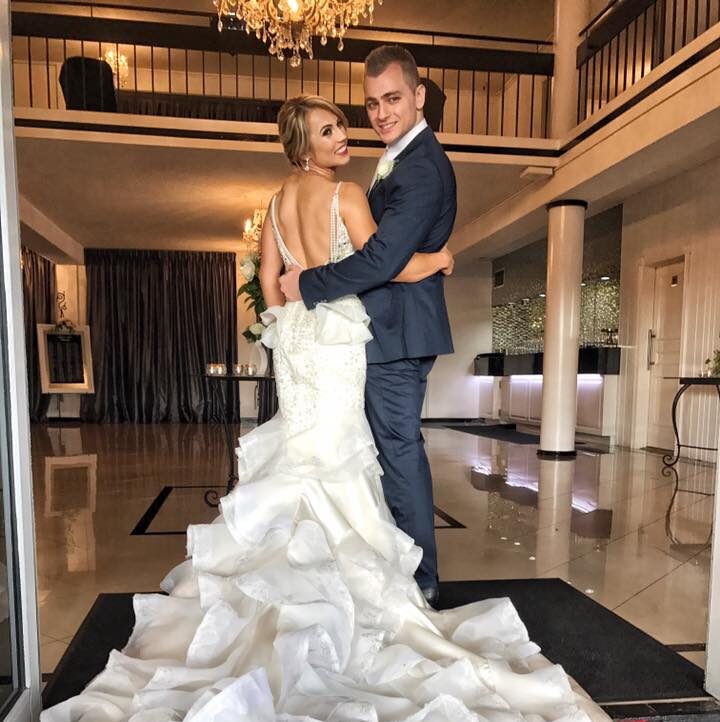
After years of working with brides across Melbourne and getting married at Vogue Ballroom myself, I’ve seen one clear truth play out in fitting rooms: when a plus-size wedding dress is designed properly, confidence follows. The problem is rarely the bride’s body. It is usually the dress. A gown should support the bust, define the waist where it naturally sits, and stay comfortable from the ceremony through to the last dance.
Many curvy brides walk in worried that nothing will fit or that they need to change their bodies before choosing a dress. Those fears are common, especially when bridal sizing runs smaller than Australian street sizes. The reality is simpler. The right silhouette and construction make all the difference.
This guide explains how plus-size wedding dresses in Australia actually work, which styles flatter different body types, where to shop without stress, and how to approach the process with confidence.
Why Plus Size Wedding Dresses Need Different Design — Not Just Bigger Sizes
I often hear brides say, “Can’t they just make it a size bigger?” I wish it worked that way. In reality, scaling up a size 10 gown to a size 24 without redesigning it is like stretching a house without fixing the foundations. The proportions change, weight shifts, and suddenly the dress pulls in places it never should.
I see this most often in cheaper gowns and online purchases, where a bride looks great from the front but feels uncomfortable the moment she sits down. A plus-size wedding dress needs to be designed for curves from the start. Fuller busts need real support, not flimsy cups. Waists sit in different places on different bodies, and if that seam is off by even a few centimetres, the whole dress can feel wrong.
Skirts also carry more fabric, which means balance matters. Too light, and the dress clings. Too stiff and it feels heavy by the end of the night.
The Difference Between “Made Bigger” And “Made For Curves”
In fittings, this difference becomes apparent quickly. A dress that has simply been made bigger often pinches under the arms, pulls across the bust, and collapses at the back. Brides tug at it all appointment long. A dress designed for curves does the opposite. It holds shape without squeezing and supports without feeling restrictive.
Here is what separates the two:
- Bust support that is built in
Proper plus-size bridal gowns use internal corsetry, wider straps, or structured bodices. Strapless does not mean unsupported when the gown is designed well. - Waist placement that matches real bodies
The waistline should sit where your waist actually is, not where a pattern assumes it should be. - Skirt balance and fabric weight
Extra fabric needs structure so it falls cleanly and moves well when you walk or dance.
I once worked with a bride from Geelong who tried the same style in two different brands. One felt tight and unforgiving. The other, designed for plus sizes, zipped easily and looked smoother straight away. Same silhouette. Completely different result.
What Quality Construction Looks Like In Plus-Size Bridal Gowns
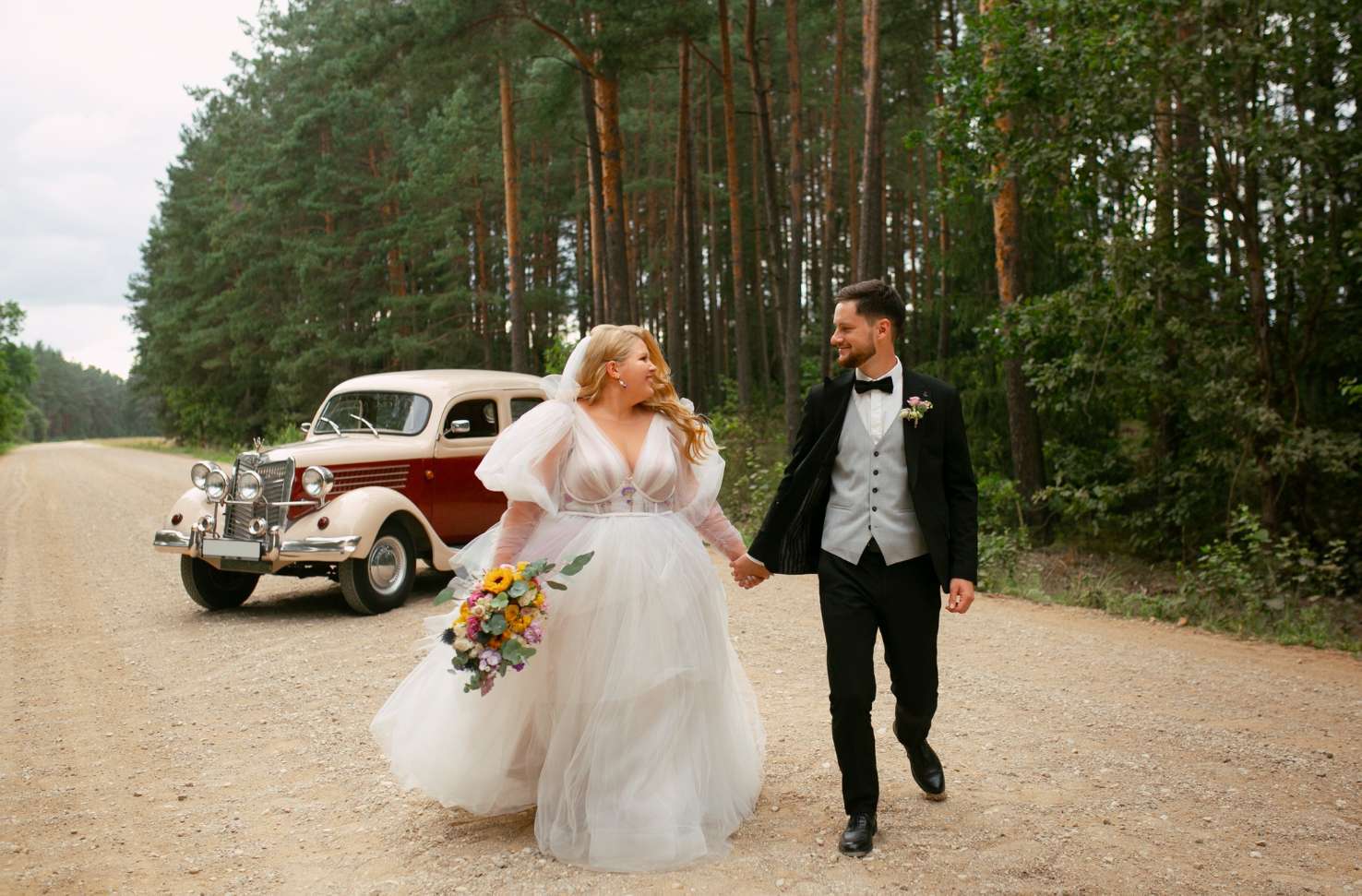
Good construction is not always obvious on the hanger, but you feel it the second you put the dress on. Quality plus size wedding dresses in Australia are built to last a long day, not just a moment in the mirror.
Look for these details:
- Internal boning and corsetry that shapes without digging in
- Stretch lining or stretch lace that allows movement
- Strong closures like zips backed with buttons or corset lacing
- Fully lined skirts to prevent clinging in warm Australian weather
One bridal designer once told me during a fitting, “If the structure is right, the bride stops thinking about the dress and starts enjoying the day.” That line stuck with me because it’s true. When a gown is built properly, you can sit, eat, hug people, and dance without feeling restricted.
Flattering Plus Size Wedding Dress Silhouettes By Body Type
I always remind brides that body type guides are not rules. They are starting points. Two brides can wear the same size but need completely different silhouettes because their proportions, heights, and comfort levels differ. The goal is not to hide your body. It is to create balance, support, and ease of movement so the dress works with you all day.
Apple-Shaped Brides — How To Draw The Eye Up And Lengthen The Torso
Apple-shaped brides usually carry more fullness through the midsection and bust, often with great legs and shoulders. The key here is lift and flow. The silhouettes that work best are:
- Empire line gowns, where the waist sits just under the bust, and the skirt falls softly
- A-line dresses, which skim over the tummy and create a clean vertical line
Necklines matter more than most people realise. A V-neck or scoop neckline opens up the chest and visually lengthens the torso. I’ve seen this transform a bride’s posture in seconds. Sleeves or straps should offer support without cutting in. If the fabric digs into the arm, it will only get worse as the day goes on.
Pear-Shaped Brides — How To Balance Hips Without Losing Shape
Pear-shaped brides often have narrower shoulders, a defined waist, and fuller hips and thighs. Balance is everything here. The most reliable options are:
- Ball gowns, which define the waist and allow the skirt to fall away cleanly
- Structured A-lines, which create shape without clinging
Details on the bodice help pull the eye upward. Off-the-shoulder and square necklines widen the top half just enough to balance the lower body. I once worked with a bride from Bendigo who was convinced a ball gown would “make her look bigger.” Once she tried it on, she didn’t want to take it off. The waist looked sharper, and the skirt did the rest.
Hourglass Brides — Styles That Celebrate Curves Without Pulling
Hourglass figures have a natural balance between the bust and the hips, with a defined waist. The challenge is choosing a dress that hugs without restricting. These silhouettes work best:
- Fit-and-flare gowns, which follow the body and flare out smoothly
- Mermaid or trumpet styles, when the fabric and structure are right
Support is critical here. A sweetheart neckline can look stunning, but only if the internal structure is doing the heavy lifting. Without it, the dress can pull forward or feel uncomfortable after a few hours. When well-designed, these gowns showcase curves without requiring constant adjustment.
Rectangle Body Types — How Dresses Create Curves
Rectangle or straight figures tend to have less definition between the bust, waist, and hips. The aim is to create a shape that feels natural.
Two strong options are:
- Sheath or column dresses, which add length and keep the look clean
- Ball gowns, which build curves through contrast at the waist
Details like belts, pleating, and layered skirts help define the waist. I’ve seen brides who thought they “had no shape” light up once the dress gave them one. The right design does the work, not the body.
Necklines, Sleeves, And Fabrics That Work Best For Curvy Brides
Silhouette gets most of the attention, but in fittings, it is often the smaller details that decide whether a dress feels right or ends up back on the rack. Necklines, sleeves, and fabric choices affect support, comfort, and how confident a bride feels after hours of wear, especially in Australia’s warmer months.
Necklines That Support, Lift, And Frame The Face
A neckline should do more than look pretty. It needs to support the bust and draw the eye upward. The most reliable options for curvy brides are:
- V-necklines, which elongate the torso and create a clean line
- Sweetheart necklines, when paired with proper internal structure
- Square necklines, which offer coverage and strong support
- Off-the-shoulder styles, when the sleeves are structured, not flimsy
Necklines that sit straight across the chest often struggle on fuller busts unless the bodice is very well built. I’ve seen brides spend an entire appointment pulling a dress up, which is a clear sign it will be uncomfortable on the day.
Sleeves That Provide Coverage Without Restriction
Many brides ask for sleeves for comfort, support, or personal style. The mistake is choosing sleeves that look soft but offer no give. The most wearable sleeve options include:
- Illusion sleeves with stretch lace
- Flutter sleeves, which allow airflow and movement
- Wide straps, which distribute weight better than thin ones
Sleeves should never dig into the arm. If they feel tight in the store, they will feel worse after a ceremony, photos, and dinner. A good consultant will always check how a bride can lift her arms, hug someone, and sit down.
Fabric Choices That Move With Your Body
Fabric can make or break a plus-size wedding dress. In Australia’s climate, breathability and movement matter just as much as structure. Fabrics that consistently work well include:
- Stretch lace, which moulds to the body without pulling
- Crepe, which falls cleanly and feels light
- Soft tulle, when layered properly
Heavier satins and stiff fabrics can work, but they need expert construction. Without it, they cling in the wrong places and feel heavy by the end of the night. One summer wedding I worked on in regional Victoria hit the mid-30s. The bride’s stretch-lined gown kept her comfortable while another dress option would have been unbearable.
The Plus Size Bridal Shopping Timeline — What Actually Works In Australia
Timing causes more stress than almost anything else. I’ve seen brides panic because they think they are late, and others who start too early and change their minds halfway through. In Australia, the sweet spot is about planning, not pressure.
When To Start Shopping And Why Rushing Costs More
For most plus-size wedding dresses in Australia, the safest window is 9 to 12 months before the wedding. Custom gowns and made-to-order dresses usually take 6 to 10 months, depending on the designer and time of year. Spring and summer weddings fill production schedules fast.
Here is a simple timeline that works for most brides:
- 12–10 months out: Research designers and book boutique appointments
- 9–7 months out: Order your gown or confirm custom design
- 4–3 months out: First fitting and structural alterations
- 6–4 weeks out: Final fitting and hem adjustments
Leaving things too late often limits fabric choices and increases alteration costs. I’ve seen rush fees added simply because a bride waited until the last minute.
How Bridal Sizing Works (And Why The Number Means Nothing)
Bridal sizing is notorious. Most gowns run two to three sizes smaller than Australian street clothing. A size label can feel confronting, but it has no reflection on your body.
I often tell brides this: if the dress fits and feels good, the number inside does not matter. Consultants work with measurements, not labels. Once brides accept that, fittings become far less emotional and far more productive.
What To Wear To Your Appointment
What you wear to a fitting changes how a dress feels. Bring or wear:
- Seamless nude underwear
- Supportive shapewear that you are comfortable wearing all day
- A strapless or convertible bra, if advised
- Shoes with a similar heel height to your wedding day
Avoid tight shapewear that restricts breathing. If you cannot sit comfortably in the change room, it will not improve on the day.
Budgeting For Plus-Size Wedding Dresses In Australia
Budget conversations can feel uncomfortable, but clarity here saves a lot of heartache. I’ve seen brides fall in love with a gown, only to realise too late that alterations push it well beyond what they planned to spend. Knowing the numbers upfront keeps expectations realistic.
Average Cost Of Plus-Size Wedding Dresses By State
Across Australia, the average spend on a wedding dress is around $2,600, but this varies by location and designer. In my experience, plus-size wedding dresses are not inherently more expensive; construction quality and fabric choice do affect the final price.
Here is a general guide:
| State | Average Dress Cost |
| New South Wales | $2,900 |
| Victoria | $2,800 |
| Queensland | $2,500 |
| Other states | $2,300–$2,600 |
These figures reflect made-to-order gowns from established designers. Custom couture will sit higher.
Alterations — What’s Normal And What’s A Red Flag
Alterations are part of the process, not a failure. For plus-size gowns, typical alteration costs range from $500 to $1,000. This usually covers hemming, bodice shaping, and strap adjustments. Be cautious if:
- Extensive restructuring is needed for the first fitting
- The dress cannot support your bust without major changes
- Seams are pulled apart rather than adjusted cleanly
A well-chosen gown should need refinement, not rebuilding.
How To Stay On Budget Without Sacrificing Fit
A few smart choices can keep costs under control:
- Choose a silhouette that already fits your body shape
- Avoid overly delicate fabrics that are hard to alter
- Ask about alteration estimates before committing
- Leave room in the budget for comfort, not just looks
Confidence Tips Every Curvy Bride Needs Before Saying Yes To The Dress
Confidence does not appear out of nowhere. In fittings, it usually comes when a bride realises the dress is finally working with her body, not against it. Before that happens, most curvy brides walk in carrying the same doubts, even when they don’t say them out loud.
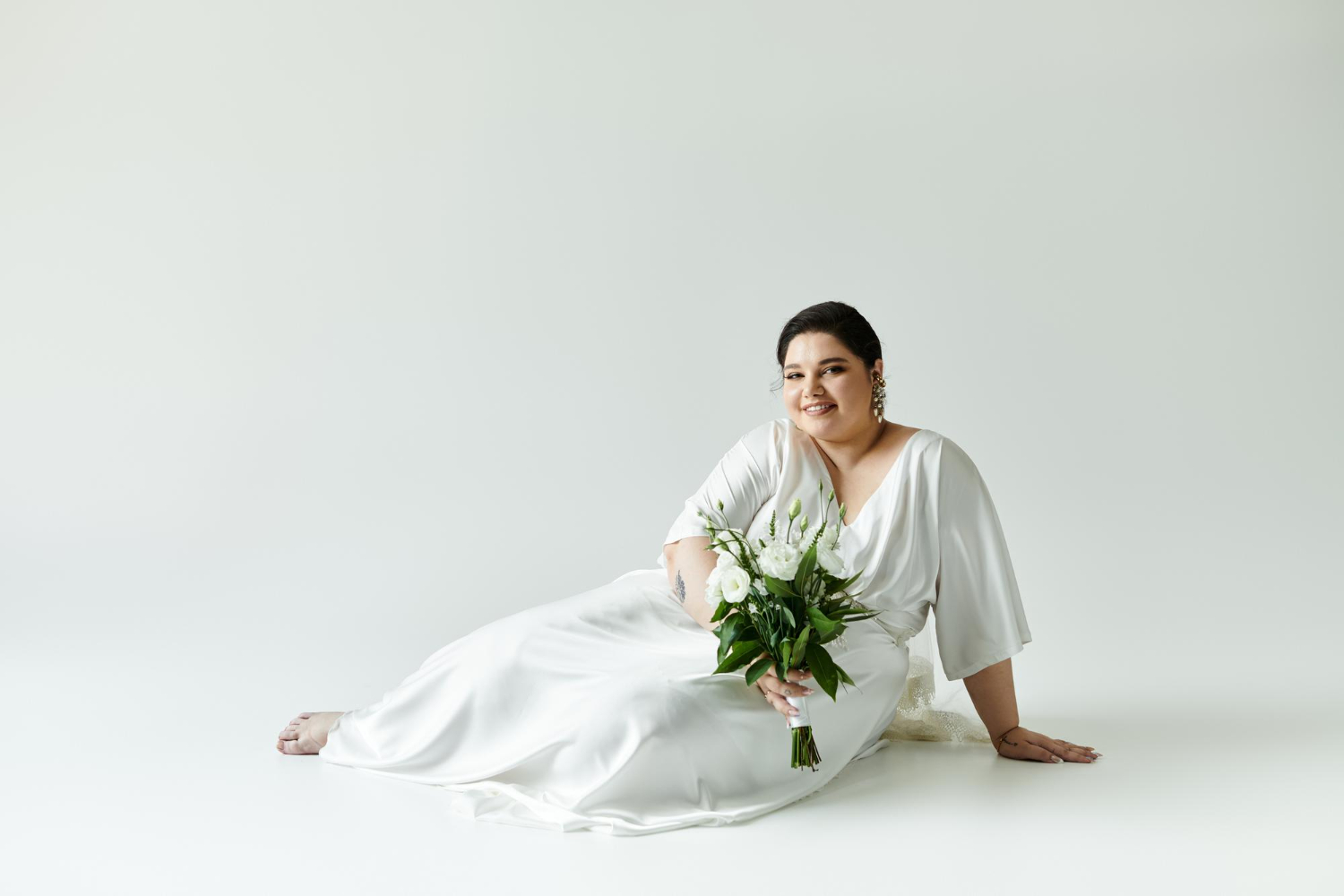
Common Fears I Hear From Plus Size Brides — And The Truth
These concerns come up in almost every appointment:
- “Nothing will fit me.”
In reality, something almost always fits once the right designer and silhouette are in play. Fit issues usually point to the wrong cut, not the wrong body. - “I need to lose weight first.”
Dresses should fit the body you have now. Buying a gown that relies on future weight loss adds stress and often leads to expensive last-minute alterations. - “I don’t look like the brides in the photos.”
Many bridal images feature clipped dresses, perfect lighting, and bodies standing still. Real weddings involve movement, heat, and long hours.
Once brides understand this, their approach changes. They stop apologising for their body and start asking better questions about construction and comfort.
How The Right Dress Changes Posture, Photos, And Presence
I’ve watched this shift happen countless times. A bride steps into a gown with proper structure, and suddenly she stops adjusting it. She stands straighter. She smiles differently. That change shows up in photos more than any trend ever will.
One bride I worked with in Melbourne almost cancelled her appointment after three disappointing fittings elsewhere. When she finally tried a gown designed for curves, she said, “I don’t feel like I need to suck anything in.” That was the dress doing its job.
Plus Size Wedding Guest Dresses Australia — What Works And What Doesn’t
Once the wedding dress is sorted, many women find themselves back in the same position as a guest. Different dress code. Different budget. Same desire to feel comfortable and confident. The good news is that plus-size wedding guest dresses in Australia have improved dramatically over the past few years, especially in formal and semi-formal wear.
Flattering Plus Size Wedding Guest Dresses For Formal Weddings
Formal weddings call for structure, even when the dress looks soft. The most successful styles I see share a few key features. Reliable options include:
- Floor-length maxi dresses with defined waists or wrap fronts
- Structured midis that skim the body rather than cling
- Bias-cut gowns that follow curves without pulling
Support matters just as much as shape. A deep V or square neckline with proper lining will always sit better than a strapless style with no internal support. I’ve watched guests spend entire receptions adjusting their dresses. If you are doing that in the change room, it is a sign to keep looking.
Seasonal Tips For Australian Weddings
Australian weddings do not follow a single climate rule, and that affects fabric choice. For summer weddings, look for:
- Lightweight crepe or stretch chiffon
- Breathable linings
- Sleeves that allow airflow
For autumn and winter weddings, consider:
- Long sleeves with stretch lace
- Heavier crepe or satin blends
- Structured shawls or jackets, rather than flimsy wraps
I’ve seen winter guests shiver through outdoor ceremonies because they chose style over warmth. Comfort shows in photos.
Plus Size Wedding Outfits Beyond Dresses
Dresses are not the only option. More guests are choosing alternatives that still meet formal dress codes. Popular choices include:
- Tailored jumpsuits with wide legs and defined waists
- Two-piece formal sets, such as a structured top with a flowing skirt
- Formal pantsuits designed with softer lines and stretch fabrics
These options work especially well for long events or venues with lots of movement between spaces.
Finding the right plus-size wedding guest dress is not about chasing trends or hiding your shape. It is about choosing pieces that work in real conditions, for real bodies, over a full wedding day. When the cut suits your proportions, the fabric supports movement, and the dress code is respected, everything else feels easier.
I have watched guests relax the moment they stop adjusting their outfits. That comfort shows in photos, posture, and confidence. A well-chosen dress lets you focus on the celebration, not the mirror. That is always the goal.