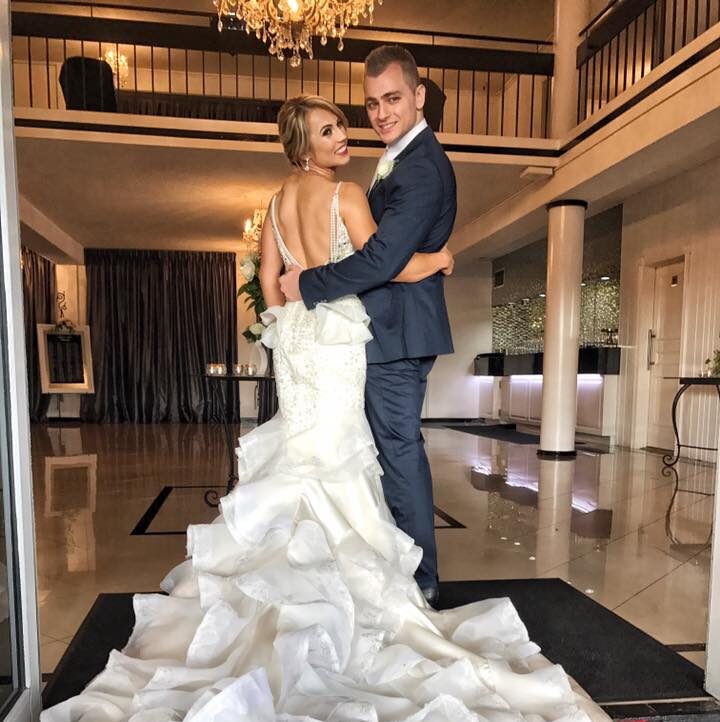
When I toured venues for my own wedding, I quickly learned that a beautiful room and a great sales pitch were only part of the story. One venue had stunning photos but limited parking. Another looked perfect online but felt cramped once I imagined 200 guests inside.
A wedding venue tour gives you the chance to look past the marketing and see how your day will actually unfold. The more prepared you are, the easier it becomes to find a venue that suits your vision, budget and guest experience.
Why a Wedding Venue Tour Matters More Than Most Couples Realise
Many couples begin a wedding venue tour focused on aesthetics. They notice chandeliers, floral arrangements, feature walls and grand entrances. Those details matter, but they only tell part of the story.
The venue you choose will influence almost every major decision that follows. It affects your budget, guest numbers, catering options, styling choices, photography locations and even your wedding timeline.
Over the years, I’ve worked with couples across Melbourne who thought they had found their dream venue after seeing a few social media posts. Then they arrived for the inspection and discovered hidden restrictions, limited supplier access or a layout that simply didn’t work for their plans. That’s why I always encourage couples to approach venue tours with equal parts excitement and practicality.
The Venue Shapes Almost Every Wedding Decision
Think of your venue as the foundation of the entire celebration.
Once the venue is locked in, many other pieces begin to fall into place:
- Wedding date
- Guest capacity
- Catering style
- Entertainment options
- Styling budget
- Photography opportunities
- Ceremony and reception timeline
For example, a ballroom reception venue in Melbourne may comfortably host 250 guests with a large dance floor and formal seated dining. A smaller boutique venue may create a wonderful atmosphere, but it requires you to reduce your guest list significantly.
I once met a couple from the eastern suburbs who had their hearts set on a warehouse-style venue. The industrial look suited their personalities perfectly. The problem? Their guest list grew from 120 to nearly 220 people. Suddenly, the space that felt spacious during their first visit became a logistical headache. They eventually changed venues and saved themselves a great deal of stress.
As the old saying goes, don’t put the cart before the horse. Confirm the venue works for your practical needs before falling in love with the décor.
Looking Beyond the First Impression
A venue tour should help you answer one important question: Can this venue deliver the wedding experience we want? That means looking beyond what appears in marketing photos.
During your inspection, pay attention to:
| Area | What to Check |
| Guest Arrival | Parking, signage, accessibility |
| Reception Room | Capacity, sightlines, dance floor placement |
| Catering | Kitchen facilities, menu flexibility |
| Amenities | Restrooms, bridal suites, lifts |
| Staff | Professionalism and communication |
| Weather Planning | Indoor backup options |
One of the most common mistakes couples make is focusing solely on how the venue looks when empty.
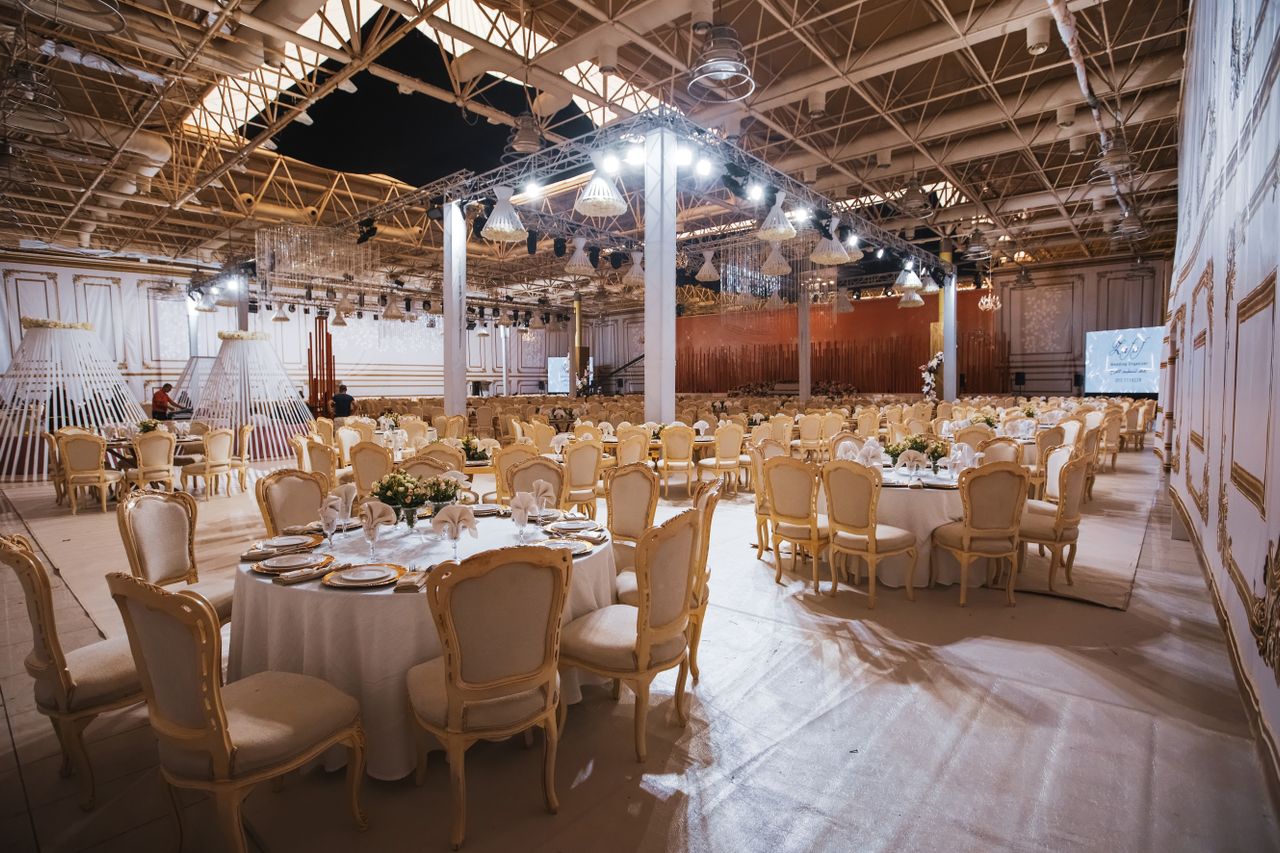
A reception room that looks enormous without tables can feel completely different when set for 180 guests. Likewise, a ceremony space that photographs beautifully on a sunny afternoon may become challenging during Melbourne’s unpredictable weather.
“A venue can look perfect in photos, but your guests experience the details you don’t see on Instagram.”
That’s why a wedding venue inspection checklist is so valuable. It helps you assess the entire experience from your guests’ perspective.
What Your Guests Will Notice That You Might Miss
Guests often remember practical details long after they’ve forgotten the colour of the napkins.
They notice:
- Whether parking was easy
- How quickly they were served
- If speeches were easy to hear
- Whether the room felt comfortable
- How smoothly the night flowed
At Vogue Ballroom, we’ve seen firsthand how these details shape the overall experience. A well-planned venue allows guests to relax and enjoy themselves without thinking about logistics.
When evaluating what to look for at a wedding venue, try walking through the property as if you were one of your guests. Arrive at the entrance. Follow the path into the venue. Visit the restrooms. Look at the room from the back table rather than the bridal table.
That simple exercise often reveals things couples overlook during a standard tour.
A Wedding Venue Tour Is Also an Interview
Many couples spend hours researching venues but forget they’re also choosing a team.
The people conducting your tour may become part of your wedding planning journey for the next 12 to 18 months.

Pay attention to how they communicate.
Are they answering questions clearly?
Do they explain pricing transparently?
Do they seem genuinely interested in your wedding plans?
These early interactions often provide valuable clues about the level of service you’ll receive later.
A beautiful venue is important. An experienced team that keeps your day running smoothly is equally important.
The best venues combine both.
By the end of your tour, you should feel confident about the space itself and the people who will help bring your wedding together.
Before Your Wedding Venue Tour: What to Prepare First
A successful wedding venue tour starts long before you arrive at the venue.
I’ve seen couples walk into inspections with no budget, no guest estimate and no idea what they actually need. By the end of the day, every venue starts looking good, and every package sounds reasonable. That makes comparing options almost impossible.
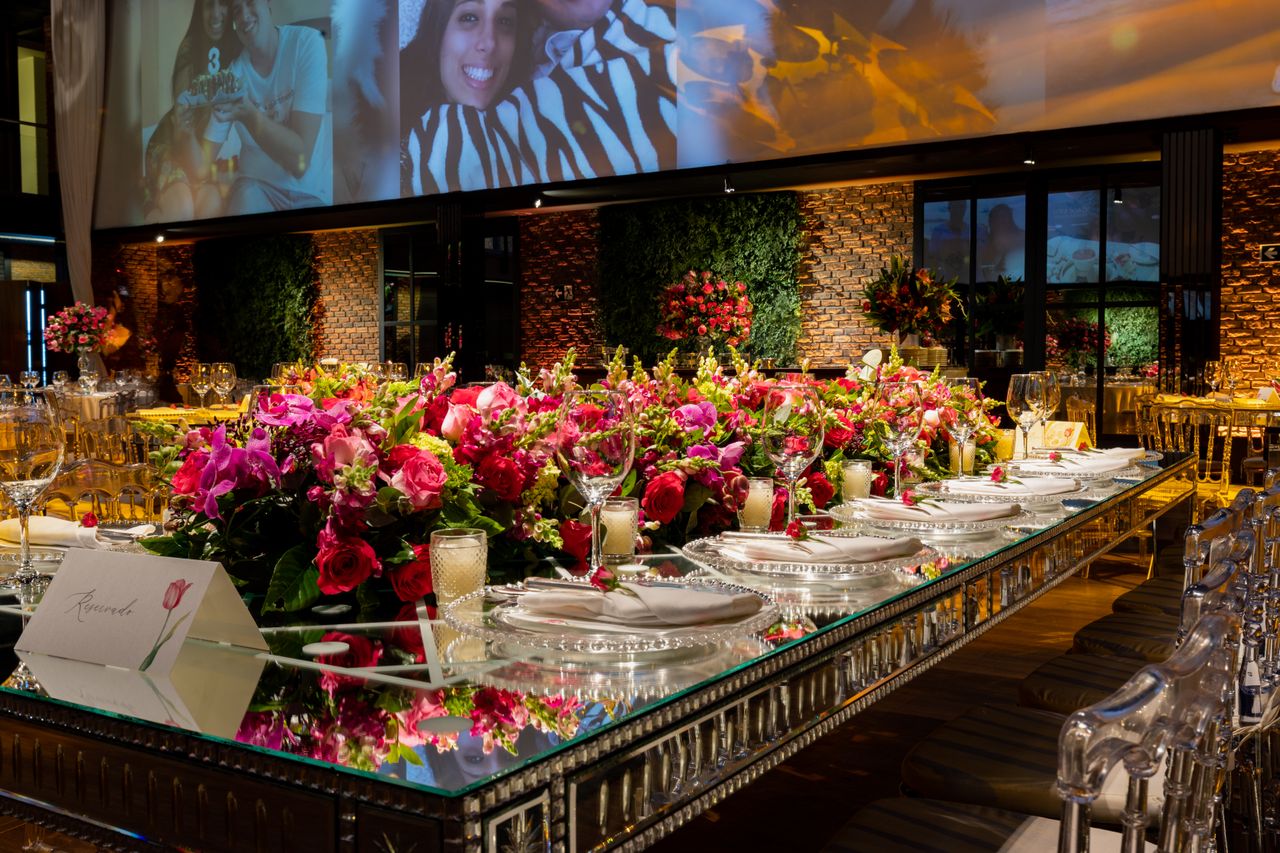
A little preparation helps you ask better questions, compare venues fairly and avoid wasting time on locations that simply don’t fit your plans.
Know Your Guest Numbers, Budget and Preferred Dates
Before booking any inspections, sit down with your partner and agree on three important details:
- Estimated guest count
- Budget range
- Preferred wedding dates or season
You don’t need exact figures, but you do need realistic estimates.
For example, there is a huge difference between planning for 120 guests and planning for 220 guests. Many venues can technically accommodate both numbers, but the experience may be very different.
When discussing capacity, ask venues two separate questions:
- What is your maximum capacity?
- What is your comfortable capacity?
The answers are not always the same.
A room that holds 250 people may feel spacious at 180 guests and crowded at full capacity. This becomes particularly important if you’re planning a large dance floor, entertainment stage or cultural traditions that require additional space.
Budget conversations are equally important.
Create a simple planning framework before you start touring:
| Wedding Planning Factor | Target Figure |
| Estimated Guests | |
| Venue Budget | |
| Catering Budget | |
| Preferred Season | |
| Ideal Wedding Date |
This doesn’t need to be perfect. It simply gives venues enough information to provide relevant recommendations.
Create Your Wedding Venue Inspection Checklist
One of the smartest things you can bring to a wedding venue tour is a wedding venue inspection checklist.
Without one, it’s easy to forget important questions once you’re standing inside a beautiful reception room.
I still remember a couple who spent nearly an hour discussing styling options at a venue. They left impressed and ready to book. Later that evening, they realised they had completely forgotten to ask about parking for elderly relatives.
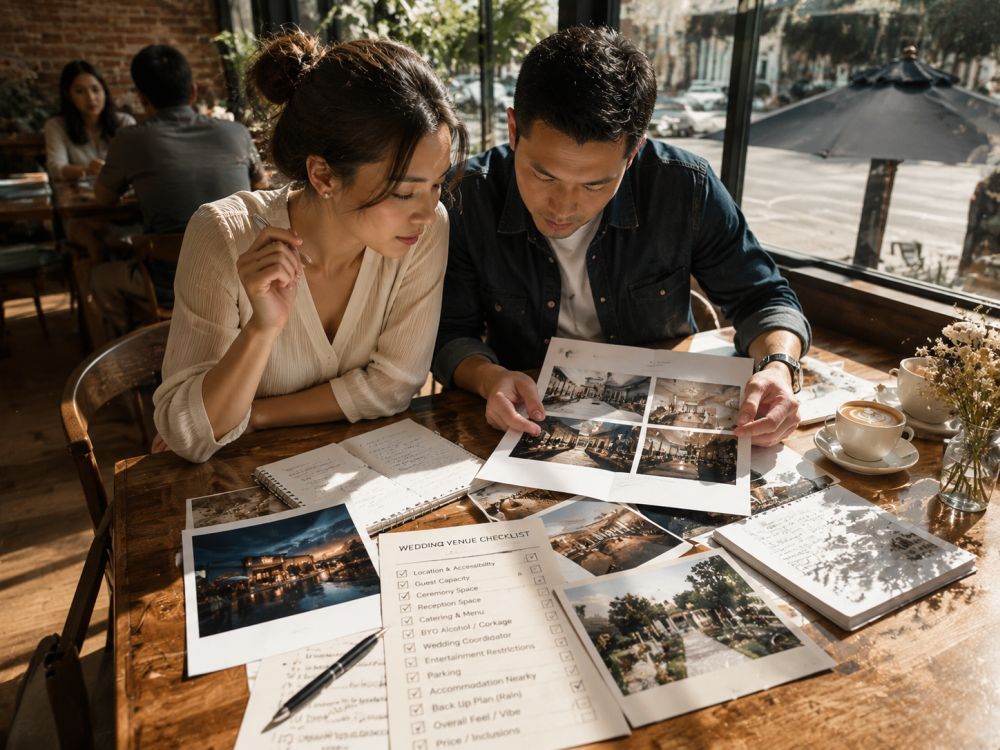
Your checklist should cover both practical and emotional factors.
Wedding Venue Inspection Checklist
Venue Essentials
- Guest capacity
- Parking availability
- Disability access
- Public transport options
- Location convenience
Reception Facilities
- Dance floor size
- Bridal table placement
- Entertainment space
- Audio visual equipment
- Climate control
Food and Beverage
- Menu flexibility
- Dietary requirements
- Beverage packages
- Children’s meals
- Vendor meal options
Planning and Service
- Dedicated coordinator
- Setup and pack down support
- Supplier access
- Wet weather plans
- Security arrangements
Having this list in front of you helps keep the tour focused and productive.
Research Real Weddings Before You Visit
Venue websites showcase their best work. That’s understandable. Every business wants to present itself well.
The real value comes from seeing how a venue performs during actual weddings.
Before your inspection, spend time reviewing:
- Google reviews
- Social media posts
- Wedding blogs
- Supplier portfolios
- Tagged guest photos
Look for consistency. Does the venue look impressive across dozens of real weddings, or only in professional marketing images?
Pay attention to comments about:
- Food quality
- Staff service
- Communication
- Organisation
- Guest experience
At Vogue Ballroom, many couples first discover the venue through guest recommendations or wedding photos from friends. That type of social proof often tells you more than any brochure ever could.
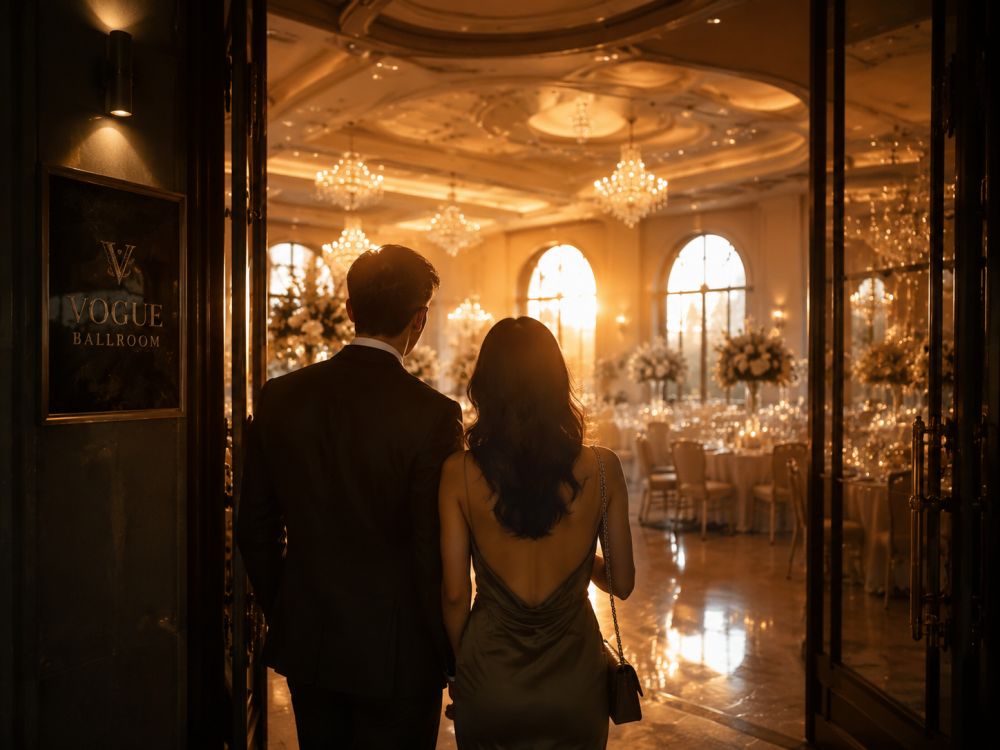
Confirm the Basics Before Scheduling a Visit
Not every venue tour needs to happen in person immediately.
A quick phone call or email can help determine whether a venue is worth visiting.
Before booking your inspection, confirm:
- Availability for your preferred dates
- Approximate pricing
- Guest capacity
- Ceremony options
- Package inclusions
This simple screening process can save hours of travel. Melbourne traffic alone is enough reason to avoid unnecessary venue visits.
If you’re planning a wedding during peak periods such as spring or autumn, availability can change quickly. Popular Saturday dates often book out 12 to 18 months in advance.
That’s why early enquiries matter.
Who Should Attend Your Wedding Venue Tour?
Most couples attend inspections together, but there can be value in bringing one or two additional people.
Good options include:
- Parents contributing financially
- A sibling with wedding planning experience
- A trusted friend with a practical eye for detail
Try to avoid bringing a large group. Too many opinions can muddy the waters.
I once worked with a couple who brought eight family members to a venue inspection. Every person had a different preference. By the end of the tour, the couple felt more confused than when they arrived.
Keep the group small and focus on the people whose opinions genuinely matter.
Book Tours Strategically
If you’re planning to inspect several venues, avoid squeezing too many into one day.
Venue fatigue is real.
After the third or fourth ballroom, details begin to blur together.
A practical schedule looks like this:
| Time | Activity |
| 10:00 am | Venue Tour 1 |
| 12:00 pm | Lunch and discussion |
| 2:00 pm | Venue Tour 2 |
| 4:00 pm | Venue Tour 3 |
Three venues per day is usually the sweet spot. This gives you enough time to ask detailed questions without feeling rushed.
By the time you arrive at your first wedding venue tour, you should already know your budget, guest numbers, priorities and deal breakers. That preparation allows you to focus on what really matters: determining whether the venue can deliver the wedding day you’ve been imagining.
What to Look for at a Wedding Venue During Your Inspection
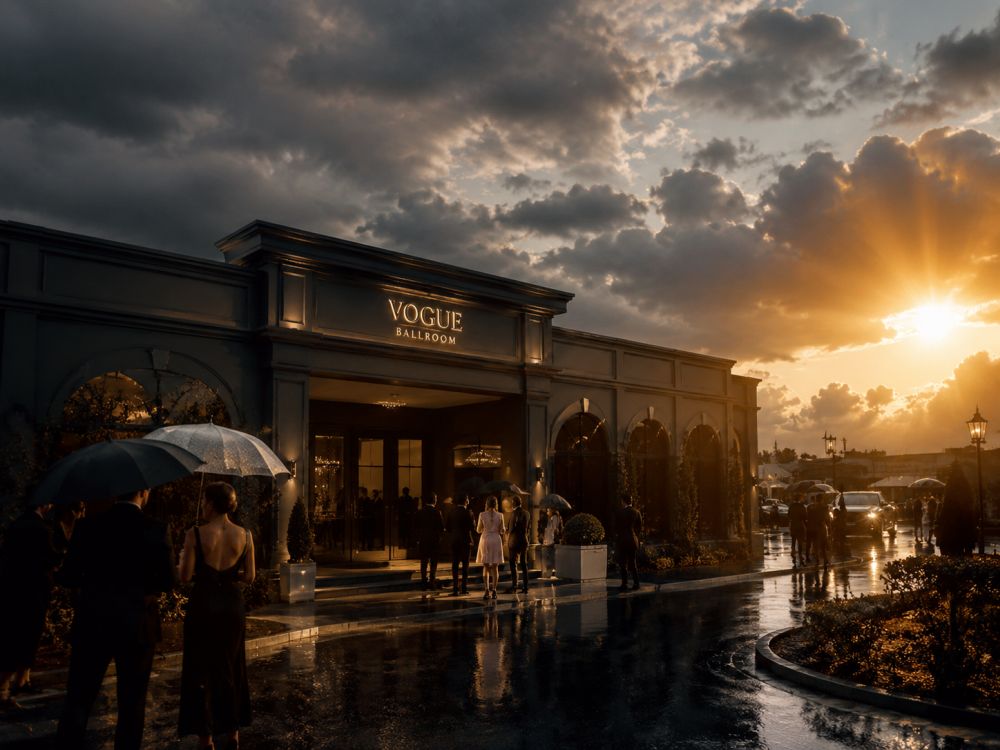
A wedding venue inspection checklist should go far beyond surface-level features. This is your opportunity to inspect the details that will affect guest comfort, supplier performance and the overall atmosphere of the event.
Space, Layout and Guest Comfort
Room capacity is often one of the first things couples discuss. The more important question is whether the space will feel comfortable.
Look at:
- Table spacing
- Dance floor location
- Bridal table placement
- Access between tables
- Visibility of speeches and entertainment
A well-designed reception room should allow guests to move comfortably without constantly squeezing past chairs.
Here’s a simple checklist:
Look for:
- Clear sightlines to the bridal table
- Easy movement between tables
- Adequate dance floor space
- Comfortable seating arrangements
- Space for photographers and videographers
If possible, ask to see photographs of weddings with guest numbers similar to yours. A room set for 150 guests often looks very different from a room set for 250.
Lighting, Ambience and Photography Opportunities
Lighting affects almost every part of your wedding day.
It influences:
- Photography
- Videography
- Guest comfort
- Styling
- Overall atmosphere
Whenever possible, schedule your wedding venue tour around the same time of day as your planned reception or ceremony. This gives you a more accurate understanding of natural light conditions.
In Melbourne, the weather can change quickly. Bright sunshine can become overcast skies within hours.
Ask venue staff:
- What lighting options are available?
- Can lighting levels be adjusted?
- How does the room look during evening events?
- Are there feature areas for photos?
Your photographer will thank you for paying attention to these details early.
Parking, Accessibility and Convenience
Guests often judge their experience before they even enter the reception room.
Parking and accessibility play a major role.
Consider:
| Feature | Why It Matters |
| On-site parking | Convenience for guests |
| Disability access | Inclusive experience |
| Lift access | Multi-level venues |
| Public transport links | Alternative travel options |
| Well-lit exits | Guest safety |
For larger weddings, parking shortages can quickly become a headache.
This is especially true in inner-city Melbourne locations where street parking may be limited or time-restricted.
Bridal Suites and Getting-Ready Areas
Bridal suites are often overlooked during venue inspections. They shouldn’t be. The bridal suite becomes your home base throughout the day.
Check for:
- Natural lighting
- Multiple mirrors
- Comfortable seating
- Air conditioning
- Power outlets
- Private bathroom facilities
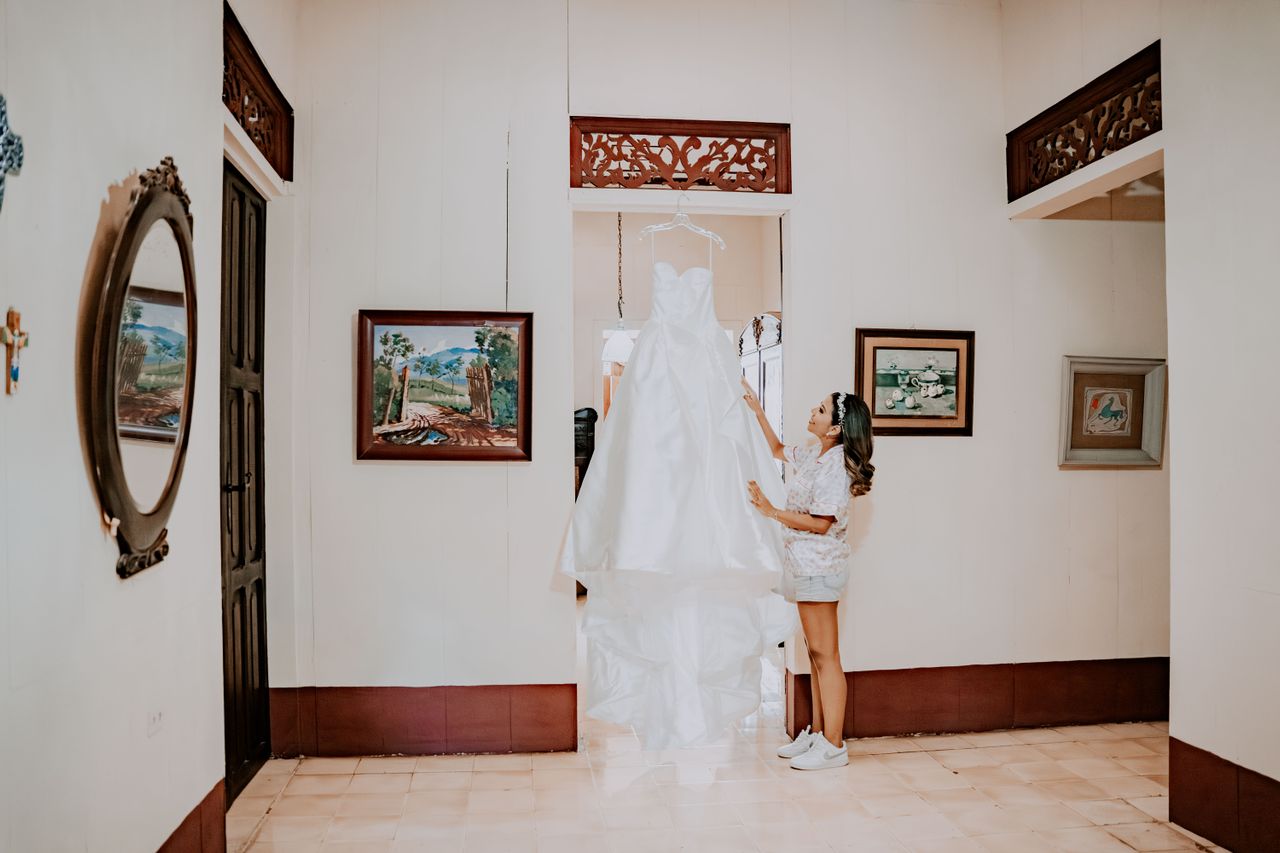
A practical bridal suite helps hair stylists, makeup artists and photographers work efficiently.
I’ve seen bridal parties squeezed into rooms with poor lighting and limited space. It creates unnecessary stress before the celebrations even begin.
The best getting-ready spaces feel calm, comfortable and functional. They allow you to take a breath, gather your thoughts and enjoy the lead-up to one of the biggest days of your life.
Questions to Ask a Wedding Venue Before You Book
Before signing any contract, prepare a list of questions to ask a wedding venue. Clear answers now can prevent surprises later.
Ask about:
- What is included in the package?
- Are there additional service or overtime fees?
- Can we use our own suppliers?
- What wet-weather options are available?
- Who will manage our wedding on the day?
“The people running your wedding are just as important as the room itself.”
Wedding Venue Red Flags You Should Never Ignore
Be cautious if a venue:
- Pressures you to book immediately
- Provides vague pricing
- Avoids direct questions
- Has poor communication
- Cannot clearly explain backup plans
Trust is built long before the wedding day arrives.
The best wedding venue tour helps you see beyond the décor. It shows you how the venue operates, how the team communicates and how your guests will experience the celebration. When comparing venues, use your wedding venue inspection checklist, review your notes immediately and compare options objectively.
A beautiful room may catch your attention. An experienced venue team earns your confidence. When both come together, you’ve likely found the right place to celebrate one of the most important days of your life.