
When I got married at Vogue Ballroom in 2017, I thought choosing a venue was simply about finding a beautiful room and locking in a date. I quickly learnt that the venue decision affects almost every part of the wedding.
It shapes your budget, planning time, supplier choices, and even how relaxed you feel on the day itself. One of the most common questions couples ask me is whether they should choose an all-inclusive wedding venue Melbourne couples love or go down the dry hire wedding venue path instead.
The Venue Decision That Shapes Your Entire Wedding Day
The venue is often the first major booking a couple makes, and for good reason. Once you choose a venue, many other decisions naturally fall into place. Your catering options, styling choices, entertainment setup, guest logistics, and timeline can all be influenced by this single decision.
Over the past two decades, I’ve worked with couples planning weddings across Melbourne’s eastern suburbs, the Yarra Valley, and bayside locations. Some wanted a seamless experience with professional support. Others wanted complete creative control and a blank canvas. Neither approach is wrong, but each comes with its own set of realities.
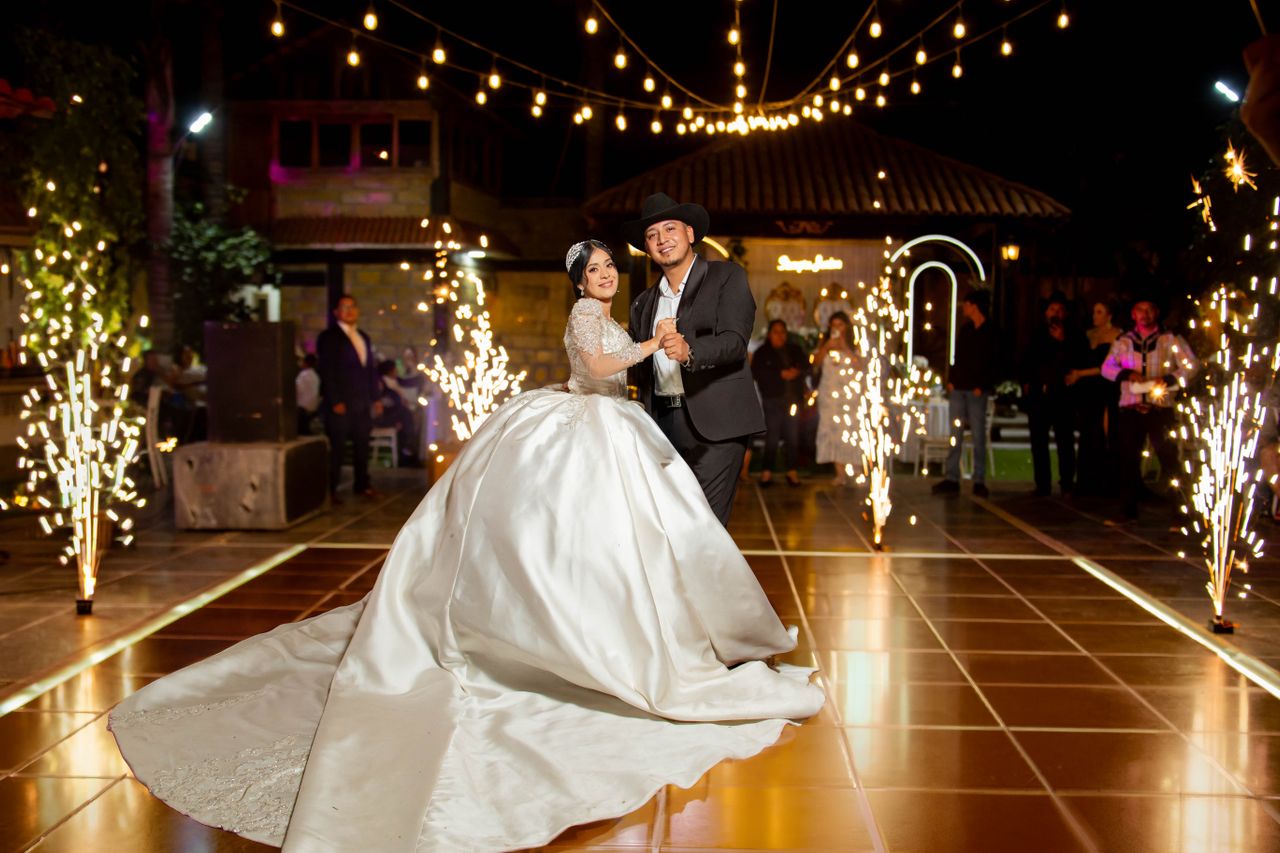
A couple from Ringwood recently shared their dilemma with me. They had narrowed their options to two venues. One offered a complete package with food, drinks, staff, and coordination included. The other was a converted warehouse where they could create anything they imagined. On paper, the warehouse seemed significantly cheaper. Six weeks into gathering quotes, however, the numbers started telling a different story.
Before comparing costs, it’s important to understand exactly what separates these two venue styles.
Why This Choice Matters More Than Most Couples Expect
Many couples focus on the venue hire fee and overlook the bigger picture.
Think of your venue choice as choosing the road you want to travel. One road is clearly signposted with support at every turn. The other gives you complete freedom but requires you to build much of the journey yourself.
The decision affects:
- Your overall budget
- The number of suppliers you manage
- Planning hours required
- Wedding day logistics
- Guest comfort
- Stress levels leading up to the event
For larger weddings, especially those with more than 75 guests, logistics can become surprisingly complex. Coordinating meal service for 150 guests is very different from hosting a backyard gathering of 30 people.
Melbourne’s unpredictable weather adds another layer. I’ve seen beautiful spring mornings turn into windy, rain-filled afternoons within a few hours. Having experienced venue staff who already have wet-weather plans can save a lot of headaches.

What’s Included in a Wedding Venue Package?
One of the first questions couples ask is, “What’s included in a wedding venue package?”
The answer varies between venues, but most all-inclusive wedding venue packages Melbourne couples book include many of the essential elements needed to run the day smoothly.
| Feature | All-Inclusive Venue | Dry-Hire Venue |
| Reception Space | Included | Included |
| Ceremony Space | Often Included | Sometimes Available |
| Catering | Included | Separate Supplier |
| Beverage Package | Included | Separate Supplier |
| Tables & Chairs | Included | Usually Extra |
| Linen | Included | Usually Extra |
| Wait Staff | Included | Separate Hire |
| Venue Coordinator | Included | Usually Not Included |
| Setup & Pack Down | Included | Often Your Responsibility |
At Vogue Ballroom, for example, couples work closely with a dedicated coordinator throughout the planning process. The catering team, service staff, setup crew, and event management team are already in place. That removes dozens of moving parts from the planning process.
Many couples initially see a higher package price and assume they are paying more. In reality, they are often looking at a consolidated figure that already includes expenses they would otherwise source individually.
That’s where the comparison between all-inclusive and dry hire starts to become much more interesting.
All-Inclusive Wedding Venue Melbourne Options: What You Really Get
When couples tour venues for the first time, they often focus on the chandelier, the garden, or the dance floor. Those things matter, of course. Guests remember beautiful spaces. But after helping thousands of couples over the years, I’ve found the real value often sits behind the scenes.
It’s the systems, people, and experience that keep the day running smoothly when things don’t go exactly to plan.
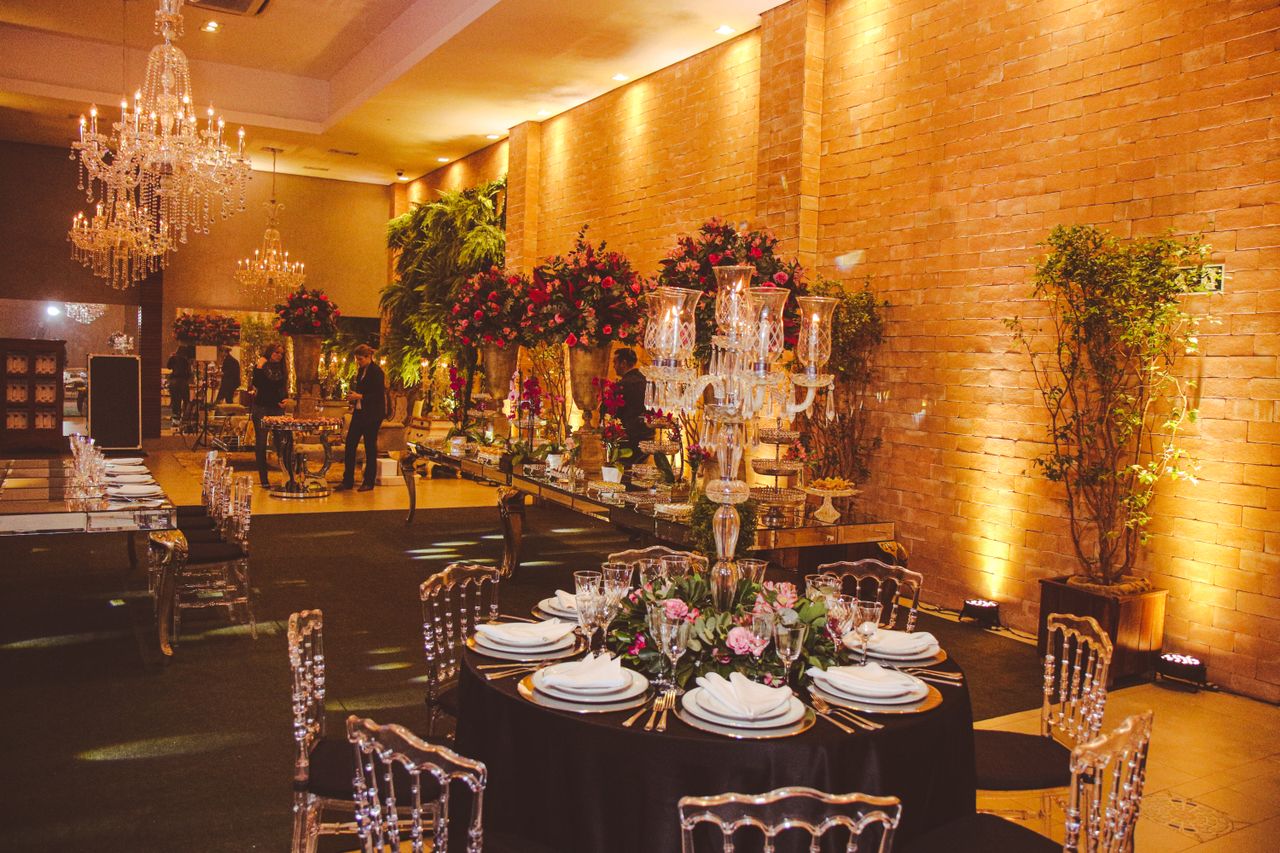
The Biggest Advantages of an All-Inclusive Venue
The biggest benefit of an all-inclusive venue is simplicity.
Instead of managing a long list of suppliers, you work with one team that already knows how to deliver weddings week after week. They understand timing, guest flow, meal service, and how to solve problems quickly.
For busy professionals, this can be worth its weight in gold.
I often meet couples who both work full-time. Between careers, family commitments, and trying to maintain some sort of social life, wedding planning can quickly feel like another job. An all-inclusive venue removes a large portion of that workload.
Here are the five most common reasons couples choose an all-inclusive venue:
- One point of contact throughout planning.
- Clear pricing with fewer surprise costs.
- Professional coordination on the day.
- Established supplier relationships.
- Faster decision-making.
There’s also comfort in knowing your venue team has likely hosted hundreds of weddings before yours. They’ve seen late suppliers, sudden weather changes, power outages, forgotten bouquets, and every other curveball imaginable.
As the saying goes, they’ve been around the block a few times.
A Real Melbourne Wedding Timeline: How an All-Inclusive Venue Simplifies Planning
Let’s look at a typical timeline for a couple booking an all-inclusive venue.
| Timeline | Key Tasks |
| 12–18 Months Before | Book a venue and secure a date |
| 8–10 Months Before | Choose styling direction |
| 6 Months Before | Confirm guest numbers |
| 3–4 Months Before | Attend menu tasting |
| 1 Month Before | Final planning meeting |
| Wedding Week | Confirm final details |
| Wedding Day | The venue team manages operations |
At many Melbourne venues, menu tastings allow couples to finalise food selections while reviewing styling, timelines, and supplier arrangements at the same time. This dramatically reduces the number of separate appointments required.
I remember working with a couple from Glen Waverley who were planning a 220-guest wedding while juggling demanding healthcare careers. They simply didn’t have spare evenings to coordinate 15 different suppliers. By choosing an all-inclusive package, they reduced months of administration into a series of guided meetings.
The result? They spent their engagement enjoying it rather than chasing invoices and contracts.
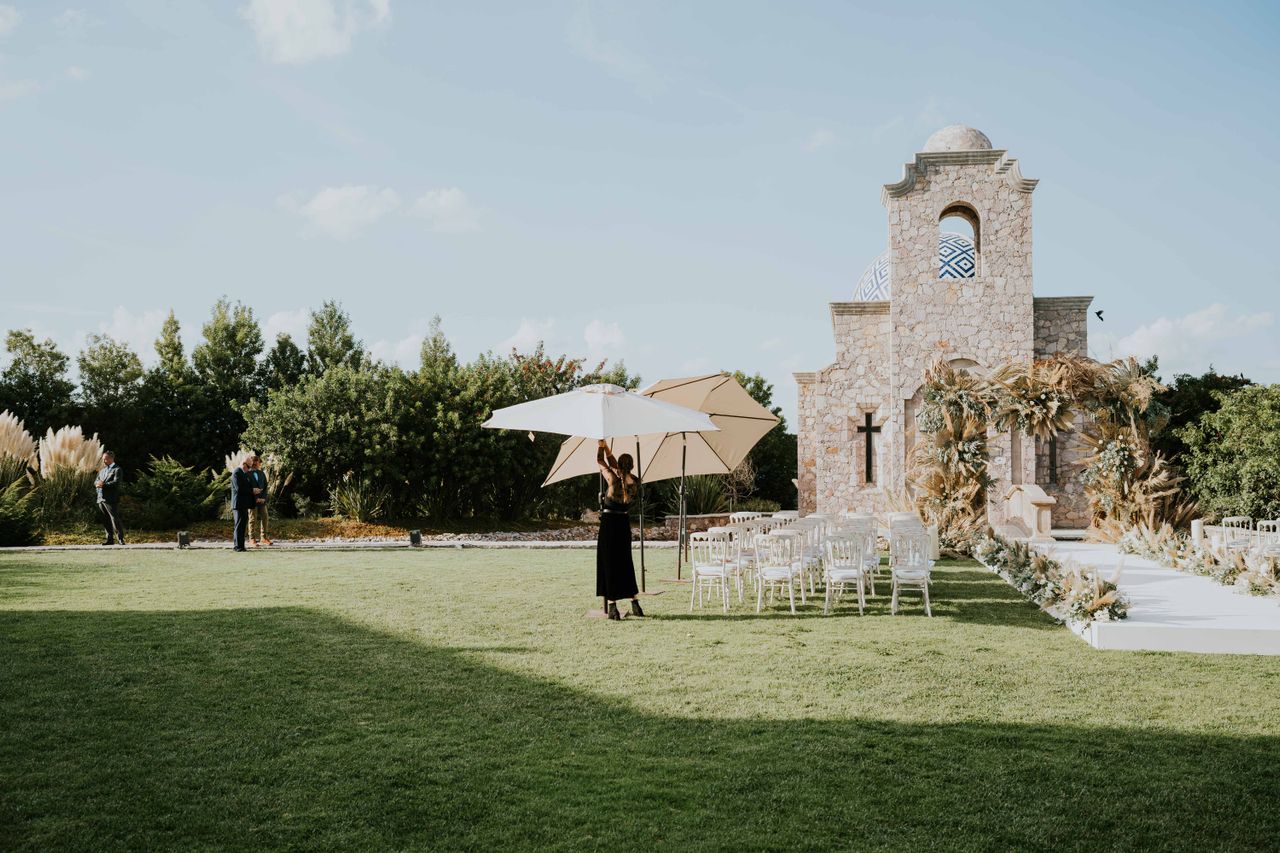
Potential Drawbacks Couples Should Consider
No venue style is perfect for every couple.
All-inclusive venues can sometimes offer less flexibility than dry-hire spaces.
You may encounter:
- Preferred supplier lists
- Set beverage packages
- Fixed catering formats
- Styling limitations in certain areas
That said, many modern venues have become far more flexible than they were a decade ago. Couples can often personalise florals, entertainment, photography, cultural traditions, and styling details while still benefiting from professional venue management.
One of the most common misconceptions I hear is that all-inclusive means cookie-cutter.
In reality, two weddings held at the same venue can look completely different depending on the couple’s choices.
“Many couples think they want unlimited choice until they realise they have to manage and compare twenty different suppliers.”
The trick is finding the balance between flexibility and convenience that suits your personality.
Dry-Hire Wedding Venue Options: Freedom Comes with Responsibility
For some couples, complete freedom is the dream.
A dry-hire wedding venue offers a blank canvas where almost every detail can be customised. There are no standard packages, no fixed menus, and often very few restrictions on how the event comes together.
That level of freedom is exactly why some couples love it.
What Is a Dry-Hire Wedding Venue?
A dry-hire wedding venue generally provides the space and very little else.
Depending on the venue, you may receive:
- Access to the property
- Basic facilities
- Parking
- Power access
- Venue management support
Everything else is usually organised separately.
Common dry-hire venues around Melbourne include:
- Converted warehouses
- Industrial event spaces
- Barn venues
- Private estates
- Art galleries
- Outdoor properties
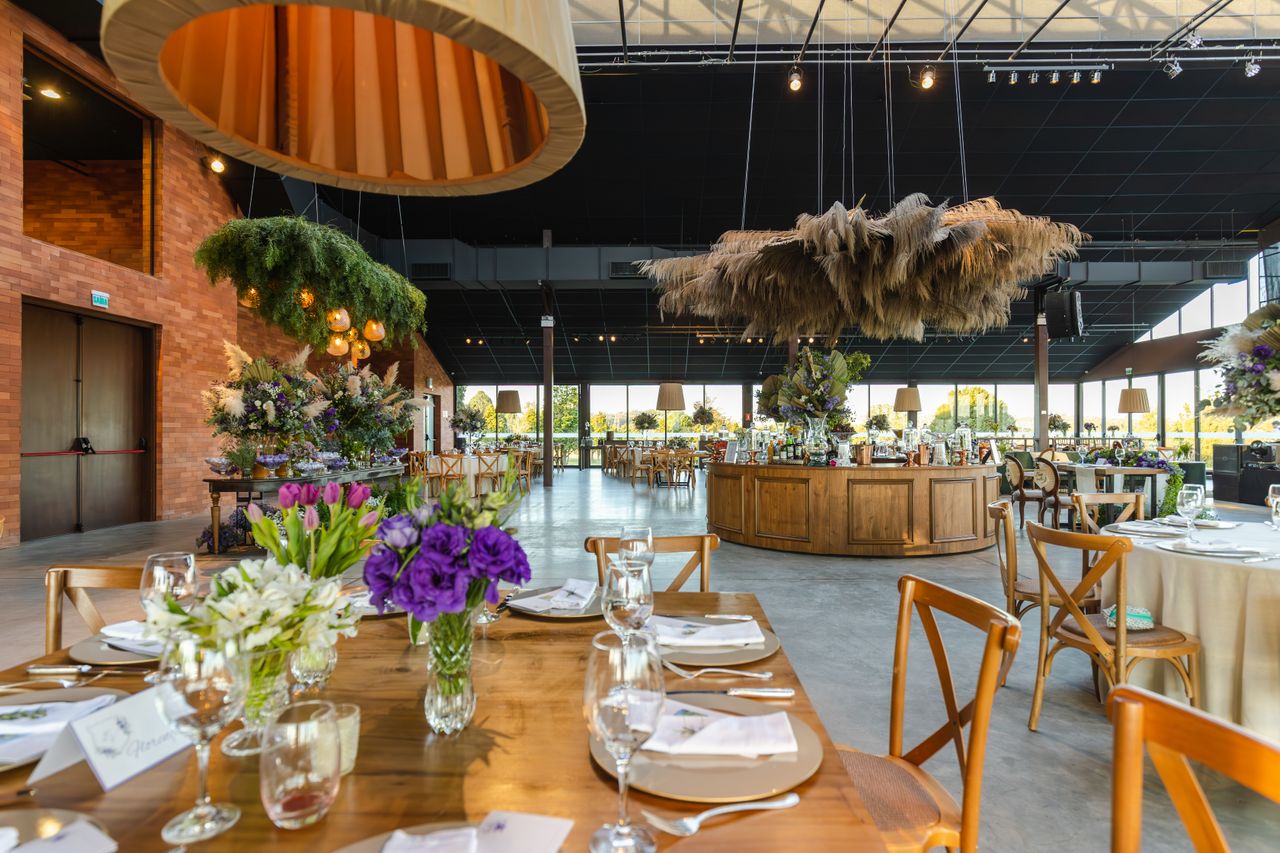
These venues can create spectacular weddings, particularly when couples have a strong creative vision.
A former client once transformed an empty warehouse in Brunswick into a European-inspired reception complete with hanging greenery, custom-built bars, and family-style dining tables. The result was stunning.
It also required months of planning and coordination to bring together.
Why Some Couples Love the DIY Approach
The biggest selling point of a dry-hire wedding venue is control.
You choose the caterer. You choose the furniture. You decide whether your reception looks like a modern cocktail event, a rustic dinner party, or something completely different.
For creative couples, that freedom can be exciting.
Popular elements couples often customise include:
- Catering style
- Bar service
- Furniture selection
- Floor plans
- Lighting design
- Florals
- Entertainment
- Ceremony setup
- Guest experiences
- Late-night food stations
I’ve worked with couples who brought in family recipes for catering, hired specialty coffee carts from local Melbourne roasters, and even built custom ceremony structures by hand.
When done well, these weddings feel deeply personal.
For couples with a very specific vision, dry hire can offer opportunities that traditional venue packages may not.

The Hidden Work Most Couples Underestimate
The challenge is that every decision comes with responsibility. When you book a dry hire wedding venue, you’re effectively becoming the project manager for a large-scale event. Many couples underestimate how many individual components are involved.
A typical dry-hire wedding may require sourcing:
- Caterers
- Beverage suppliers
- Bar staff
- Furniture hire
- Linen hire
- Tableware
- Glassware
- Lighting suppliers
- Stylists
- Florists
- Security staff
- Cleaning crews
- Portable amenities
- Waste management services
Each supplier has separate contracts, payment schedules, insurance requirements, and delivery timelines.
The planning hours can add up quickly.
| Planning Task | All-Inclusive Venue | Dry-Hire Venue |
| Venue Coordination | Included | Self-Managed |
| Supplier Management | Minimal | Extensive |
| Setup Planning | Included | Self-Managed |
| Timeline Creation | Assisted | Self-Managed |
| Estimated Planning Hours | 18–35 Hours | 63–114+ Hours |
I once spoke with a couple who created a shared spreadsheet containing over 40 separate suppliers and contractors. By the end of planning, the spreadsheet was longer than some business project plans.
Their wedding was fantastic, but they openly admitted they would not have realised the workload if they had started from scratch again.
When DIY Planning Starts to Feel Like a Second Job
This is where many couples experience decision fatigue.
Every choice requires research.
Every supplier needs to be reviewed.
Every quote needs to be compared.
Every delivery needs scheduling.
Suddenly, what began as an exciting creative project starts eating into weekends, evenings, and lunch breaks.
I’ve seen this happen most often when couples underestimate setup and pack-down requirements.
Imagine your reception finishes at midnight.
Guests leave.
The celebration ends.
At an all-inclusive venue, staff begin cleaning, packing, and resetting the room.
At many dry-hire venues, those responsibilities fall back onto the couple, family members, or paid contractors.
Nobody wants their parents’ folding chairs at 1 am after spending the day celebrating.
This doesn’t mean dry hire is a poor choice. Far from it. It simply means couples should enter the process with open eyes and realistic expectations.
The Cost Comparison Most Couples Never See
One of the biggest myths in wedding planning is that DIY automatically saves money.
Sometimes it does.
Quite often, it doesn’t.
The issue is that many couples compare a single venue hire fee against an all-inclusive package price. That’s like comparing the cost of a car shell with the cost of a fully assembled vehicle.
The real comparison only becomes clear once every expense is added to the spreadsheet.

Why DIY Weddings Are Not Always Cheaper
Let’s return to the Ringwood couple I mentioned earlier. Their dry-hire warehouse initially looked nearly $8,000 cheaper than the all-inclusive venue they were considering. Once they added catering, staffing, furniture, glassware, delivery fees, cleaning costs, security, insurance, and setup labour, the difference had shrunk dramatically.
In the end, the gap was closer to $2,000.
For many couples, that smaller difference changes the conversation completely.
Instead of asking, “Which is cheaper?”
They start asking, “Which option gives us the most value?”
Hidden Costs That Can Quickly Add Up
Many of the biggest expenses sit outside the original venue quote.
Common hidden costs include:
- Furniture delivery and collection fees
- Linen cleaning charges
- Damage waivers
- Temporary liquor licences
- Security staff
- Waste removal
- Portable toilets for outdoor venues
- Vendor meals
- Overtime charges
- Public liability insurance
Victoria’s regulations around liquor service and event safety can also create additional requirements depending on the venue type and event structure. Couples should always check compliance responsibilities before signing contracts.
The following comparison highlights where costs often emerge.
| Expense | All-Inclusive Venue | Dry-Hire Venue |
| Catering | Included | Additional |
| Furniture | Included | Additional |
| Staffing | Included | Additional |
| Cleanup | Included | Additional |
| Insurance | Often Included | Additional |
| Vendor Coordination | Included | Additional |
Many couples discover these costs gradually rather than all at once. That’s why dry-hire budgets sometimes grow unexpectedly during the planning process.

The Value of Your Time, Energy and Peace of Mind
Wedding budgets usually focus on dollars. What rarely appears on a spreadsheet is the value of your time.
Over the years, I’ve noticed that couples often become laser-focused on saving money while overlooking the hundreds of decisions required to get to the wedding day.
Time has value too.
What Is Your Time Actually Worth?
Imagine both you and your partner work full-time.
You spend your weekdays at work, your weekends inspecting venues, and your evenings replying to suppliers. Before long, wedding planning starts following you everywhere.
A typical all-inclusive wedding might require:
- Venue meetings
- Menu selections
- Styling decisions
- Guest list management
- Final planning appointments
A dry-hire wedding often adds:
- Supplier sourcing
- Contract reviews
- Delivery coordination
- Setup planning
- Insurance arrangements
- Vendor communication
- Pack-down logistics
For some couples, that extra involvement is enjoyable. They genuinely love planning events.
For others, it becomes exhausting.
I often ask couples a simple question: “Would you rather spend your engagement planning a wedding or enjoying being engaged?” There isn’t a wrong answer, but it usually helps clarify priorities.
The Emotional Cost Couples Rarely Budget For
The most overlooked cost isn’t financial. It’s emotional bandwidth.
I’ve seen couples become overwhelmed by the sheer number of moving parts involved in a DIY wedding. Every supplier delay feels personal because they’re responsible for solving it.
Here’s a realistic example.
Two days before a wedding, a florist experiences an unexpected staffing issue and can no longer fulfil the booking. At a dry-hire venue, the couple may need to urgently source a replacement. At an all-inclusive venue, the venue team often has established industry relationships and backup contacts who can step in quickly.
At Vogue Ballroom, trusted supplier networks are a key part of how events stay on track when unexpected situations arise. That’s the kind of support many couples don’t think about until they need it.
Which Option Fits Your Wedding Style?
Every couple values different things. Some prioritise convenience. Others prioritise creative control. The right venue choice often comes down to understanding which camp you naturally fall into.
Choose an All-Inclusive Venue If These Sound Like You
An all-inclusive venue is often the better fit if:
- Your guest list exceeds 75 people.
- You both work full-time.
- You prefer predictable costs.
- You value professional guidance.
- You want fewer moving parts.
- You’d rather celebrate than coordinate.
You’re Probably an All-Inclusive Couple If…
- You dislike managing multiple suppliers.
- You want one clear point of contact.
- You prefer a structured planning process.
- You want experienced professionals handling logistics.
- You value peace of mind on the wedding day.
Choose a Dry-Hire Venue If These Sound Like You
A dry-hire venue may suit you better if:
- You have a smaller guest list.
- You enjoy event planning.
- You have industry experience.
- You have a highly specific vision.
- You want complete supplier freedom.
You’re Probably a Dry-Hire Couple If…
- You love researching and comparing options.
- You enjoy project management.
- You want complete creative freedom.
- You already know which suppliers you want.
- You don’t mind investing significant planning time.
The Growing Popularity of Hybrid Wedding Venue Packages Melbourne Couples Love
Interestingly, many couples now choose something between the two extremes.
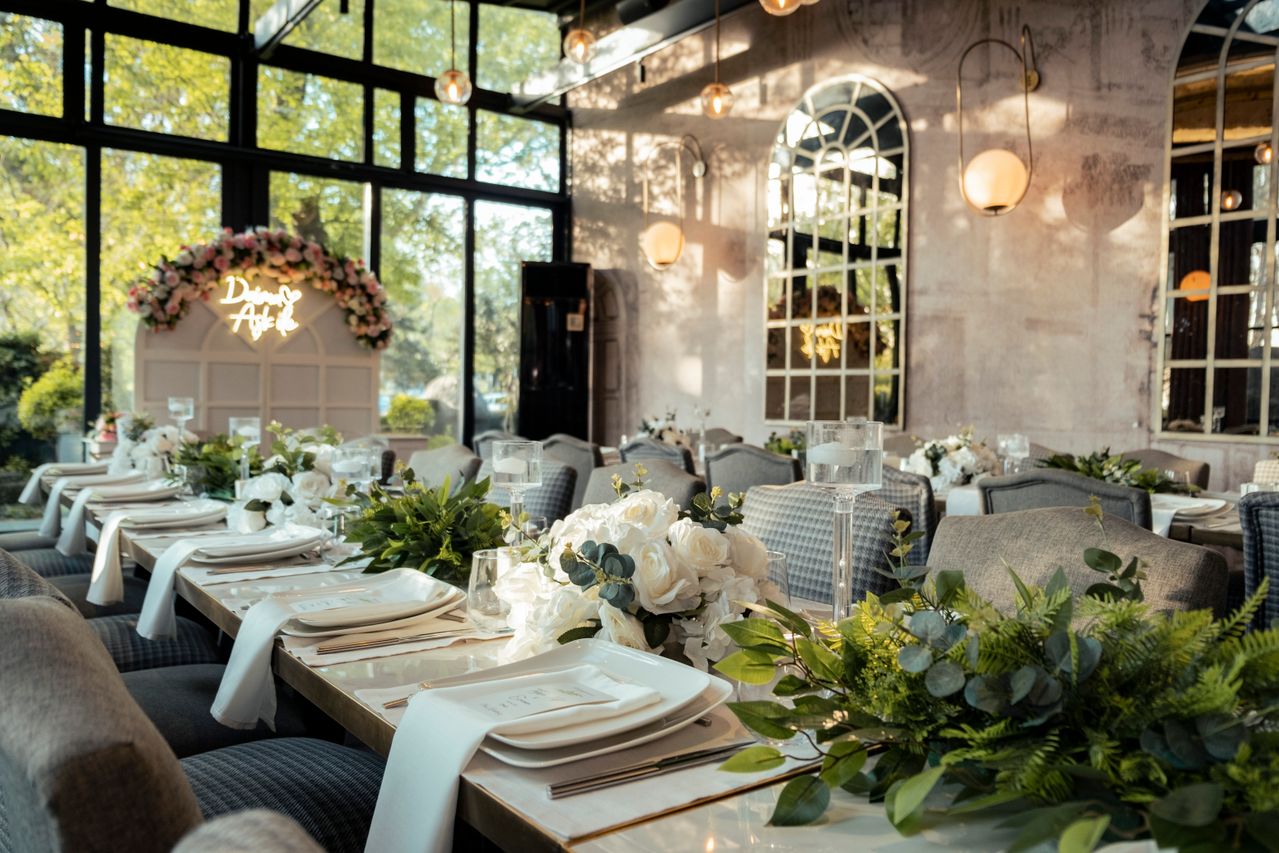
Hybrid venues have become increasingly popular across Melbourne because they combine convenience with flexibility.
The Best of Both Worlds
A hybrid venue generally provides the most complex elements of the wedding while leaving room for personalisation.
This often includes:
- Catering
- Beverage service
- Furniture
- Staffing
- Venue coordination
While allowing flexibility with:
- Florists
- Entertainment
- Photography
- Styling
- Cultural traditions
Many couples find this approach strikes a happy medium. They receive professional support where it matters most while still putting their personal stamp on the celebration.
Why Hybrid Packages Are Becoming More Common
Modern couples want flexibility, but they don’t necessarily want the responsibility that comes with coordinating every detail themselves. That’s why many wedding venue packages Melbourne couples choose today have evolved significantly.
Venues have recognised that couples want customisation without feeling like they’re running a major event company. The result is a more flexible planning experience that still provides the support many couples need.