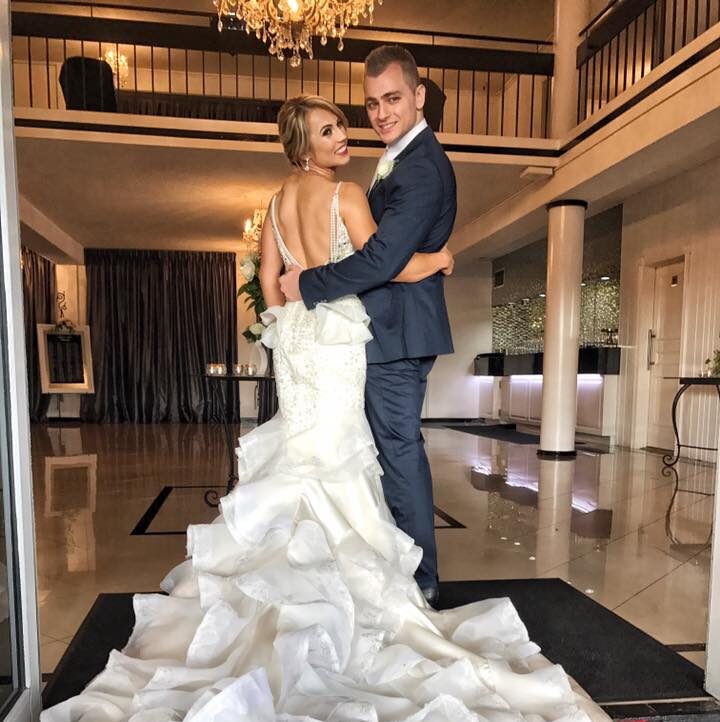
When I got married at Vogue Ballroom, I thought choosing a wedding date would be one of the easiest decisions we made. I was wrong. Between Melbourne’s unpredictable weather, venue availability, family schedules and budget considerations, the date quickly became one of the most important choices in the entire planning process.
Over the years, I’ve helped countless couples weigh up peak and off-peak wedding dates in Melbourne, and the right answer is rarely the same for everyone. Your perfect date depends on your priorities, your budget and the type of celebration you want to create.
Why Your Wedding Date Impacts More Than Just the Weather
Many couples start by looking at the weather forecast. That makes sense. Nobody dreams of rain interrupting an outdoor ceremony or guests sweating through a January heatwave.
The reality is that your wedding date affects almost every part of your celebration.
It influences:
- Venue pricing
- Vendor availability
- Photography opportunities
- Guest attendance
- Accommodation costs
- Honeymoon planning
- Overall wedding budget
I’ve seen couples save thousands simply by shifting their wedding from a Saturday in October to a Friday in July. I’ve also seen couples happily pay peak-season rates because they wanted spring blossoms and an outdoor ceremony.
There is no right or wrong answer. It’s about understanding the trade-offs before signing contracts. As we often say in Melbourne, if you don’t like the weather, wait ten minutes. That saying exists for a reason.
Melbourne’s climate can produce sunshine, wind and rain all in the same afternoon. Whether you choose peak or off-peak wedding dates, Melbourne couples favour having a backup plan, which is never optional.
“A beautiful wedding isn’t created by the season alone. It’s created by good planning, realistic expectations and a venue that can adapt when conditions change.”
Before comparing costs and availability, it helps to understand how wedding season in Victoria typically unfolds throughout the year.
Wedding Season Victoria: When Most Melbourne Couples Choose To Marry
Spring Weddings: Melbourne’s Most Competitive Wedding Season
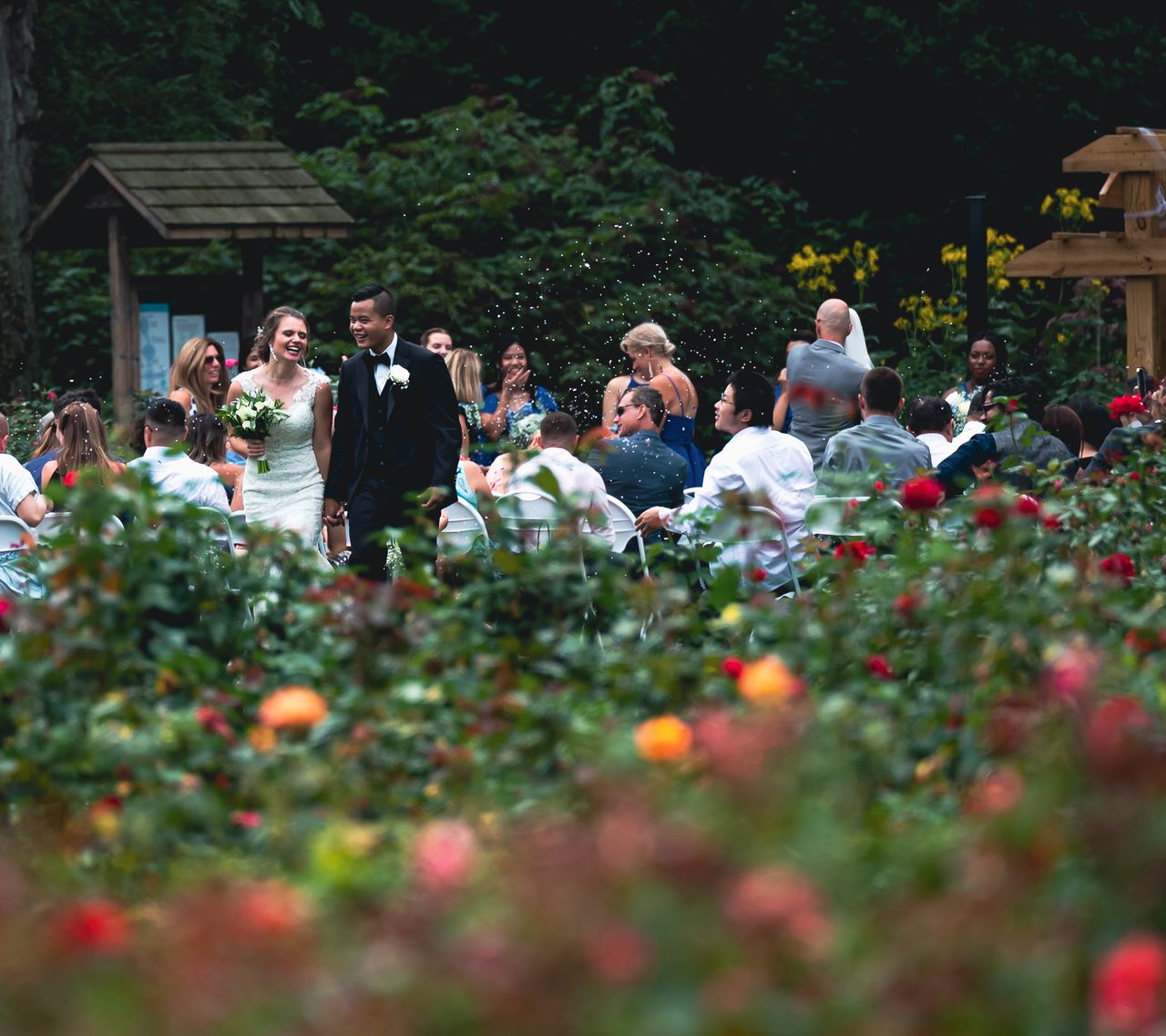
Spring, particularly October and November, remains the most popular wedding season Victoria has to offer.
Every year, I see enquiry levels surge as soon as couples begin looking at spring dates. It’s easy to understand why.
Temperatures generally sit between 12°C and 22°C. Gardens come alive with colour. The days become longer, giving photographers more flexibility. Popular flowers such as peonies, tulips and wisteria are also readily available.
For outdoor ceremonies, spring often feels like the sweet spot.
A couple I worked with from Ringwood booked their October wedding nearly 18 months in advance. By the time they secured their venue, several preferred photographers had already been booked for their date.
That’s the reality of spring demand.
Some of the biggest advantages include:
- Comfortable temperatures for guests.
- Longer daylight hours.
- Beautiful garden photography.
- Strong availability of seasonal flowers.
- Pleasant conditions for outdoor ceremonies.
Of course, spring isn’t perfect.
Melbourne’s reputation for surprise rain showers is well earned. I’ve attended ceremonies where guests arrived in sunglasses and reached for umbrellas thirty minutes later.
Major events can also affect planning. The Melbourne Cup Carnival brings visitors into the city, increasing accommodation costs and creating extra traffic across parts of Melbourne.
For couples considering a spring wedding, booking early is essential.
| Spring Wedding Factor | What To Expect |
| Demand | Very High |
| Venue Pricing | Premium |
| Vendor Availability | Competitive |
| Weather Stability | Moderate |
| Photography Conditions | Excellent |
Autumn Weddings: The Safe Bet Many Couples Overlook
If I had to nominate a season that consistently impresses couples, it would be autumn.
March and April combine comfortable temperatures with some of Melbourne’s most reliable weather conditions. Many wedding professionals quietly consider autumn the safest bet of the year.
The Yarra Valley becomes particularly stunning during this period. Golden vines, softer afternoon light and mild temperatures create beautiful conditions for both ceremonies and photography.
One couple I advised originally wanted a March Saturday wedding. When they discovered how quickly premium dates were disappearing, they shifted to late April. They secured their preferred photographer, saved money on accommodation for interstate guests and still enjoyed perfect weather.
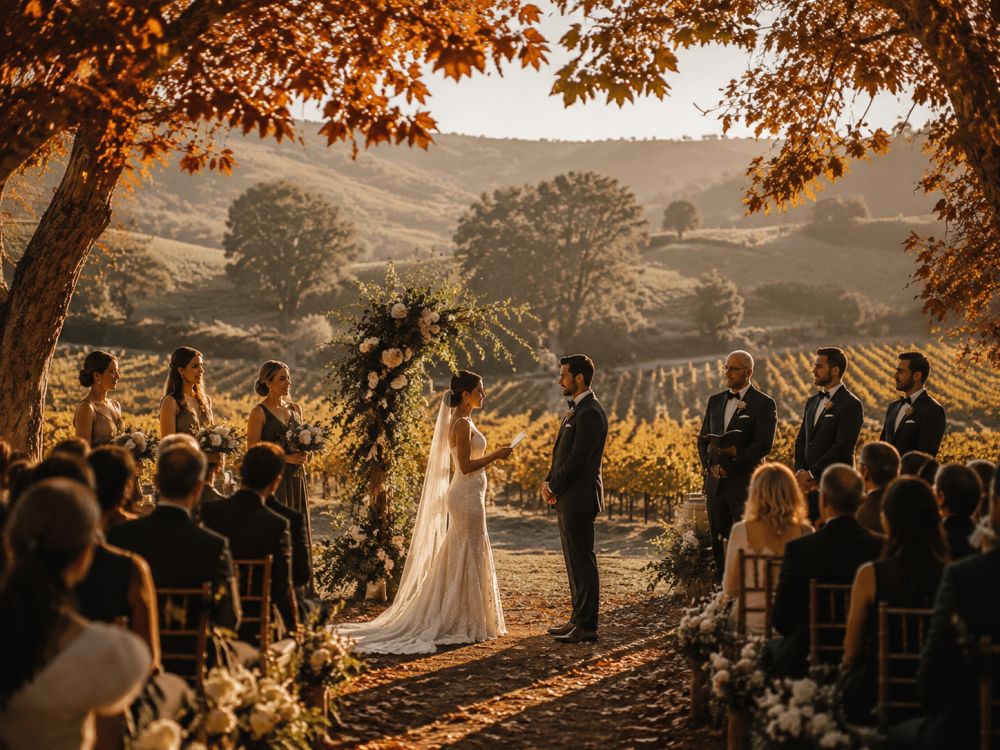
Autumn temperatures typically range between 15°C and 25°C.
The benefits include:
- More predictable weather patterns.
- Comfortable guest conditions.
- Stunning autumn colours.
- Strong outdoor ceremony options.
- Excellent photography light.
The downside is simple.
Everyone else knows autumn is fantastic too.
March is often one of the busiest months on the Melbourne wedding calendar. Popular venues can fill well over a year in advance, especially for Saturday evenings.
For couples considering autumn, acting early can mean the difference between securing your first choice and settling for your third.
Summer Weddings: Beautiful Evenings With Heatwave Risks
Summer weddings divide opinion in Melbourne.
Some couples absolutely love them. Others avoid them altogether.
I’ve attended waterfront weddings on the Mornington Peninsula in January where guests enjoyed sunset drinks overlooking the bay. I’ve also attended ceremonies where the temperature pushed past 38°C, and everyone spent the afternoon searching for shade.
Summer can be wonderful when conditions cooperate.
Long daylight hours create flexibility for ceremonies, photography and outdoor receptions. The relaxed atmosphere also suits couples who want a less formal celebration.
Benefits of a summer wedding include:
- Extended daylight hours.
- Warm evenings for outdoor receptions.
- Excellent beach wedding opportunities.
- Strong availability of seasonal produce.
- Holiday atmosphere for guests travelling from interstate.
The challenge is Melbourne’s heat.
Extreme temperatures can affect:
- Guest comfort.
- Makeup longevity.
- Floral arrangements.
- Wedding cakes.
- Outdoor entertainment.
- Photography schedules.
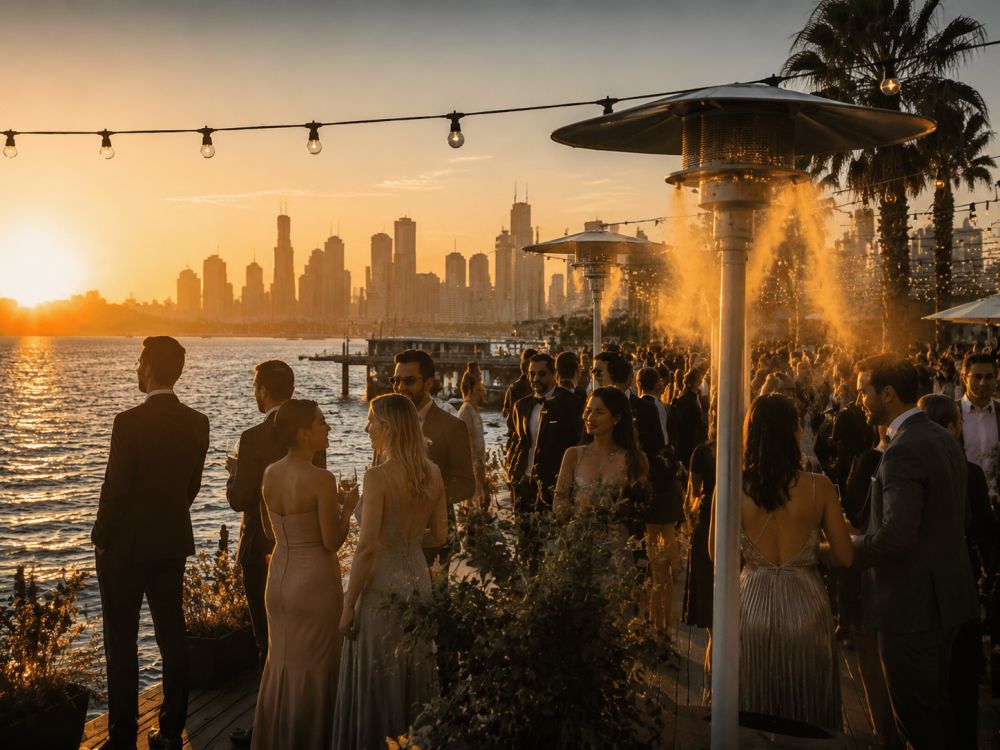
I remember a couple who planned a beautiful outdoor ceremony in February. The forecast originally predicted 28°C. By wedding week, it had climbed to 40°C. Fortunately, their venue had an indoor backup option ready to go.
That decision saved the day.
Summer Wedding Survival Checklist
Before committing to a summer wedding date, make sure you have:
- A shaded ceremony location.
- Plenty of cold drinking water.
- Indoor air-conditioned reception facilities.
- Sunscreen available for guests.
- Flexible photography locations.
- A wet-weather and heatwave contingency plan.
December can also be expensive due to Christmas functions, corporate events and holiday demand. Accommodation prices often increase, particularly for guests travelling into Melbourne.
Off-Peak Wedding Dates Melbourne Couples Should Consider
Why Winter Offers Some Of The Biggest Wedding Savings
When couples ask me about the cheapest time to get married in Melbourne, winter is usually where the conversation starts.
June, July and August are considered Melbourne’s primary off-peak wedding period.
Only a small percentage of couples choose winter weddings compared with spring and autumn. As a result, venues and suppliers often have greater availability.
That creates opportunities. Instead of competing with dozens of couples for the same Saturday date, you may find your preferred venue, photographer and celebrant all available. Many couples are surprised by how elegant winter weddings can feel.
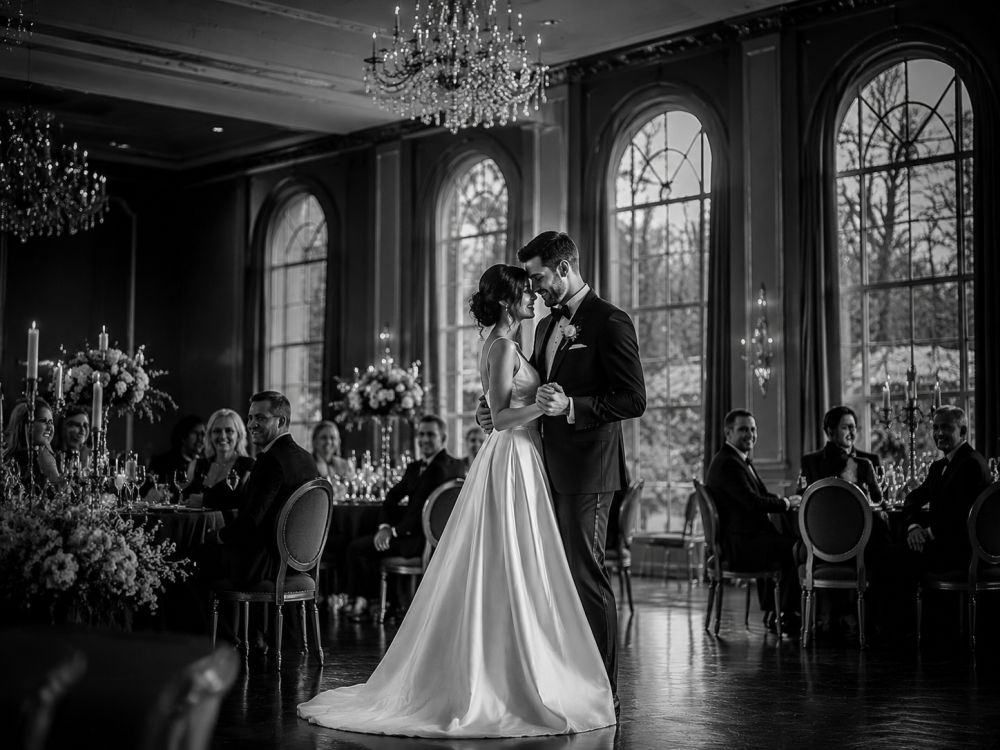
At Vogue Ballroom, winter receptions often create a completely different atmosphere. Guests arrive from the cold into a warm ballroom filled with candlelight, music and anticipation. There is something undeniably romantic about it.
One bride told me afterwards that the weather outside made the celebration inside feel even more special.
How Much Can Couples Potentially Save During Off-Peak Months?
Every venue structures pricing differently, but off-peak periods often present opportunities to receive better value.
That may include:
- Reduced venue hire fees.
- Additional inclusions.
- Package upgrades.
- Greater flexibility with minimum guest numbers.
- Easier access to premium suppliers.
The savings become even more noticeable when combined with a Friday or Sunday wedding.
I’ve seen couples achieve significant savings simply by avoiding a peak-season Saturday.
| Factor | Peak Season | Off-Peak Season |
| Venue Availability | Limited | High |
| Vendor Availability | Competitive | Flexible |
| Pricing | Premium | Often Reduced |
| Booking Pressure | High | Lower |
| Date Flexibility | Limited | Greater |
The goal shouldn’t be finding the cheapest wedding possible. The goal should be to find the best value for your priorities.
The Unexpected Benefits Of A Winter Wedding
Many couples focus on what winter lacks rather than what it offers. That’s a mistake. Some of the most memorable weddings I’ve attended have taken place during winter.
The lighting often creates dramatic photographs. Formal attire feels more comfortable. Guests spend more time socialising indoors rather than drifting outside.
Winter weddings also encourage a cosy atmosphere that can be difficult to recreate during warmer months.
A few unexpected advantages include:
- More intimate guest experiences.
- Richer styling opportunities with candles and warm tones.
- Comfortable conditions for formal clothing.
- Easier vendor bookings.
- Strong value for money.
Of course, shorter daylight hours require careful planning. Most winter couples schedule their ceremony earlier in the afternoon to maximise natural light for photography. That small adjustment can make a significant difference to your final wedding album.
The Best Month To Get Married In Australia Depends On Your Priorities
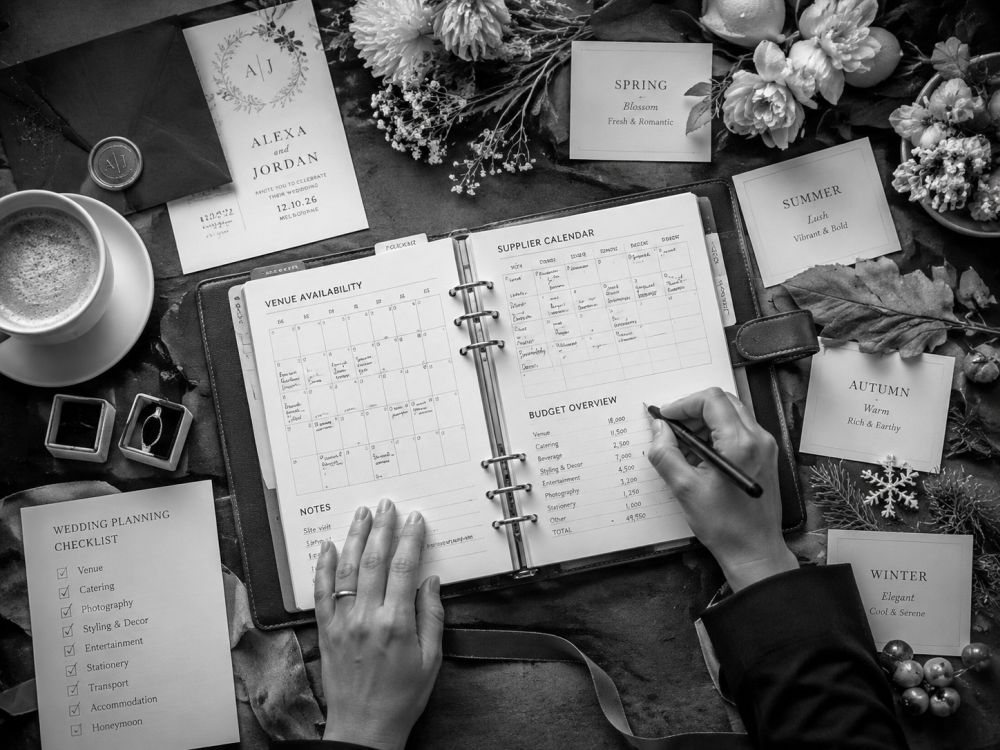
Best Month For Budget-Conscious Couples
There is no single answer to the question, “What is the best month to get married in Australia?” The answer depends on what matters most to you. If budget is your biggest priority, winter months usually provide the strongest value.
July is often the quietest month on Melbourne’s wedding calendar. Fewer couples compete for dates, suppliers have greater availability, and venues may offer additional flexibility. That doesn’t mean you should automatically choose the cheapest date available.
I always encourage couples to look at the bigger picture.
For example, a discounted July wedding may save money on venue costs, but if half your guests are travelling from interstate and facing winter flight disruptions, those savings may come with other challenges.
A balanced approach usually delivers the best outcome.
Best Month For Outdoor Ceremonies
For couples dreaming of an outdoor ceremony, October, November, March and April remain the strongest contenders.
These months generally offer:
- Comfortable temperatures.
- Pleasant photography conditions.
- Longer daylight hours.
- Lower risk of extreme heat.
That said, Melbourne always likes to keep couples guessing.
I remember one April wedding where the forecast predicted sunshine all week. Twenty minutes before the ceremony, a brief shower rolled through. Fortunately, the couple had planned ahead and moved guests under cover until it passed.
The ceremony started fifteen minutes late, and nobody cared.
That experience reinforced an important lesson: “The best wedding plans include a backup plan.”
Best Month For Vendor Choice And Flexibility
If securing your dream team is important, off-peak and shoulder-season dates can offer a major advantage. Popular photographers, celebrants and entertainment providers often book peak-season Saturdays more than a year ahead.
Winter and shoulder months provide more options. Imagine you’re planning an engagement in January and hoping to marry the same year.
Finding an October Saturday with your preferred venue, photographer, and band may be difficult. Finding a July Friday or August Sunday? Much more achievable.
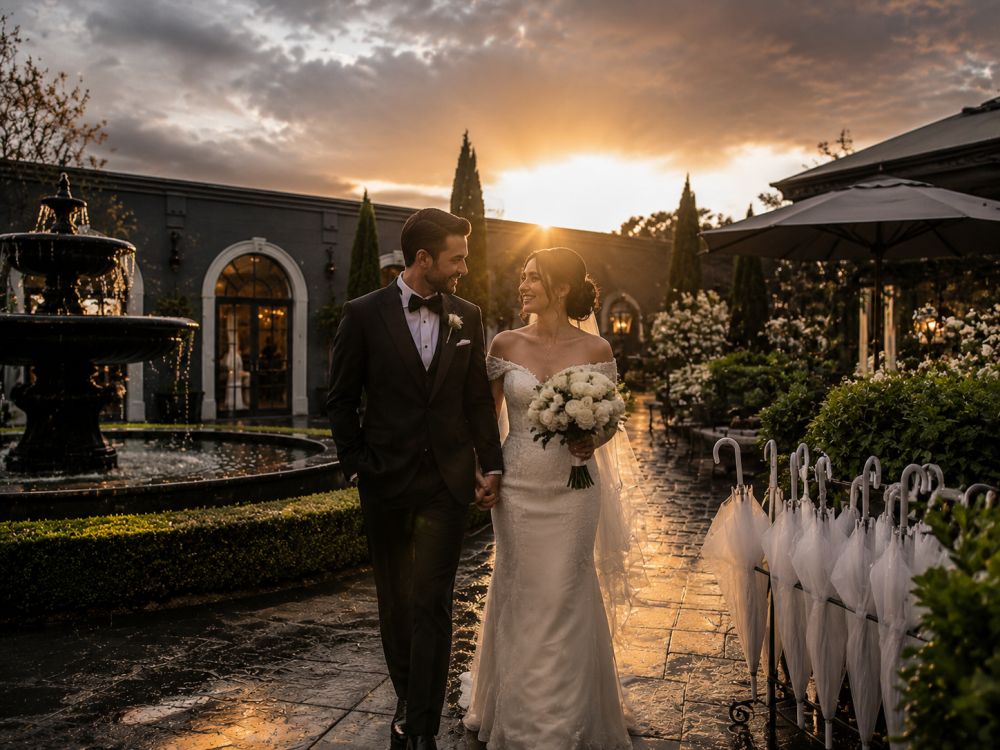
Best Month For Guest Attendance
Guest convenience is often overlooked until invitations go out.
Before locking in your date, consider:
- School holidays.
- Public holidays.
- Long weekends.
- Christmas and New Year periods.
- Major sporting events.
- Family travel commitments.
A date that works perfectly for you may create challenges for guests.
One Melbourne couple I worked with selected a long weekend, expecting better attendance. Instead, many guests had already booked holidays months earlier. A quick conversation with close family before booking could have prevented the issue.
The Smart Alternative: Melbourne’s Shoulder Season Advantage
Not every couple wants peak-season pricing or winter temperatures. That’s where shoulder months become attractive.
Why May Is Becoming Increasingly Popular
May often flies under the radar.
The crowds of March and April begin to ease, yet many of autumn’s benefits remain.
Couples still enjoy:
- Autumn colours.
- Comfortable temperatures.
- Reduced competition.
- Better venue flexibility.
Many planners consider May one of Melbourne’s best value months.
Early September: Spring Without Peak Pricing
Early September can offer a similar advantage. Spring flowers are beginning to appear, but demand has not yet reached October levels. For couples seeking a balance between cost and weather, early September deserves serious consideration.
January Weddings: The Underrated Summer Option
January sits in an interesting position. Some guests are away on holiday, which can reduce attendance concerns for larger celebrations. At the same time, certain dates may have less competition than December. For flexible couples, January can provide opportunities that many people overlook.
Five Reasons Couples Choose Shoulder Months
- Better venue availability.
- More supplier options.
- Lower overall demand.
- Pleasant seasonal conditions.
- Improved value compared with peak periods.
7 Questions To Ask Before Locking In Your Wedding Date
Before signing a contract, run through this checklist:
Is Your Dream Venue Available?
Many couples choose a date first and a venue second.
In reality, the venue often dictates the date.
If you’ve fallen in love with a particular venue, check availability before making assumptions.
Have You Checked Major Melbourne Events?
Research local events that may affect traffic, accommodation or travel costs.
These include:
- Melbourne Cup Carnival.
- AFL Grand Final.
- Major concerts.
- Festivals.
- Marathons.
Can Your VIP Guests Attend?
Speak with parents, siblings and key members of your bridal party before finalising the date.
Their availability can influence the success of the celebration.
How Far Ahead Do You Need To Book?
A useful timeline looks like this:
| Wedding Type | Recommended Lead Time |
| Peak Spring Saturday | 12–18 Months |
| Peak Autumn Saturday | 12–18 Months |
| Shoulder Season | 9–12 Months |
| Winter Wedding | 6–12 Months |
Does The Date Work For Your Honeymoon Plans?
Remember that Australia’s seasons are the opposite of many overseas destinations.
A January wedding could place you in Europe during winter, while an April wedding may align beautifully with spring travel.
What Is Your Wet Weather Backup Plan?
Every Melbourne wedding should have one.
Whether you’re marrying in July or November, a backup plan removes stress when forecasts change unexpectedly.
Does The Day Of The Week Affect Your Budget?
Saturday remains the most popular and often most expensive option.
Fridays and Sundays can sometimes deliver savings of 10% to 20%, while weekday weddings may provide even greater value.
Peak Vs. Off-Peak Wedding Dates Melbourne: Which Option Is Right For You?
Peak season suits couples who prioritise outdoor ceremonies, spring flowers and traditional wedding timing. Off-peak season suits couples seeking flexibility, value and easier access to preferred suppliers.
Shoulder months often provide the middle ground.
After more than two decades in Melbourne’s wedding industry, I’ve learned that the best wedding date isn’t the one everyone else chooses. It’s the one that supports your vision, your guests and your budget.
Whatever season you choose, plan early, stay flexible, and always prepare for Melbourne’s famous weather surprises. Do that, and you’ll give yourself the best chance of enjoying every moment of your wedding day.