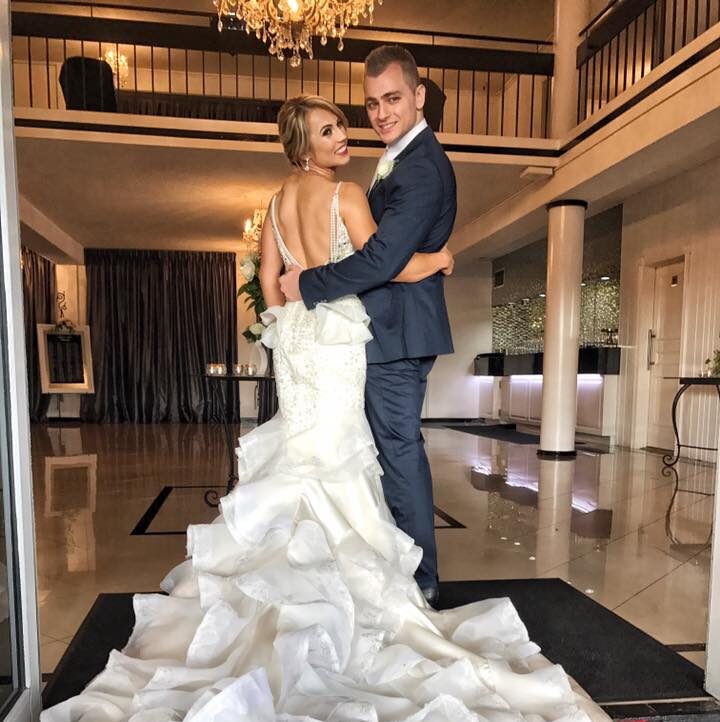
When I got married at Vogue Ballroom in 2017, I remember how easy it was to focus on the beautiful parts of venue shopping. The chandeliers. The styling. The excitement of picturing our reception. What many couples discover later is that some of the biggest wedding venue red flags are hidden behind polished photos and clever marketing. Over the last 20 years in Melbourne’s wedding industry, I’ve seen couples avoid costly mistakes simply by asking better questions before signing a contract.
The Venue Looks Perfect Online — But What Happens Behind The Scenes?
A wedding venue’s website can tell you a lot. It can also hide a lot.
I’ve worked with couples who fell in love with a venue after seeing stunning social media photos, only to discover months later that communication was poor, staff changed regularly, or important services came with extra fees.
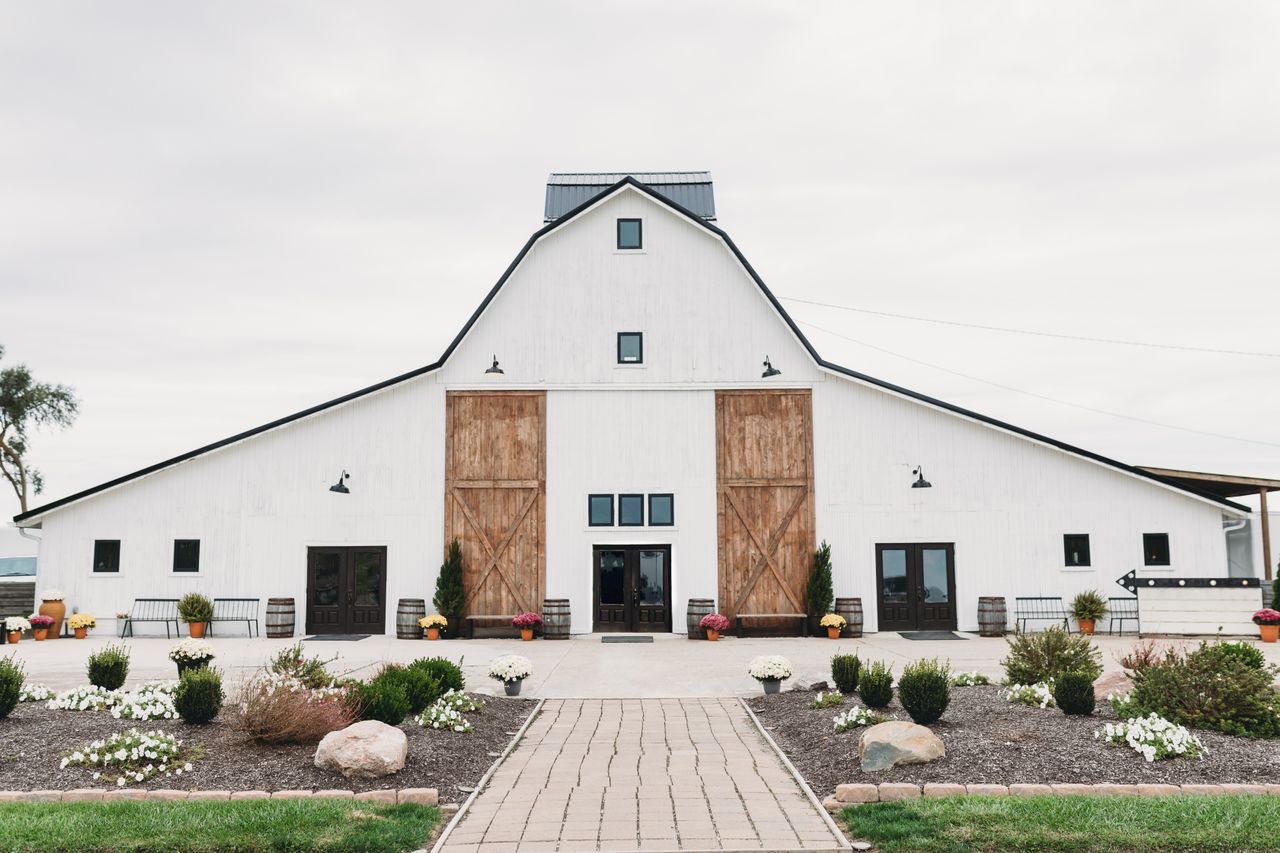
A venue should look beautiful. That’s a given. What matters just as much is how the team operates once the guests arrive.
The best venues balance presentation with experience, planning, and service. The less experienced venues often focus heavily on marketing while neglecting the operational details that actually shape your wedding day.
Why First Impressions Can Be Misleading
A few years ago, I spoke with a Melbourne couple who booked a venue after a quick online tour and a single site visit. The ballroom looked incredible. The package seemed affordable.
Six months later, they discovered several additional charges that were never mentioned during the sales process. By the time they added staffing costs, equipment hire, security, and overtime fees, their budget had increased by thousands of dollars.
That situation highlights one of the most common wedding venue booking mistakes: judging a venue on appearance alone.
When visiting a venue, look beyond the styling and ask yourself:
- Is the venue well-maintained?
- Are staff engaged and professional?
- Do they answer questions clearly?
- Does the venue feel organised?
- Can they explain exactly what is included?
A polished showroom means very little if the operation behind it is disorganised.
The Importance Of Asking The Right Questions Early
One of the most useful habits I recommend is bringing a written list of questions to ask before booking wedding venue options.
Many couples become caught up in comparing packages and dates. Meanwhile, important details slip through the cracks.
Here are some essential questions:
| Question | Why It Matters |
| What is included in the quoted price? | Prevents surprise costs later |
| Who will manage our event on the day? | Clarifies responsibility |
| How many weddings do you host each day? | Helps identify overbooking risks |
| What backup plans are available? | Protects against weather and emergencies |
| Are there any additional fees? | Improves budget accuracy |
As the old saying goes, “Measure twice, cut once.”
A few extra questions during the enquiry stage can save months of frustration later.
Hidden Costs That Can Blow Out Your Wedding Budget
Few things frustrate couples more than discovering unexpected charges after they’ve already committed to a venue.
Transparency should never be optional. A professional venue provides clear pricing from the beginning and explains exactly where your money is going.

The Hidden Fees Most Couples Never See Coming
When reviewing venue packages, look carefully for additional costs that may sit outside the advertised price.
Common examples include:
- Service charges
- Cleaning fees
- Public holiday surcharges
- Security costs
- Chair cover hire
- Linen upgrades
- Cakeage fees
- Vendor meals
- Overtime charges
- Audio-visual equipment hire
I’ve seen couples budget carefully for a $25,000 reception package only to discover another $4,000 to $6,000 in extra charges closer to the event.
Before signing anything, request a complete itemised breakdown.
Ask the venue: “Can you show me every possible charge that could apply to our wedding?”
If the answer feels vague or incomplete, treat it as one of the major bad wedding venue signs.
When A Cheap Wedding Venue Becomes An Expensive Mistake
Price matters. Every couple has a budget. Still, extremely low pricing should raise questions.
In Melbourne’s wedding market, quality venues carry high operating costs. Experienced staff, commercial kitchens, insurance, maintenance, licensing, security, and supplier management all require investment.
If a venue is dramatically cheaper than similar venues nearby, ask why. Sometimes there is a genuine reason.
Other times, couples discover:
- Inexperienced event teams
- Poor food quality
- Limited staffing
- Maintenance issues
- Last-minute add-on costs
A venue should provide value, not simply a low starting price.
Why Full Payment Upfront Should Raise Concerns
Most reputable venues operate using staged payment schedules.
A typical timeline may look like this:
| Wedding Timeline | Typical Payment |
| Booking Date | Deposit |
| 6 Months Before | Progress Payment |
| 2-4 Weeks Before | Final Balance |
If a venue demands full payment immediately, proceed carefully. Paying everything upfront removes much of your leverage if problems arise later. It can also indicate financial instability.
Professional businesses understand that trust is earned throughout the planning process, not demanded on day one.
Poor Communication Is Often The First Warning Sign
One of the easiest wedding venue red flags to spot appears long before the wedding day. It’s communication.
In my experience, venues usually show you exactly how they’ll operate from the very first enquiry. If communication is inconsistent during the sales process, it rarely improves after the contract is signed.
A wedding involves dozens of moving parts. You need a venue team that responds promptly, answers questions clearly, and follows through on commitments.

Slow Replies Today Can Become Bigger Problems Later
I often tell couples to pay attention to response times. Waiting a day or two during a busy wedding season is understandable. Waiting over a week for basic answers is not.
Imagine this scenario.
You email your venue to confirm dietary requirements for several guests. Days pass without a response. Then weeks. Eventually, you receive a brief reply that doesn’t address your actual question.
Now imagine that same level of communication a month before your wedding.
Not ideal.
Some common warning signs include:
- Delayed responses to emails
- Missed phone calls with no follow-up
- Generic template replies
- Incomplete answers
- Constantly needing to chase information
Good communication creates confidence. Poor communication creates stress.
What High Staff Turnover Can Tell You About A Venue
Another issue couples often overlook is staff turnover.
During venue tours, ask who will manage your wedding and whether that person is likely to remain your contact throughout the planning process.
I’ve seen situations where couples dealt with four or five different coordinators over a single engagement period. Every handover created confusion. Notes disappeared. Preferences were missed. Details had to be explained repeatedly.
Consistency matters.
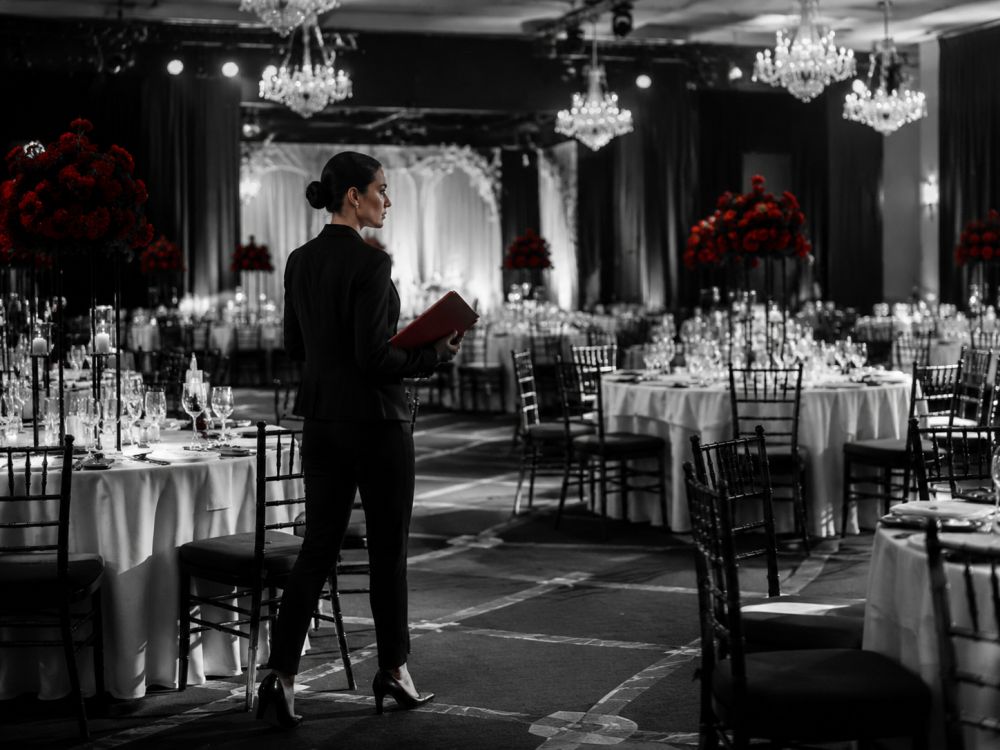
At established venues, experienced coordinators build relationships with couples over many months. They learn your priorities and understand your plans. When every conversation starts from scratch, mistakes become far more likely.
Signs Your Venue Team Is Not Properly Prepared
A venue tour should feel informative and organised. You should leave with answers, not more questions.
Watch for signs such as:
- Staff appearing unfamiliar with packages
- Unclear explanations
- Missing information
- Rushed inspections
- Difficulty explaining logistics
One couple I met toured a venue where the representative couldn’t explain parking arrangements, wet-weather plans, or reception timings.
That may seem minor during a tour. On a wedding day, those details become very important. A professional venue team should know its operation inside and out.
What Happens If Something Goes Wrong On The Day?
Every wedding experiences unexpected moments. A supplier gets delayed. A guest arrives with an unannounced dietary requirement. Rain appears in the middle of an outdoor ceremony.
The difference between an average venue and a great one often comes down to how these situations are handled.
Every Great Venue Has A Plan B
Living and working in Melbourne teaches you one thing quickly: never trust the weather forecast completely.
I’ve seen sunny mornings become stormy afternoons with very little warning. That is why every outdoor wedding venue should have a genuine backup plan. Not a vague promise. A real plan.
When assessing venues, ask:
- Where will the ceremony move if it rains?
- How quickly can the change happen?
- Will guests remain comfortable?
- Is heating available during winter?
- Is shade available during summer?
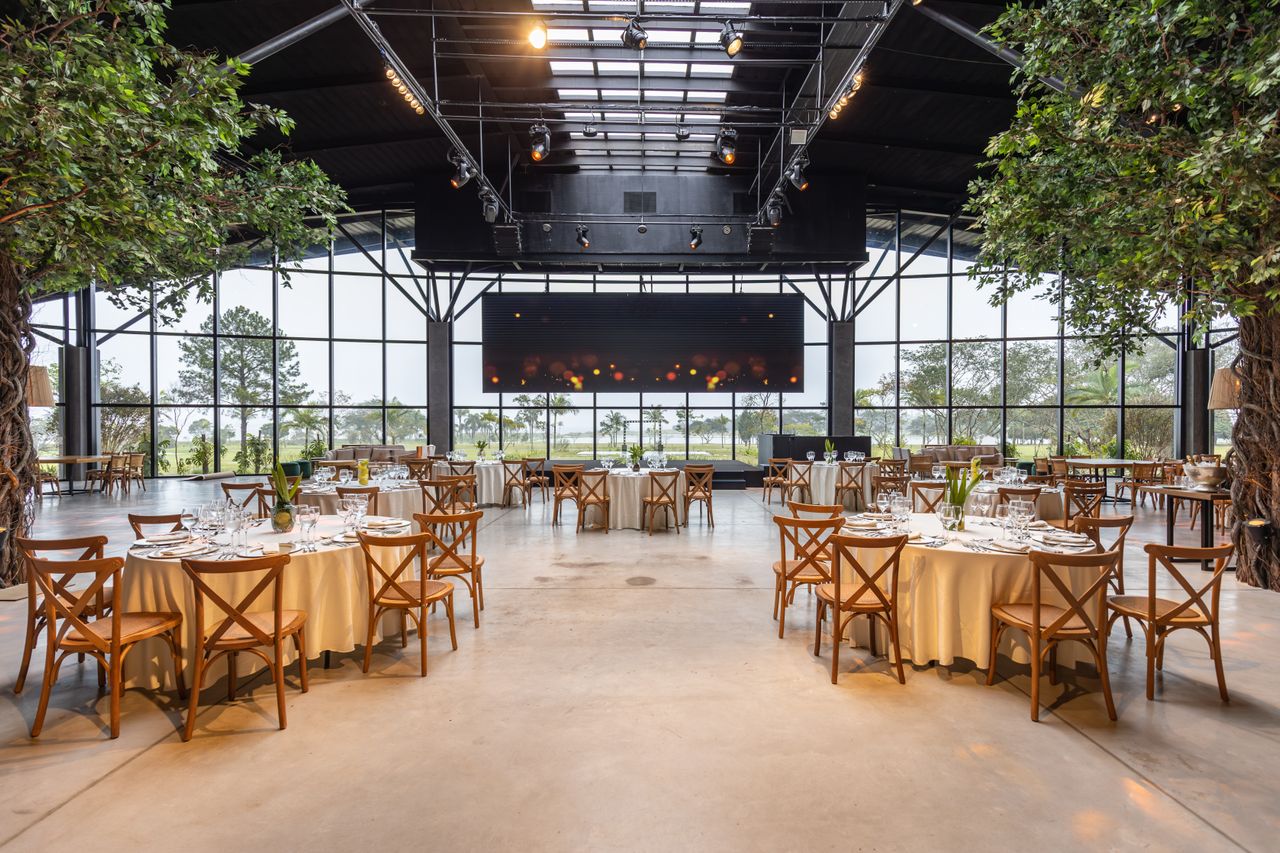
The backup location should feel like part of the venue experience, not an afterthought.
Questions To Ask About Emergencies And Unexpected Issues
One of the best ways to identify bad wedding venue signs is to discuss potential problems before they happen.
Ask these questions directly:
- What happens if severe weather affects the event?
- Do you have backup power available?
- Who manages supplier delays?
- How are guest emergencies handled?
- Is security available if required?
- What happens if key staff members become unavailable?
Professional venues answer confidently because they’ve managed these situations before.
How Experienced Venue Teams Solve Problems Quietly
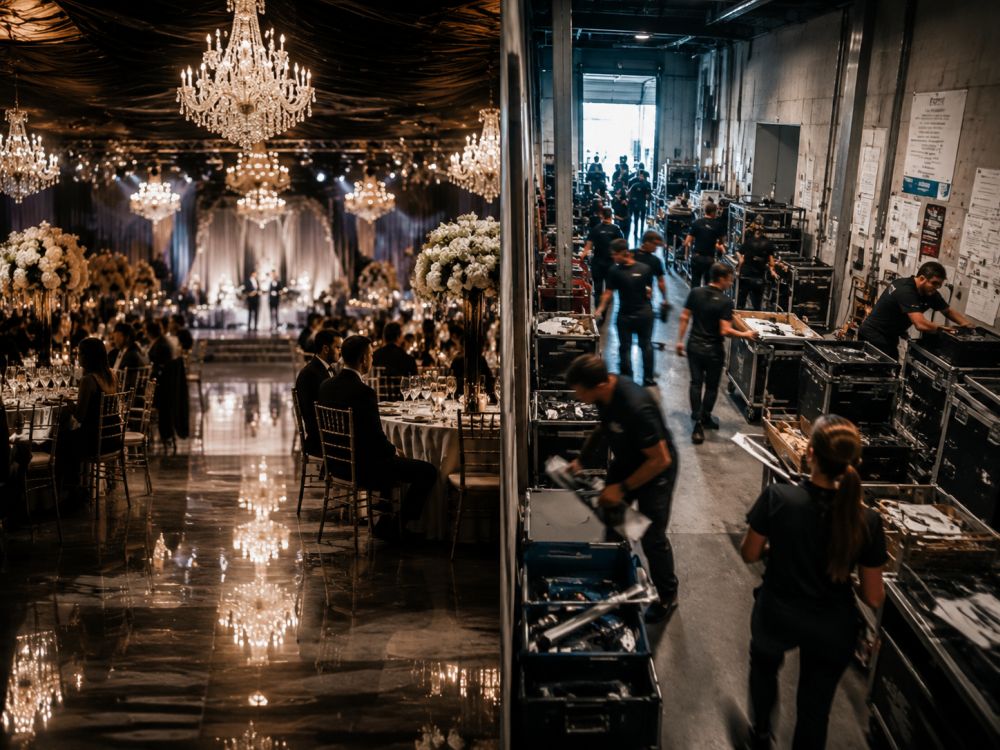
The best wedding coordinators are often invisible. Guests rarely notice the challenges they solve behind the scenes.
I remember a reception where a supplier became stuck in traffic due to a major accident on EastLink. The venue team quickly adjusted the run sheet, rearranged formalities, and coordinated with other suppliers.
Most guests never knew there was an issue. That’s the value of experience.
A strong venue team does not focus on explaining problems. They focus on delivering solutions.
As one venue manager told me years ago: “Guests remember the celebration, not the problems you prevented.”
That advice has stayed with me ever since.
Wedding Venue Policies That Can Limit Your Vision
Every venue has rules. Most exist for safety, logistics, or legal compliance. Problems arise when restrictions become so rigid that they make it difficult to create the wedding you actually want.
Many wedding venue booking mistakes happen because couples focus on aesthetics and pricing while overlooking venue policies buried in the contract.
Are You Free To Choose Your Own Suppliers?
Some venues provide preferred supplier lists. That can be helpful. Trusted photographers, celebrants, florists, and entertainers often work well together and understand the venue’s operation.
The concern arises when a venue forces couples to use only specific suppliers.
Before booking, ask:
- Can we bring our own photographer?
- Can we choose our own DJ or band?
- Are there penalties for using external suppliers?
- Do preferred suppliers pay referral fees?
A venue should recommend suppliers because they deliver quality service, not because they generate additional revenue.
Decoration Rules You Should Understand Before Signing
I always encourage couples to discuss styling plans early. What looks possible during a venue tour may not always be permitted on the day.
Restrictions can sometimes apply to:
- Candles
- Hanging installations
- Flower walls
- Confetti
- Open flames
- Ceiling decorations
- Sparklers
- Outdoor styling items
Before signing, create a styling checklist and review it with the venue.
Decoration Checklist
- Candles permitted?
- Hanging décor permitted?
- Floral installations permitted?
- Access time for stylists?
- Pack-down responsibilities clarified?
- Venue styling restrictions provided in writing?
Clear expectations prevent disappointment later.
Could Sound Restrictions Affect Your Reception?
This issue surprises many couples. Some venues operate under strict council regulations relating to noise levels.
Others install sound limiters that automatically reduce or cut music if the volume exceeds a certain threshold. That may not seem important during a daytime tour. It becomes very important when 200 guests are filling the dance floor at 10 pm.
If entertainment is important to you, ask:
- Are there noise restrictions?
- Is there a music curfew?
- Have DJs experienced issues here before?
- Are sound limiters installed?
A great reception depends heavily on atmosphere. Understanding these limitations beforehand helps avoid surprises.

Bad Wedding Venue Signs You Can Spot During A Tour
A venue tour tells you far more than a brochure ever will. When I visit venues, I always encourage couples to look beyond the ballroom itself. The small details often reveal how the business operates.
What Venue Maintenance Says About Management
Good maintenance reflects pride and professionalism. Poor maintenance often signals larger operational issues.
As you walk through the venue, pay attention to:
- Restroom cleanliness
- Furniture condition
- Flooring and carpets
- Lighting
- Gardens and outdoor areas
- Reception spaces
One poorly maintained area may not seem significant. Several neglected areas together should raise questions. A venue that struggles with basic presentation may also struggle with service standards.
Accessibility Issues That Guests Will Notice
Accessibility deserves careful consideration. Many weddings include grandparents, young children, guests with injuries, or people with mobility limitations.
Ask yourself:
- Are lifts available?
- Is parking close to the venue?
- Are toilets easily accessible?
- Are there steep stairs?
- Can guests move comfortably between spaces?
Accessibility affects guest comfort from arrival through to the final farewell.
Is The Venue Hosting Too Many Events At Once?
Some venues successfully manage multiple functions.
Others stretch their resources too thin.
During your visit, ask:
- How many weddings occur on the same day?
- Will facilities be shared?
- Is parking exclusive?
- Will staff be dedicated to our event?
A packed schedule can sometimes create:
- Parking congestion
- Noise transfer
- Delayed service
- Shared amenities
- Reduced staff attention
Here’s a simple inspection checklist I recommend.
| Venue Inspection Checklist | Yes/No |
| Clean amenities | |
| Professional staff | |
| Clear signage | |
| Adequate parking | |
| Accessible facilities | |
| Strong maintenance standards | |
| Clear event separation | |
| Comfortable guest flow |
If several boxes remain unchecked, continue your venue search.
Wedding Venue Contracts: What Couples Often Miss
The contract protects both you and the venue. It should never feel rushed or unclear. One of the biggest wedding venue red flags is a contract filled with vague language or missing details.

The Clauses You Should Never Skip
Before signing, review:
- Cancellation policies
- Rescheduling terms
- Payment schedules
- Refund conditions
- Force majeure clauses
- Inclusions and exclusions
If something has been promised during a meeting, it should appear in writing.
Why Every Promise Must Be Included In Writing
I’ve seen couples rely on verbal agreements that were never documented. Months later, confusion followed. If a venue says they’ll provide something special, ask for confirmation in writing.
A simple rule applies: If it isn’t written down, don’t assume it’s guaranteed.
Questions To Ask Before Signing Any Venue Agreement
- What costs are additional?
- What happens if our guest numbers change?
- Can we reschedule if circumstances change?
- Who is our primary contact?
- What services are included?
Clear answers reduce uncertainty and help protect your investment.
Reviews Can Reveal Problems Before You Experience Them
Online reviews often tell a story that marketing materials cannot.
How To Read Wedding Venue Reviews Like An Expert
Don’t focus on one negative review. Look for patterns.
Common recurring complaints may include:
- Poor communication
- Hidden fees
- Food quality concerns
- Staffing issues
- Last-minute surprises
When several reviews mention the same issue, pay attention.

Why A Venue’s Response To Criticism Matters
Every business receives criticism at some point. What matters is how they respond.
Professional venues acknowledge concerns respectfully and seek solutions. Public arguments, blame shifting, or defensive replies can reveal deeper customer service problems.
What A Strong Online Presence Says About A Venue
A quality venue should have:
- An up-to-date website
- Recent wedding galleries
- Current reviews
- Active social media channels
A professional digital presence shows the business remains engaged and invested in its reputation.
Trust Your Instincts When Something Feels Off
Facts matter. Research matters. Your instincts matter too.
Pushy Sales Tactics Are Usually A Warning Sign
Good venues allow couples time to think.
Be cautious if you hear:
- “You need to sign today.”
- “This offer expires tonight.”
- “Another couple is ready to take your date.”
Pressure rarely creates good decisions.
The Venue Should Feel Like A Partnership
The best venue relationships feel easy from the beginning. You should feel heard, respected, and supported.
One of the reasons couples often enjoy planning with experienced venue teams is simple: they know someone has their back.
The Simple Question I Always Tell Couples To Ask
Before committing, ask yourself: “Can I trust this team with one of the most important days of my life?” If the answer isn’t a confident yes, keep looking.
Most wedding venue booking mistakes can be avoided by slowing down and asking better questions.
Watch for hidden fees, poor communication, weak backup plans, restrictive policies, vague contracts, and recurring negative reviews. These bad wedding venue signs often appear long before the wedding day itself.
After more than 20 years working in Melbourne’s wedding industry, I’ve learned that the best venues are rarely the ones with the flashiest marketing. They’re the venues that communicate clearly, solve problems calmly, and make couples feel supported from the first enquiry through to the final dance.
A beautiful venue catches your attention. A trustworthy venue earns your confidence.