
Planning your wedding can feel like juggling a million details, but one of the most exciting decisions is choosing the perfect invitations. After all, your invites set the tone for your big day. In today’s world, wedding venue inclusions are the way to go—saving you time, money, and stress. But with so many platforms available, how do you choose the right one? I’ve been through this myself, and in this guide, I’ll walk you through the best online invitation tools, from DIY options to designer-level features, so you can create the perfect invite for your wedding day.
1. Core Offerings & Space: Ensuring Comfort and Functionality
Understanding Wedding Venue Capacity and Layout
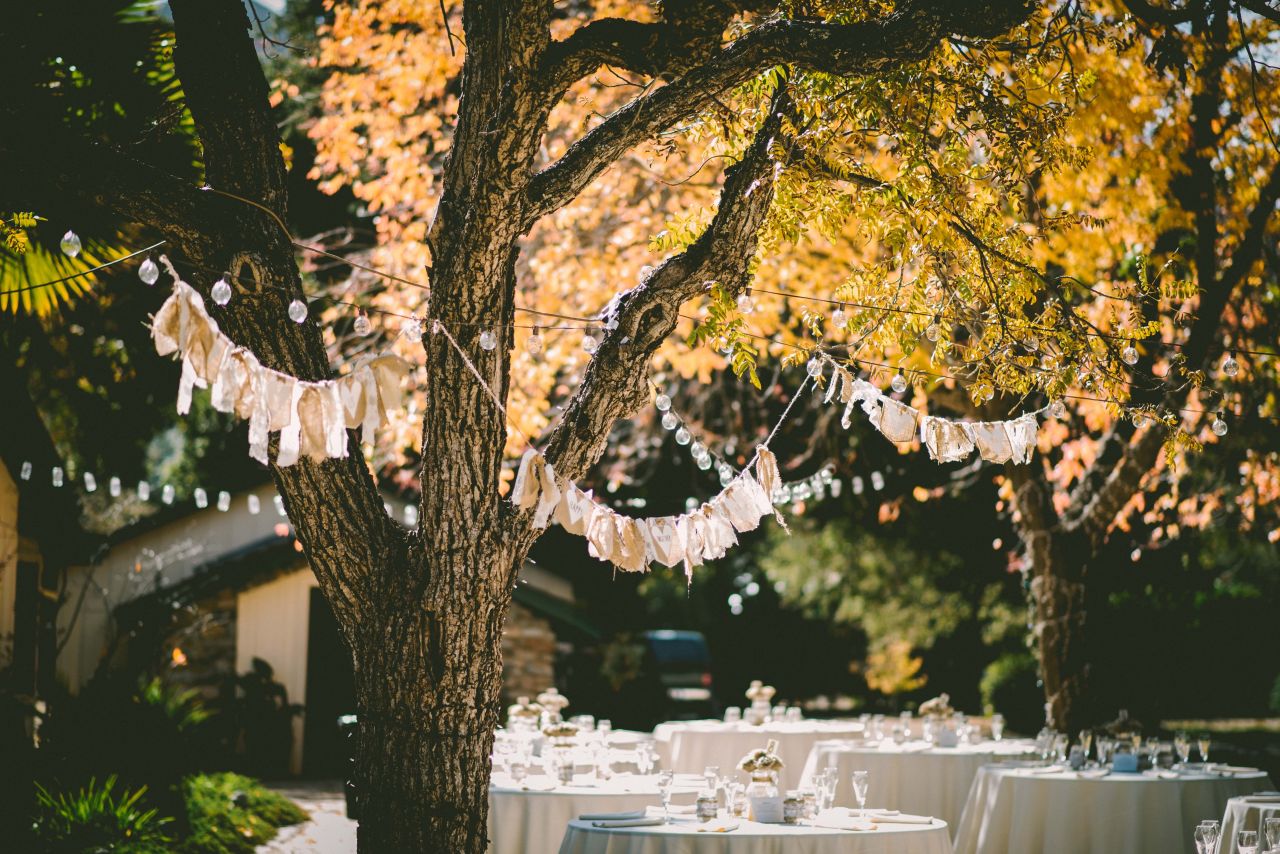
When my partner and I were looking for a wedding venue, we quickly realised that the size and layout of the space were more important than we initially thought. A beautiful venue isn’t much use if it can’t comfortably accommodate your guest list. It’s one of those things that might not hit you immediately, but when you start picturing your wedding day, you’ll want to make sure your guests aren’t packed in like sardines or lost in a cavernous space.
The trick is to ask about the venue’s capacity, but also to understand the layout. A venue might tell you that it can hold 300 guests, but that doesn’t mean it’s ideal for your specific event. For example, the space may be large, but if the tables are spaced too far apart, it could feel disconnected. On the other hand, too little space could make it difficult for guests to move around or get comfortable.
We had to carefully look at floor plans and adjust our guest list accordingly. What really helped was visualising how the venue would look with our layout—where the ceremony would be held, where guests would sit for dinner, and where the dance floor would go. It was crucial to ensure that there was enough space for everything, without making it feel either too crowded or too empty.
Essential Furniture & Supplies: What Should Be Provided
It’s easy to overlook the small details—until you realise just how important they are. A few weeks before our wedding, we were looking over our contract, and I suddenly wondered, “Wait, how many chairs are included?” You might think it’s obvious, but I was surprised to learn that the number of chairs was not always guaranteed in the venue package. Some venues included chairs as part of the booking, while others expected you to rent them separately.
That’s just one example of why it’s important to confirm exactly what’s included in your venue package. Ask the venue to specify what furniture is provided—tables, chairs, linens, silverware, drinking glasses—and make sure it fits with your wedding style. If your venue has outdated or mismatched pieces, you might end up having to rent items from an external supplier, which could add a significant cost.
We also asked about things like a cake stand, linens, and napkins. While these might seem like small details, they matter in the grand scheme of things. Some venues included them in all-inclusive packages, while others added them as extra costs. By asking these questions up front, we avoided unexpected expenses and stayed within our budget.
2. Staffing & Services: Support for a Smooth Event
Dedicated Venue Coordinators and Point Persons
One thing I highly recommend when choosing your venue is to ensure there’s a dedicated coordinator on-site. Many venues offer a venue coordinator—someone who manages the logistics of the space, coordinates vendors, and makes sure everything runs smoothly on the day. This role is different from a wedding planner, who typically oversees the entire event, from design to vendor management.
During my own wedding planning, I quickly realised how invaluable the venue coordinator was. They weren’t responsible for planning every detail of the wedding, but they took care of logistics, which was crucial. From greeting vendors to handling any last-minute changes, the coordinator made sure our day flowed seamlessly. I didn’t have to worry about the timing of things or whether the vendors were where they needed to be. It was one less thing for me to stress about.
Setup, Cleanup, and Extra Services
Something I didn’t fully appreciate until I was knee-deep in planning was how much of a relief setup and cleanup services can be. Some venues, especially higher-end options, include setup and cleanup as part of their package, and it can save you a lot of headaches.
For example, when we arrived at our venue for the rehearsal, everything was already set up—tables arranged, linens in place, and the seating was perfect. We didn’t have to rely on friends or family to help set up, which meant we could spend our time focusing on the important stuff, like practising the ceremony and relaxing before the big day.
It’s also worth checking if your venue provides security staff or parking attendants. Larger venues might offer these services, especially if your wedding is in a busy area. It’s another one of those details that can help take the pressure off you.
3. Utilities & Amenities: Ensuring Your Venue is Equipped for Your Needs
Lighting, Power, and Sound: Technical Aspects to Consider
Here’s something I didn’t think about when choosing our venue—lighting and sound. It wasn’t until we started thinking about evening photos and the reception vibe that we realised how essential these things are. The right lighting can completely change the mood of your event, from a warm and intimate ceremony to a lively, upbeat reception.
We were lucky that our venue had great lighting options built in, but I made sure to ask questions about it early on. Does the venue provide sound systems? How about lighting control for the evening? These are the kinds of details you don’t want to overlook, especially if you’re planning on having live music, a DJ, or any speeches that require microphones.
You’ll also want to confirm the power capacity. Is the venue able to handle the electrical demands of lighting, music, and other equipment? Some venues offer a backup generator to avoid issues in case of power outages, and this is something you should ask about.
Water Access, Restrooms, and Storage Needs
I don’t think I really thought about water access when we were looking at venues—but when it came to catering and vendor needs, it was an essential consideration. If you’re bringing in external caterers, make sure the venue offers easy access to water and has a clean and convenient area for vendors to set up.
Restrooms are another detail that might seem small, but trust me, they’re a big deal. Make sure your venue has enough restrooms to accommodate your guest list, and that they’re clean and accessible throughout the event. You want to ensure that your guests feel comfortable and that there are no long lines.
Lastly, storage is an often-overlooked necessity. Ask your venue if there are secure spaces for storing your wedding gifts or vendor gear. A secure storage area for items like the photographer’s equipment, gift bags, or even extra chairs can be a lifesaver on the day.
4. Parking & Accessibility: Guest Comfort is Key
Adequate Parking and Transportation Solutions
When my partner and I were planning our wedding, one of the first questions we asked the venue was about parking. After all, no one wants their guests wandering around looking for a place to park, especially if you’re in a city or at a remote venue like a barn wedding or a garden venue. If your guests are coming from all over, or if they’re not familiar with the area, you don’t want them getting lost or frustrated before they even arrive.
For us, having ample parking was a must. Our venue offered plenty of space for parking, which made a huge difference. If you’re considering a more secluded or rural venue, like a countryside wedding venue, make sure to ask about additional shuttle services or whether they offer transportation to and from nearby hotels. If there isn’t enough parking on-site, it’s good to know what alternative options are available to avoid a mad scramble.
Another important thing to ask about is a loading and unloading area for vendors. It might seem minor, but when you’ve got caterers unloading food, photographers setting up, and florists arranging everything, a proper loading area can make the process a lot smoother and less stressful.
Accessibility Features for All Guests
One of the most important considerations for us was ensuring that the venue was accessible to all guests, especially those with mobility challenges. We had elderly family members attending, and we wanted to ensure they had an easy time getting around. If your venue has stairs or is in an area that could be challenging for people with disabilities, be sure to ask about ramps, elevators, and accessible restrooms.
At our venue, they had made sure there was easy access to the ceremony and reception spaces. Plus, all of the restrooms were fully accessible, which was a huge relief. These small yet crucial details ensured that all our guests felt comfortable, no matter their mobility needs.
And don’t forget about accommodation. If you’re hosting out-of-town guests, or if you’re holding your wedding at a destination venue, it’s helpful if the venue can recommend or partner with nearby hotels. Some venues even offer packages for on-site accommodation, which is especially useful if you’re holding a wedding that spans several days or has a lot of international guests.
5. Packages & Pricing Transparency: How to Manage Your Budget
Understanding Venue-Only vs. All-Inclusive Packages
One of the most important aspects of choosing a venue is figuring out your budget. My partner and I went back and forth between booking a venue-only option or opting for an all-inclusive package. While a venue-only option may seem like a cheaper option at first glance, it’s important to consider that you might need to book other services like catering, entertainment, and decor separately, which can quickly add up.
An all-inclusive package might look more expensive upfront, but it could save you time, effort, and even money in the long run. For example, we booked a rustic wedding venue that offered a package that included catering, decorations, and even the DJ. The convenience of having everything included was worth it, and it helped us manage our budget more effectively.
However, there is one important thing to watch out for: not all all-inclusive packages are as clear-cut as they might seem. Make sure you scrutinise the fine print. Hidden fees like additional costs for extra hours, upgraded decor, or specific catering options can turn an affordable package into an expensive one. When we were looking at options, we made sure to ask about every single detail, from menu options to overtime charges, so we wouldn’t be caught off guard later.
Hidden Costs and Payment Terms: What to Expect
When booking your venue, make sure to ask about any hidden fees. Many couples overlook these, but they can really add up. For example, corkage fees (if you want to bring in your own alcohol) are common at many venues. Additionally, some venues charge for extra hours or overtime if your event runs longer than expected, so ask about this upfront.
Another hidden cost to watch out for is the security fee. Some venues charge extra for security services, especially if you’re hosting a large reception or a nighttime event. We learned this the hard way when our venue added a security charge we hadn’t initially budgeted for.
As for payment terms, be sure to ask for a clear breakdown of what’s due and when. We found it helpful to have a payment schedule in writing, outlining the deposit, the due dates for any instalments, and the total balance. This helped keep us on track and ensured we didn’t run into any surprises along the way.
6. Catering & Drink Options: Keeping Your Guests Well-Fed
In-House vs. Outside Catering: What’s Right for You
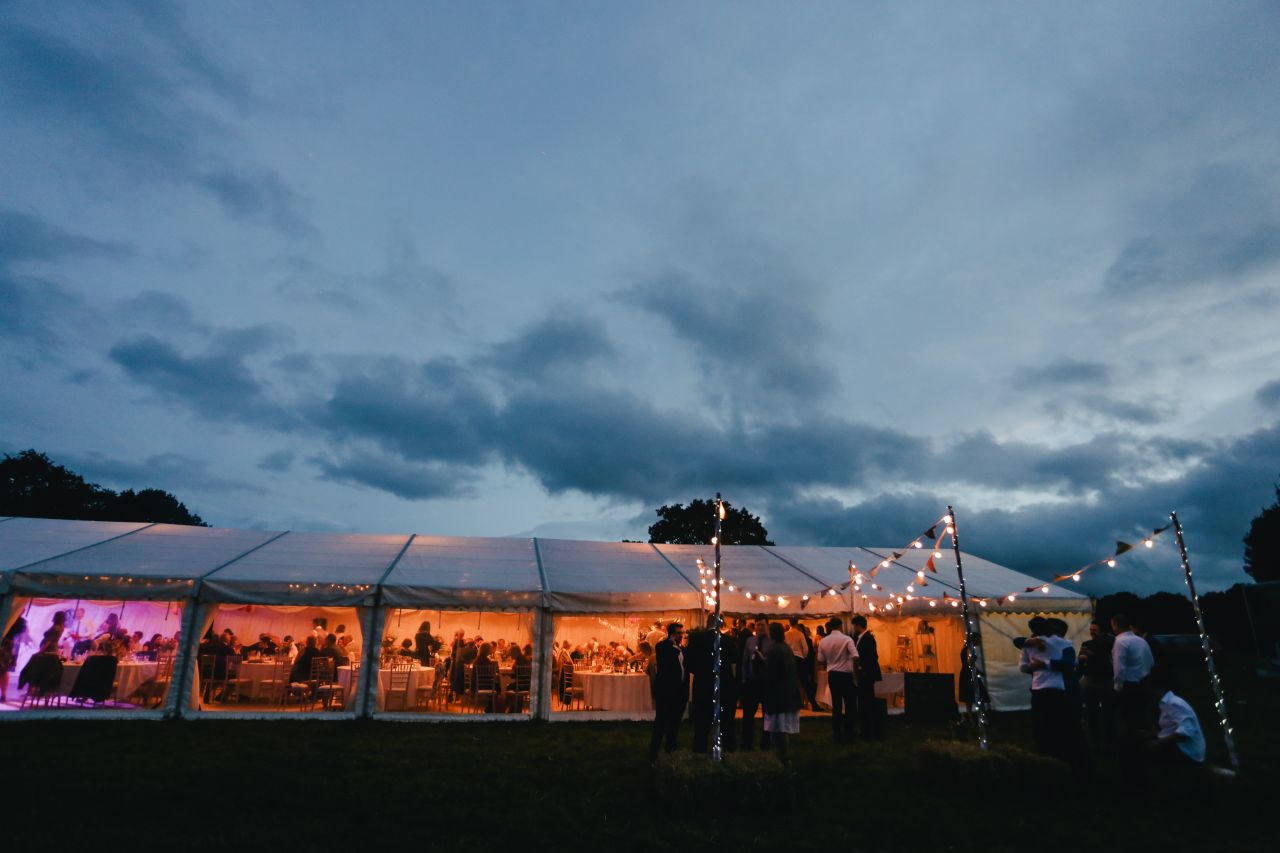
If there’s one thing that can make or break your wedding, it’s the food. My partner and I spent a lot of time deciding whether to go with in-house catering or bring in an external catering team. In the end, we chose to go with the venue’s in-house catering. It saved us a lot of logistical headaches, and we were able to customise the menu to fit our tastes. However, in-house catering doesn’t always offer the flexibility we wanted, especially when it came to dietary needs.
If you’re considering outside catering, make sure the venue is okay with it. Some venues are pretty strict about outside vendors, while others may charge you a corkage fee or a vendor fee to bring your own caterers. Also, don’t forget to ask if the venue provides any catering equipment or if you’ll need to rent additional things like a bar or serving stations.
Bar Services and Dietary Accommodations
Drinks are another important factor to consider when choosing your venue. Does the venue provide a full-service bar, or will you need to hire a separate bartender? Many venues offer various bar packages, which can include a selection of beer, wine, and spirits, and some may even let you add personalised cocktails to the menu.
Also, make sure to check the venue’s dietary accommodations. At our venue, we ensured there were plenty of vegetarian, vegan, and gluten-free options to cater to the dietary needs of our guests. A good venue should be willing to accommodate these requests without any hassle.
7. Vendor Policies & Support: Ensuring Smooth Coordination
Working with Preferred Vendors vs. Outside Suppliers
One of the first things we realised when booking our wedding venue was how much the vendor policies would impact the planning. Many venues have a preferred vendor list, which includes photographers, florists, musicians, and decorators they’ve worked with before. This might seem convenient because the venue is already familiar with these suppliers, and they know the venue’s space, equipment, and rules.
However, we didn’t want to be tied to a specific list, so we made sure to ask the venue about the flexibility to bring in our own suppliers. It turned out that the venue was fine with us choosing outside vendors, provided they were licensed and insured. While this was a relief, it also meant we had to manage more details ourselves, such as coordinating the logistics and ensuring the vendors were familiar with the venue layout.
Vendor Perks and Amenities for External Teams
When we booked our venue, we were pleasantly surprised to learn that the venue had some vendor perks. For example, they had reserved parking spaces for our photographers and videographers, which was incredibly helpful. Vendors often have a lot of equipment to unload, so ensuring they had close access to the venue made the whole process smoother.
If you’re planning to use outside vendors, ask the venue if they offer any amenities or perks for them, like vendor meals, dedicated space for setup, or reserved parking spots. It may not seem like much, but these small touches can make a huge difference in vendor satisfaction, which ultimately contributes to a smoother wedding day.
8. Aesthetics & Customisation: Creating the Right Atmosphere
Aligning the Venue’s Style with Your Wedding Vision
Choosing a venue that aligns with your wedding vision is essential. When my partner and I were looking for venues, we had a clear vision of a vintage wedding with rustic charm. As we toured different venues, we quickly realised that some spaces naturally fit our theme better than others. A venue with an old barn or a garden offered the kind of charm we were after, while some modern, sleek venues felt too distant from the vision we had.
The key takeaway here is that the venue’s aesthetic should complement the style of your wedding, whether that’s elegant, vintage, rustic, or something else entirely. If you have a clear idea of your wedding theme, choosing a venue that already reflects that style can save you time, effort, and money on decorating. But if you prefer a blank slate venue, make sure you have the flexibility to add your own personal touches.
Customisation Potential and Photogenic Spaces
During our venue search, we made sure the space had plenty of photo opportunities. We knew we wanted some stunning photos, so finding a venue with beautiful backdrops, such as vintage architecture, flower-filled gardens, or even natural landscapes, was a must.
Look for venues that allow some customisation of the decor to fit your style. Some venues have restrictions on decorations, especially in terms of what you can hang or set up. Ask the venue what’s allowed in terms of decorations, lighting, and floral arrangements. It’s also helpful to know if the venue offers decor rental or if you need to organise it yourself.
9. Logistics & Planning Support: Simplifying the Day-of Operations
Access Times, Exclusivity, and Backup Plans
We learned early on that understanding the logistics of the venue’s schedule was essential. I’d recommend asking about the exact opening and closing times for your event. When do you and your vendors have access to the venue to set up? Will the venue be available exclusively for you on your wedding day, or will other events be taking place? For us, having exclusive access to the venue made a huge difference in the experience. It meant no distractions, no interruptions, and no worrying about another couple’s timeline overlapping with ours.
Also, ask about contingency plans for bad weather, especially if you’re hosting an outdoor wedding. Our venue had a backup indoor space available, which was a relief since we were planning a garden wedding. You’ll want peace of mind knowing the venue has alternatives in place, in case Mother Nature has other plans.
Planning for Transportation and Guest Movement
Don’t forget to ask about how guests will get to the venue. We were hosting a lot of out-of-town guests, so we worked with the venue to organise shuttle services between local hotels and the venue. It took the stress out of the logistics for our guests and ensured that everyone could enjoy themselves without worrying about driving or finding parking.
If your venue is in a busy urban area, ask about transportation options, valet services, or even the ease of access for ride-share services like Uber. Making it easier for guests to get to the venue helps keep the day flowing smoothly.
10. Bridal & Groom Suites: Comfort for the Couple
The Importance of Comfortable Getting-Ready Suites
The getting-ready space for both the bride and groom is something you shouldn’t overlook when touring a venue. The last thing you want is to feel cramped or uncomfortable in your bridal suite. For us, having a spacious and comfortable bridal suite was important, especially since I knew I’d be spending hours there with my bridal party.
It’s not just about the space itself—check for practical features, like plenty of mirrors, outlets for hair and makeup, and natural light. We found a venue with large windows that let in a lot of light, which was perfect for getting ready photos. As for the groom, make sure there’s also a designated space for him and his party to relax before the ceremony. Some venues go the extra mile by offering additional perks like gaming systems or pool tables in the groom’s suite.
Key Takeaways
- When choosing your venue, think about how the capacity and layout will impact your guest experience. Make sure the space fits your style and guest count.
- Don’t overlook the vendor policies—ask about flexibility with suppliers and make sure they provide the necessary support to make things run smoothly.
- The aesthetic of your venue should align with your wedding vision. Whether it’s a rustic barn or a vintage garden, choose a space that complements your style.
- Ask about logistics, transportation, and backup plans to ensure everything runs smoothly on the day.
Let’s Get Straight to the Point
Choosing the right wedding venue involves more than just picking a pretty location. It requires a space that fits your guest list, offers necessary amenities, and aligns with your wedding vision. Key considerations include venue capacity and layout, available furniture, staffing services, and vendor flexibility. Pay attention to hidden costs, catering options, and the venue’s accessibility. It’s also crucial to confirm details like parking, restrooms, and backup plans for bad weather. Finally, ensure the venue supports customisation and provides a comfortable environment for both you and your guests.