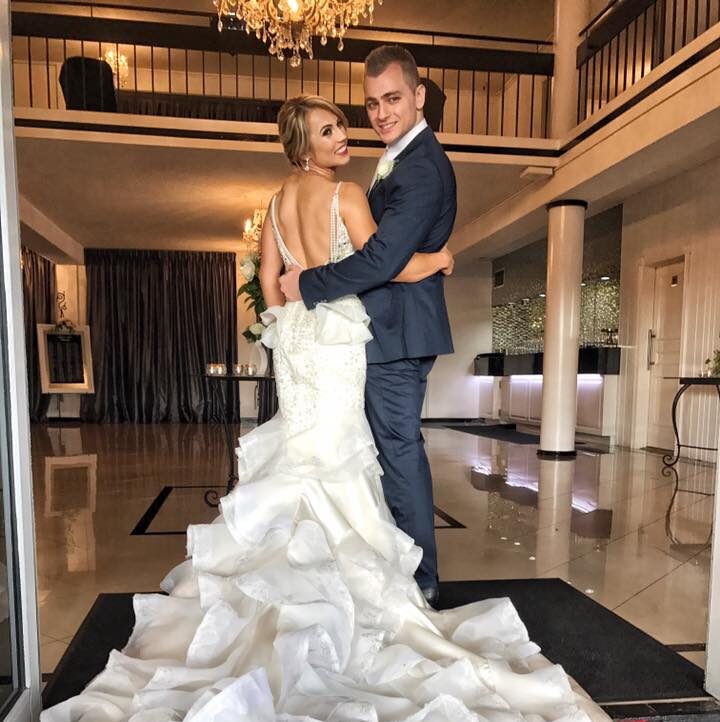
When it comes to your wedding, the right photographer can make all the difference. I learned this firsthand when planning my own wedding—your photographer isn’t just capturing images; they’re preserving the essence of your day. I’ve seen how the atmosphere and lighting at beautiful wedding venues in Melbourne can completely elevate wedding photography and create unforgettable memories. But with so many options out there, how do you hire wedding photographer that fits? In this guide, I’ll take you through the steps to finding the perfect wedding photographer. From defining your style to understanding pricing and evaluating portfolios, I’ll share tips that helped me pick the photographer who truly brought our wedding memories to life.
Why the Right Wedding Photographer is Essential for Your Big Day
The Importance of Capturing the Moments That Matter
When I got married, the one thing I remember most clearly, aside from the vows and the party, was the sheer weight of trusting someone with capturing my wedding day. It’s one thing to have great memories, but to have them immortalised through photos is something else entirely. You can’t underestimate the value of hiring the right photographer—these photos will live on long after your wedding day is over, allowing you to relive your special moments for decades.
As the years go by, you’ll find that the memories of the wedding itself can blur. But when you look through your wedding album, it’s like stepping right back into the day. Whether it’s a candid shot of you laughing with your bridesmaids or a quiet, intimate moment between you and your partner, these photographs are the keepsakes that’ll take you back to the day you’ll never forget. They’re more than just pictures; they’re memories that’ll become family heirlooms.
A skilled photographer does more than take pretty pictures. They should know how to make the most out of any lighting condition, how to capture your emotions, and how to create art from seemingly ordinary moments. A wedding photographer can transform what might otherwise be a forgettable scene into an emotional, timeless memory. Whether you’re walking down the aisle, dancing your first dance, or simply sitting with loved ones, the right photographer will be able to immortalise those fleeting moments.
When to Start Searching for Your Wedding Photographer
Looking back on my wedding, one of the first decisions my partner and I made (after securing the venue) was to book our wedding photographer. Here’s the thing: it’s never too early to start researching. Wedding photographers are in high demand, especially the good ones. In Melbourne, for instance, many of the top photographers are booked up to a year or more in advance. If there’s someone you’ve got your heart set on, get in touch with them as soon as you can. That’s exactly what we did—by locking in our photographer early, we ensured we got the style and quality we wanted.
Most photographers have their calendars filled well in advance, so once you’ve locked in your wedding date, start looking for your photographer. Waiting until the last minute can lead to disappointment, especially if you’re after someone with a particular style or experience in a specific type of wedding (like destination weddings or outdoor ceremonies).
From my experience, I’d recommend starting your search around 12 months before the big day, but don’t hesitate to start earlier if you have a particular photographer in mind. For couples planning a destination wedding, I’d say aim for at least 18 months ahead. The earlier you secure your photographer, the more relaxed you’ll feel as the day approaches.
Steps to Finding the Right Photographer for You
Step 1: Define Your Photography Style
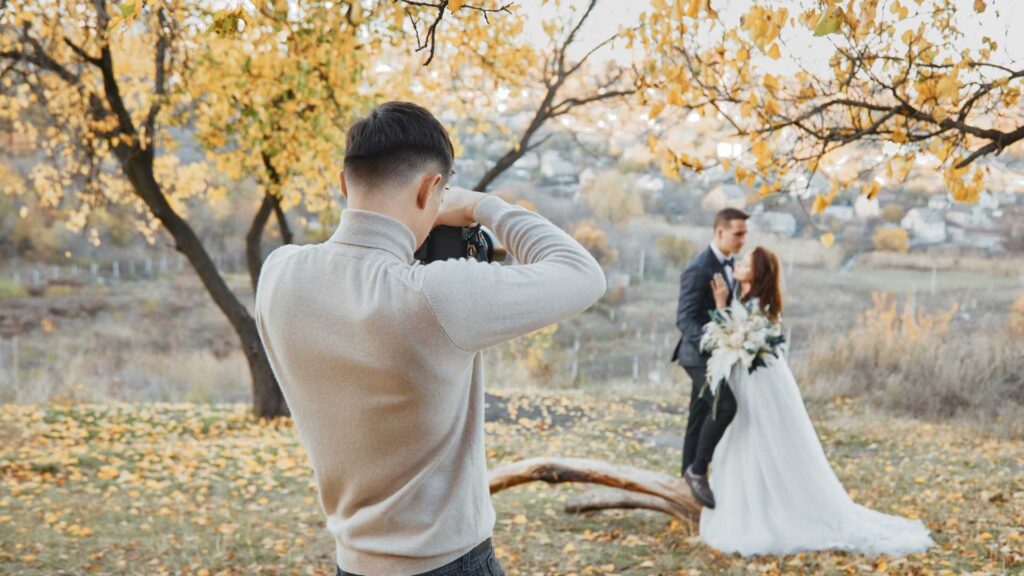
Choosing the right wedding photographer is all about finding someone whose style matches your vision for the day. When my partner and I started looking for photographers, we spent a lot of time reflecting on the kind of photos we wanted. Were we drawn to the timeless elegance of traditional posed portraits, or did we prefer the candid, documentary style that captures moments in an organic, journalistic way?
Here are some popular wedding photography styles you should consider:
- Traditional: These photos are posed, with the photographer directing you and your guests to capture formal, well-composed shots. Think group photos, bride and groom portraits, and family photos.
- Photojournalistic (Wedding Photojournalism): This style focuses on capturing spontaneous, candid moments throughout the day, from quiet glances to the unplanned, magical interactions. It’s perfect if you love natural, unposed moments.
- Fine Art: If you want your wedding photos to have a romantic, artistic touch, fine art wedding photography might be for you. Expect soft lighting, stunning composition, and a focus on creating visually striking images.
- Film: Some photographers use film cameras, creating a vintage, nostalgic feel. It’s an aesthetic that’s becoming more popular, especially with couples wanting timeless-looking photos.
To figure out which style speaks to you, start browsing websites like Pinterest, Instagram, or wedding blogs, and save images that resonate with you. Don’t worry about being an expert or using fancy terms—just look at photos and see what you’re naturally drawn to.
Step 2: Setting a Budget and Understanding Pricing
Before you start reaching out to photographers, it’s essential to have a clear idea of your budget. Wedding photography can range significantly in price depending on factors like the photographer’s experience, the length of coverage, the number of photographers included, and the location of your wedding. When we were planning, we set aside a portion of our budget for photography, and I remember being shocked at how much some photographers charged. But the old saying rings true: you get what you pay for.
Here’s a rough breakdown of what you can expect in terms of costs:
- Budget ($1,000 – $3,000): At this price point, you might find newer photographers just starting out or those offering limited packages. Coverage could range from a few hours to the full day, but expect fewer included extras (like albums or prints).
- Mid-Range ($3,000 – $6,000): This is the sweet spot for many couples. Here, you’ll find experienced photographers who can deliver consistently high-quality images, usually offering full-day coverage, an engagement session, and access to a decent number of photos.
- High-End ($6,000 – $10,000+): The premium photographers fall into this category. They often have years of experience, a well-established reputation, and a portfolio that speaks for itself. You’ll get more extensive packages that include albums, high-end prints, second shooters, and custom photography timelines.
Tip: Don’t forget to factor in additional costs like travel fees for destination weddings, prints, or album upgrades. Some photographers may offer a package that includes all edited images, while others might charge for prints or albums on top of the initial package.
Step 3: Where to Find Wedding Photographers
Now that you’ve got a better idea of your budget and photography style, it’s time to start your search. The best place to begin is by looking locally. If you’re in Melbourne, you might already have a few photographers in mind, especially if you’ve seen their work at other weddings. But if you’re just starting, here’s where I’d recommend looking:
- Social Media: Instagram and Facebook are goldmines for discovering wedding photographers. Many photographers showcase their work regularly, giving you a peek into their style, personality, and client interactions.
- Wedding Websites and Directories: Websites like The Knot, Wedding Wire, or Zola list photographers by location and style, complete with reviews, pricing, and portfolios. They make the process of narrowing down your search much easier.
- Wedding Vendor Recommendations: Your venue, florists, or wedding planners likely work with photographers they trust and can recommend. This is a great way to find someone experienced in your venue’s specific lighting and layout.
- Personal Recommendations: Don’t underestimate the value of word-of-mouth. Ask your friends or family who’ve recently tied the knot if they have any photographers they’d recommend.
Once you have a list of photographers whose work you like, make sure to check their websites to ensure their style aligns with what you’re after.
Evaluating Photographers: How to Choose the Right One
Step 4: Reviewing Portfolios and Full Galleries
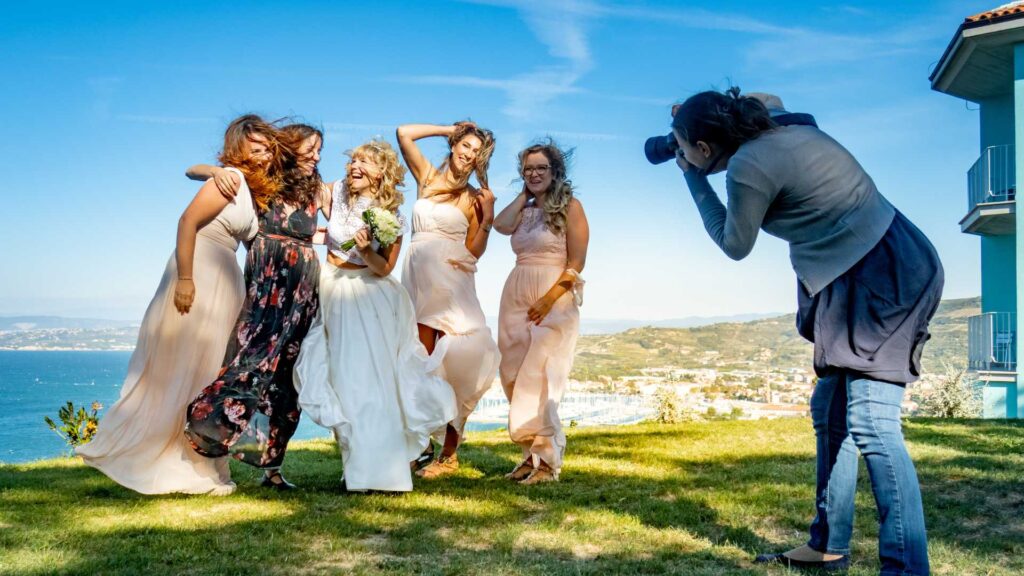
When we were narrowing down our photographer options, I found it invaluable to look at full wedding galleries, not just the highlights that they posted on social media. Sure, a few stunning shots can give you a taste of what they can do, but to really get an idea of their style, you need to see how they handle a full day of shooting.
Here’s what you should focus on when reviewing a photographer’s portfolio:
- Consistency: A good photographer can deliver great images across different parts of the day. Check if their photos maintain a consistent style—this includes colour grading, composition, and mood—from start to finish. Do the shots feel cohesive?
- Variety: Your wedding day will have a range of moments: getting ready, the ceremony, the reception, and plenty of candid moments. A skilled photographer knows how to handle all types of shots, from intimate portraits to group photos and everything in between.
- Lighting: Good wedding photographers know how to adapt to different lighting situations. Whether it’s a sunny outdoor ceremony or a dimly lit reception hall, make sure the photographer is capable of producing sharp, well-lit images in all conditions.
- Emotion: The best photos are the ones that capture the emotion of the moment. Do the photos make you feel something? When I looked at our photographer’s full galleries, I could see how well they captured those little emotional moments, like my partner’s face when I walked down the aisle or the laughter during speeches.
If you’re unsure about anything in the gallery, don’t hesitate to ask for more examples. A professional photographer should be happy to share galleries from past weddings to show how they handle the entire day.
Step 5: Checking Reviews and References
The photographer’s portfolio can tell you a lot about their style, but the reviews give you insight into their reliability, professionalism, and experience working with couples. Don’t just look at reviews on their website; dive deeper into third-party sites like Google, WeddingWire, and Facebook. These platforms provide reviews from real couples who’ve worked with the photographer before.
Here’s how to make the most out of reading reviews:
- Check for Consistency: Look for patterns in the reviews. Are there repeated praises for specific qualities, like punctuality, friendliness, or how the photographer made couples feel comfortable on the big day? Alternatively, watch out for red flags if reviews mention issues like missed moments or poor communication.
- Ask for References: If you’re unsure about anything you read, ask the photographer for references. Many photographers will connect you with past clients who can give you an honest take on their experience. This was something I did when hiring our photographer, and it gave me peace of mind knowing what to expect.
- Look for Red Flags: If a photographer doesn’t have reviews on third-party sites or refuses to connect you with previous clients, that’s a sign to proceed with caution. Professional photographers should have reviews from multiple sources, and any reluctance to share them might indicate they haven’t built up a trustworthy reputation.
Step 6: Assessing Professionalism and Experience
One of the most important things we considered when hiring our photographer was experience. Weddings are fast-paced, unpredictable events, and you need a professional who’s been around the block a few times.
Here’s why experience matters:
- Handling Stress: With years of experience, a photographer is more likely to handle any challenges that arise on the day, whether it’s bad weather, last-minute timeline changes, or uncooperative guests.
- Technical Expertise: Experienced photographers know how to use their gear to its full potential. They’ll have a solid understanding of lighting, exposure, and composition, so you won’t have to worry about blurry or poorly lit photos.
- Backup Plan: A seasoned photographer should always have a backup plan. This could include backup equipment in case something breaks or even a secondary photographer if the day’s coverage requires it. I asked our photographer about their backup equipment, and I felt reassured knowing they had everything covered.
When you meet with potential photographers, ask them how long they’ve been shooting weddings and how many weddings they’ve worked on. A solid photographer will have shot dozens, if not hundreds, of weddings. They’ll also be able to provide you with detailed examples of how they’ve worked through challenges, so you can get a feel for how they handle pressure.
The Importance of Photographer Interaction and Approach
Step 7: Understanding Their Approach and Style
When it comes to wedding photography, it’s not just about the final images—it’s also about the experience throughout the day. My photographer wasn’t just a passive observer behind the camera; they were part of the day, guiding us through key moments with their calm, confident presence.
There are different approaches photographers can take, and it’s important to consider what works best for your personality and the kind of atmosphere you want to create on your wedding day:
- Directive vs. Hands-Off: Some photographers like to direct the couple and the guests, while others prefer a more hands-off approach, letting things unfold naturally. If you’re someone who likes direction for family photos or specific shots, a photographer with a more assertive approach may be a better fit. On the other hand, if you prefer candid shots and the freedom to enjoy the day without constant instructions, a more documentary-style photographer might suit you better.
- Posed vs. Candid: Are you drawn to traditional, posed portraits or the raw, candid moments captured by a documentary-style photographer? Most photographers will offer a mix of both, but understanding the balance they strike will help you get the shots that matter most to you.
Take time to chat with your photographer about how they approach different parts of the day, like group shots, family portraits, and intimate moments. It’ll help ensure you’re on the same page about the vibe you want.
Step 8: Communication and Expectations
Clear communication is key when working with any vendor, but especially with your wedding photographer, who will be following you around all day! From my experience, having open conversations about your expectations and any specific shots you want is essential.
- Be Specific About What You Want: For instance, if you want a particular moment captured, like a first look or a specific family grouping, let your photographer know ahead of time. Don’t assume they’ll know.
- Discuss Your Timeline: Your photographer will need to know your wedding day timeline so they can plan accordingly. Discuss key events and make sure they’re scheduled in a way that allows for ample photography time.
- Set Priorities: If having beautiful portraits of you and your partner is your top priority, let them know. If you want more candid moments of your guests, mention that too. The more you communicate your priorities, the better the results will be.
Wedding Photography Packages and Logistics
Step 9: Clarifying Photography Packages
Once you’ve found a photographer whose style and personality resonate with you, the next step is understanding the photography packages they offer. Pricing can vary significantly, so it’s essential to ask questions to get a clear picture of what’s included and what might incur additional costs.
Here’s a checklist of things to ask about when reviewing packages:
- Hours of Coverage: How many hours are included in the package? A standard package often includes 8 hours of coverage, but you may want to extend this if you’re planning a longer event or want coverage during the getting-ready moments. Make sure the photographer’s package suits the duration of your wedding day.
- Second Shooter: Many photographers offer the option of hiring a second shooter, especially for larger weddings. Having a second photographer can make a world of difference by allowing you to capture multiple angles, key moments, and candid shots throughout the day. It can be a game-changer, especially during high-energy moments like the ceremony or reception.
- Engagement Session: Some photographers offer engagement shoots as part of their packages. These sessions are a fantastic opportunity to get to know your photographer and work out any pre-wedding nerves. It also allows you to get some stunning shots before the big day, which you can use for invites or just to have as mementos.
- Albums and Prints: Does your package include a wedding album? If not, inquire about the cost of adding one. A professionally printed album is a timeless way to showcase your wedding photos, and it’s something you can look back on for years to come. Some photographers also offer prints and canvases as part of their packages.
- Travel Fees: If your wedding is a destination wedding or outside the photographer’s local area, don’t forget to ask about travel fees. A good photographer will be upfront about these costs, and you should make sure to factor them into your budget.
By the time you’re ready to choose your photographer, you should have a clear understanding of what’s included in the package and how much you’ll be paying for additional services like a second shooter, albums, or extended hours.
Step 10: Backup Plans and Emergency Preparedness
One thing I learned the hard way when planning my own wedding is that things don’t always go according to plan—whether it’s weather issues, last-minute changes, or technical problems. That’s why it’s crucial to ask your photographer about their backup plans, especially regarding equipment and unforeseen circumstances.
Here’s what you need to consider:
- Backup Equipment: A professional photographer should have backup gear. Ask them what kind of equipment they carry and whether they have backups in case something fails. You wouldn’t want your photographer’s camera breaking in the middle of your ceremony and having no way to capture the moment.
- Illness or Emergencies: Life happens. If your photographer falls ill or has an emergency, do they have a plan to ensure your wedding day is still covered? Many experienced photographers work with backup photographers or have a network of trusted colleagues who can step in if needed.
- Backup Plan for Photos: In the unlikely event that something happens to your photos (e.g., technical issues, file corruption), ask about their backup systems. A professional photographer should be able to reassure you that your memories are safe.
Having these discussions up front gives you peace of mind, knowing that your photographer is well-prepared to handle any situation that may arise.
Making the Decision and Booking Your Wedding Photographer
Step 11: Trust Your Gut – Go with the Photographer You Connect With
Now comes the moment of truth. After all your research, meetings, and discussions, the final decision should come down to trust and gut feeling. From my experience, choosing a photographer is as much about the connection you feel with them as it is about their technical skills.
It’s important to choose a photographer who not only excels at capturing beautiful images but also makes you feel comfortable and confident. Remember, this is someone you’ll be spending a lot of time with on your wedding day, and their approach can influence the mood of the entire event.
- Connection: How does the photographer make you feel? Are they calm and reassuring, or do they make you feel rushed? A good wedding photographer should put you at ease, so you can enjoy your day without worrying about the shots.
- Personality Match: When I spoke with our photographer, I immediately felt at ease with their friendly, professional attitude. They made the process feel effortless and comfortable, which was crucial to us, especially when it came to candid shots.
If you feel like there’s something off about the photographer’s personality or if you don’t click with them during your initial meeting, don’t be afraid to walk away and keep looking. The right photographer will not only understand your vision but also share your excitement for your special day.
Step 12: Finalising the Contract and Paying the Retainer
Once you’ve found the photographer you love, the final step is to review and sign the contract. It’s crucial that both you and the photographer are clear about expectations, deliverables, and timelines. I can’t stress enough how important it is to have everything in writing, so both parties are protected.
Here’s what to look for in the contract:
- Payment Terms: Make sure the contract outlines payment schedules and the retainer amount. Most photographers require a deposit to secure your date, with the balance due closer to the wedding day.
- Coverage Details: Double-check that the contract clearly states the number of hours of coverage, what events are included, and whether additional hours can be added later if needed.
- Delivery Time: The contract should include the expected delivery time for your photos. Many photographers provide a timeline of 6-12 weeks to receive the final images, but this can vary.
- Rights to the Images: Clarify the rights you’ll have to your photos, such as whether you can print, share, or use the images for social media.
- Cancellation/Rescheduling Policy: Make sure to understand what happens in case you need to cancel or reschedule the wedding due to unforeseen circumstances.
Once you’ve signed the contract and paid the retainer fee, your wedding photographer is officially booked, and you can relax knowing you have one of the most important aspects of your wedding day sorted!