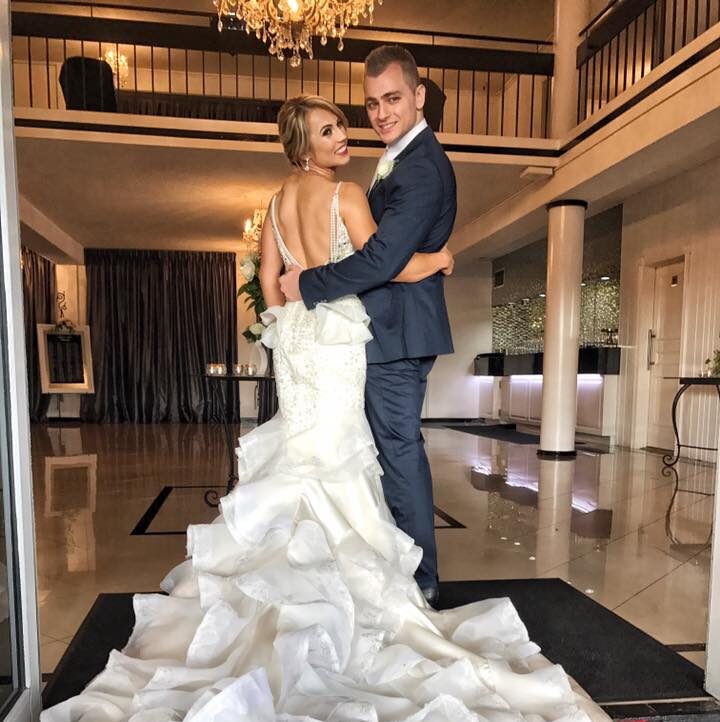
As a wedding expert, I’ve had the privilege of guiding countless couples through the wedding planning process. One thing I always stress is how important it is to properly handle wedding dress storage and preserve the wedding dress. A wedding gown is much more than just a dress—it’s a symbol of the day, a keepsake, and often a cherished heirloom passed down through generations. I’ve worked with many brides who have shared how special it is to keep their wedding gown for years after the wedding, whether it’s to wear it again, pass it down, or simply keep it as a memento.
Through my years of experience, I’ve picked up a few key insights on how to best preserve the wedding dress for future use. Whether your bride is wearing a vintage wedding dress, a mermaid wedding dress, or a classic satin wedding dress, here are the five key steps I advise my clients to follow:
Before the Wedding: Proper Storage for Your Wedding Gown
It’s often easy to focus on how stunning the dress will look on the big day, but I always remind my clients that proper storage before the wedding is just as crucial. From the moment the dress is delivered to how it’s stored before the wedding, there are steps that can significantly impact its condition over time.
The Plastic Problem
One of the first things I tell my clients when they receive their dress is to remove it from the plastic immediately. While it might seem harmless at first, plastic bags are a disaster for delicate wedding gowns. They trap moisture, prevent airflow, and emit gases that can cause yellowing and deterioration. This is especially true for dresses made of delicate fabrics like lace, silk, or satin. I remember one bride who brought her dress to me a week before the wedding, still wrapped in plastic from the store, and I could already see slight discolouration starting to form along the seams.
I advise my clients to store the dress in a breathable fabric garment bag or even cotton sheets—anything that allows air to circulate while protecting the gown from dust or dirt. These simple steps go a long way in keeping the fabric fresh.
Hanging vs. Flat Storage: What Works Best?
When it comes to storage before the wedding, the decision between hanging and flat storage can make a big difference. I’ve worked with brides who are unsure of whether to hang their dress or store it flat, and my advice is based on the weight and style of the gown.
For light wedding dresses, such as satin wedding dresses or simpler A-line wedding dresses, hanging can be an option—but it’s vital to use a sturdy, padded hanger and to avoid placing undue weight on delicate straps. I always recommend ensuring the gown is hung with loops or straps that distribute the weight evenly.
For heavier dresses like ball gown wedding dresses, or those with intricate details like heavy beading or multiple layers, I always suggest flat storage. The weight of the fabric can stretch the gown out and distort its shape if hung for long periods. A simple yet effective solution is to store it flat in a breathable garment bag or wrapped in a cotton sheet. This helps to keep the shape intact and reduces stress on the fabric.
After the Wedding: Why Timing Matters in Preservation
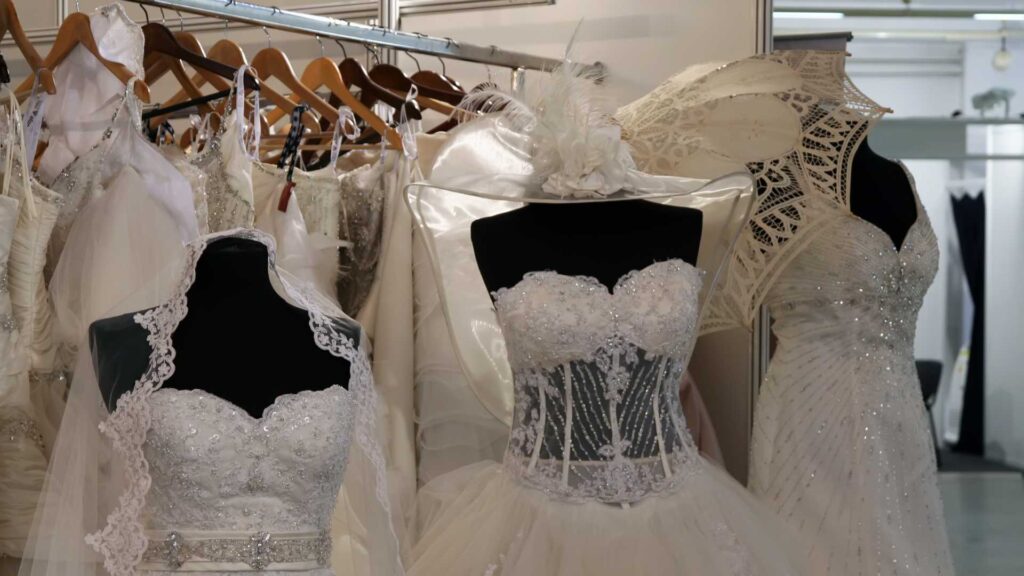
Once the wedding day has passed, there’s often a temptation to simply put the dress away and deal with it later. However, I always advise my clients that timing is everything when it comes to preserving the dress. The sooner they take action, the better.
The Importance of Immediate Cleaning
The first thing I tell my clients after the wedding is to have the dress cleaned as soon as possible. Even if there are no visible stains, sweat, body oils, and even invisible spills can cause significant damage if left untreated. In my experience, stains that aren’t immediately addressed can set in and become nearly impossible to remove. A bride once told me that she waited a full month before getting her gown cleaned. Unfortunately, the stains from champagne and body oils turned yellow, and although the gown was still beautiful, it wasn’t in its pristine condition anymore.
Cleaning should be done professionally. I always recommend a cleaning service that specialises in wedding gown preservation. They know exactly how to handle delicate fabrics, intricate beadwork, and other embellishments without damaging the gown. The quicker the dress is cleaned, the less chance there is of stains setting and causing permanent damage.
Professional vs DIY Cleaning: What’s Best?
While there are DIY options available, I strongly advise against attempting to clean the wedding dress yourself. Wedding gowns are intricate, and even the smallest mistake can ruin a delicate fabric. I’ve seen brides attempt to clean their own dresses with store-bought kits, only to find that they’ve damaged the fabric or left watermarks on the dress.
A professional wedding gown cleaner uses specialised cleaning methods to safely treat stains and fabric, and they have access to tools and cleaning solutions that are gentle on delicate fabrics like silk, lace, and organza. For example, when cleaning my client’s custom wedding dress, which had a beautiful lace overlay, the professional cleaner was able to use a delicate wash that didn’t affect the lace at all. If my client had attempted to clean herself, she could have ended up with damaged lace or permanent yellowing.
Proper Wedding Dress Storage: Methods That Work
Once your dress is cleaned and ready for preservation, it’s time to store it properly. In my experience, storage is often the most critical part of preservation. After all, even the best cleaning job won’t help if the dress is stored incorrectly.
Hanging vs Flat Storage: Which Is Best?
When it comes to long-term storage, I always recommend flat storage for the majority of wedding dresses, especially those with multiple layers or heavier fabric. Hanging a dress for an extended period can stretch out seams, distort the shape, or cause fabric sagging. This is particularly problematic for heavy wedding dresses, like ball gowns or mermaid wedding dresses.
In contrast, if you have a lightweight satin wedding dress or something with minimal embellishments, it’s usually fine to hang it in a sturdy, padded garment bag. But the key here is not to hang it too long. The longer a gown hangs, the greater the risk that the fabric will stretch and lose its shape. Always ensure that it is supported properly by loops and that the dress is not pulling on the straps.
Choosing the Right Container and Materials for Your Gown
The container you store the gown in is just as important as how you store it. For long-term preservation, I always recommend acid-free boxes. These boxes help protect the gown from exposure to light, dirt, moisture, and air, elements that can cause the fabric to deteriorate.
I explain to my clients that plastic is the enemy when it comes to long-term storage. Plastic bags or plastic covers can trap moisture and cause yellowing, mildew, and discolouration. Instead, opt for breathable fabrics like muslin or cotton sheets to store the gown. I also recommend acid-free tissue paper between the folds of the gown to prevent permanent creasing. The tissue paper ensures that delicate embellishments like lace or beads aren’t damaged or distorted during storage.
In one instance, a client of mine was unsure about storing her gown in an airtight box. After we discussed the pros and cons, I suggested a breathable, acid-free box that offered the best protection without sealing the gown completely from airflow. This gave her peace of mind that the fabric would stay intact without risking moisture buildup from a completely sealed container.
Handling, Maintenance, and Regular Inspections: Keeping Your Dress Safe
Once the wedding dress is properly cleaned and stored, it’s not a set-and-forget situation. In my experience, regular maintenance and careful handling are vital in ensuring your bride’s dress stays in pristine condition long after the big day.
How to Handle Your Wedding Gown Without Causing Damage
One thing I always stress to my clients is the importance of clean hands or, better yet, clean white cotton gloves when handling the gown. This simple practice ensures that oils from the skin, lotions, perfume, or even nail polish don’t transfer to the fabric, which could lead to stains or discolouration.
For example, I had a client who insisted on handling her dress frequently before storing it, and while the dress was in perfect condition when it was first cleaned, some makeup and lotion residue were transferred to the bodice from regular handling. Fortunately, we were able to clean it, but this could have been avoided with the right precautions.
Another thing I suggest is to minimise the number of times the dress is handled. Every time it’s moved or touched, there’s the potential for snags, tears, or damage. If the bride absolutely has to try it on or check the fit, I recommend that she remove any makeup or deodorant beforehand to avoid any accidental stains.
How to Inspect and Maintain Your Dress Year After Year
The work doesn’t stop after the dress is stored away, though. I always advise my clients to check on the gown every 6 months to a year, even if it’s tucked away safely. Why? Because the longer you leave a gown in storage without checking, the more likely it is for small issues to go unnoticed and become bigger problems.
Periodically unpacking and re-packing the dress is a great way to prevent creasing from becoming permanent. I once had a bride who stored her dress for a few years without checking, and when she took it out, there were some deep creases in the fabric that could have been avoided with periodic inspections. It’s not just about looking for stains; it’s about catching potential issues early, like moisture or pest damage, before they become a serious problem.
If you live in a humid climate, like parts of Queensland, it’s especially important to check for any signs of mildew or mould. I always suggest placing silica gel packets or moth repellent (such as lavender or cedar) in the storage box to help keep moisture levels low and ward off pests.
Professional Preservation vs DIY: Which Option Is Best?
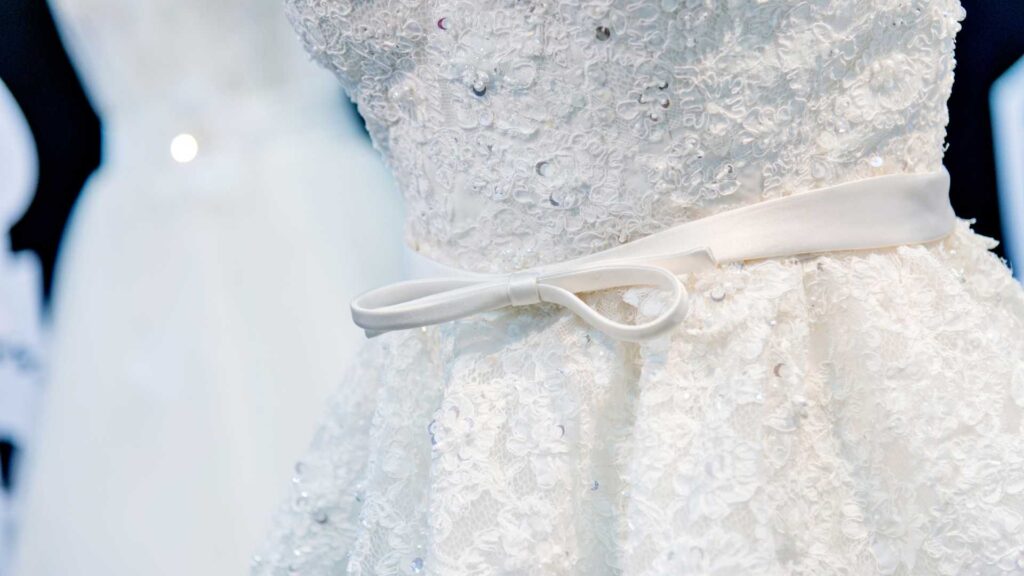
By now, you might be wondering whether you can preserve your wedding dress yourself or whether it’s worth investing in a professional service. In my experience, I always recommend professional preservation for the best results.
Why Professional Preservation Is Worth the Investment
A professional preservationist uses specialised techniques and archival-quality materials that aren’t typically available to the average person. They understand the intricacies of cleaning and handling delicate fabrics, such as silk, lace, or satin, and they know how to treat embellishments like beading or sequins without causing damage.
For example, a professional cleaner will often assess your dress before beginning the cleaning process, noting any stains, delicate areas, or potential issues that need extra care. They’ll treat the gown with gentle cleaning solutions that are safe for the fabric and ensure that it’s preserved in the best possible condition. This level of attention to detail is why I always recommend professional services, particularly for designer wedding dresses or custom wedding gowns.
DIY Preservation: What Are the Risks?
While DIY preservation might seem like an easy and affordable option, it comes with a range of risks. As I mentioned earlier, wedding gowns are intricate, and attempting to clean or store them improperly can lead to discolouration, fabric damage, or even permanent stains.
For example, I’ve had clients try DIY cleaning kits on vintage wedding dresses with delicate fabrics, and the results were disastrous—fabric tears and yellowing where the cleaner was too harsh. Wedding dress preservation isn’t just about washing the fabric; it’s about understanding the materials, the embellishments, and the proper techniques required for each unique gown.
Professional cleaners also know how to pack the dress using acid-free tissue, breathable garment bags, and archival boxes, which is key to ensuring long-term preservation.
What to Avoid When Storing Your Wedding Dress
While there’s a lot to remember when it comes to storing and preserving a wedding dress, there are also a few things you definitely want to avoid. I always make sure to highlight these common mistakes so that my clients don’t inadvertently ruin their gowns.
Common Mistakes That Can Ruin Your Wedding Gown
One of the most frequent mistakes I see is storing the dress in a plastic bag or plastic garment cover. As I mentioned earlier, plastic traps moisture and prevents the dress from breathing. This leads to yellowing, mould, and discolouration. I remember a bride I worked with who decided to store her dress in a plastic bag she had kept from the store, thinking it would be safe. By the time she took it out a year later, the fabric had become stiff and yellowed.
Another mistake is using non-acid-free tissue paper. It’s easy to think that regular tissue paper will do the trick, but over time, acidity from regular tissue paper can react with the fabric, causing damage and deterioration. Always opt for acid-free tissue paper when wrapping the gown for storage.
Lastly, I always advise against hanging heavy dresses for long periods. For ball gowns or dresses with intricate embellishments, hanging can cause the fabric to stretch and lose its shape. Always store heavy dresses flat, ensuring that any delicate details are cushioned and protected.
Avoiding the Use of Adhesives and Tape on Your Wedding Dress
I’ve seen brides attempt to fix a loose embellishment or secure a part of their dress using tape or adhesives, but these can cause permanent damage to the fabric. I always make sure to remind my clients: never use tape or adhesives on your wedding dress. The chemicals in adhesives can break down the fabric, cause discolouration, and leave marks that are impossible to remove. If your dress has loose embellishments or needs repairs, always seek out a professional seamstress who specialises in bridal gowns.
Additional Tips to Ensure Long-Term Preservation of Your Wedding Dress
There’s more to preserving your wedding dress than just proper cleaning and storage. I always make sure to offer my clients a few extra tips to help maintain the gown for years to come.
Special Care for Different Fabrics and Dress Styles
Every dress is unique, and the fabric and design can influence how you should care for it. Whether the bride has opted for a vintage wedding dress, a strapless wedding dress, or a boho wedding dress, different materials require different care methods.
- Silk, Satin, and Chiffon: These delicate fabrics need special attention to avoid tearing or fraying. I recommend gentle handling and proper storage in an acid-free box to avoid exposure to moisture.
- Lace and Tulle: These fabrics are beautiful but can be easily damaged. I advise my clients to store lace gowns flat and use acid-free tissue paper to protect delicate lacework.
- Heavier fabrics like organza or brocade require extra care during storage as well to keep the fabric’s integrity and prevent distortion.
Different styles, like mermaid wedding dresses or ball gowns, can have specific preservation needs. I always take the time to advise each bride on the best way to store her gown based on fabric type and design.
The Role of Accessories in Wedding Dress Preservation
While it’s common to focus on the dress itself, accessories are just as important when it comes to preservation. I always remind my clients that veils, shoes, and jewellery should also be cleaned and stored properly.
- Veils: If your bride is keeping her veil as part of her wedding dress preservation, make sure it is cleaned and stored separately, wrapped in acid-free tissue paper. I recommend storing the veil in the same archival box as the gown, but in its own protective cover to avoid snags.
- Wedding Shoes: Leather shoes need special care to avoid cracking and drying out. I suggest wrapping shoes in soft tissue paper and storing them in a separate compartment within the storage box. If the bride’s shoes have delicate fabrics, like satin, they should also be carefully stored with acid-free tissue.
By properly storing the accessories along with the dress, you ensure that every part of the ensemble stays in perfect condition.
What Does Wedding Dress Preservation Cost?
When it comes to wedding dress preservation, many brides ask about the cost. In my experience, it’s essential to factor this into the wedding budget, as preserving a dress is an investment in both memories and the future.
How Much Does Professional Wedding Dress Preservation Cost?
Professional wedding dress preservation services generally range from AU$200 to $600 in Australia, depending on the complexity of the dress and the services offered. For high-end designer wedding dresses or custom wedding gowns, the price can go up to $1,000 or more. The cost varies based on factors like:
- The type of fabric
- The amount of cleaning required
- Whether any repairs or alterations are needed
I always advise my clients to get quotes from multiple preservationists and check reviews from other brides to ensure they are getting the best service at a fair price. While it might seem like a big investment, preserving the wedding dress ensures it stays in great condition for years to come and is passed down in perfect shape to future generations.
Ensuring Your Wedding Dress Stays Beautiful for Years to Come
Preserving a wedding dress isn’t just about keeping it safe for the big day. It’s about making sure it stays beautiful, intact, and ready for future generations. From immediate cleaning to proper storage, every step counts in keeping the gown in pristine condition.
By following the steps I’ve outlined, your bride can rest easy knowing that her dress will be beautifully preserved. Whether it’s for a future daughter’s wedding or simply to look back on as a reminder of the big day, the gown will stay as timeless as the memories created on that special day.
Let’s Get Straight to the Point
Preserving and storing a wedding dress properly is crucial to maintaining its pristine condition for years to come. Start by removing it from plastic and using breathable storage like cotton sheets or garment bags before and after the wedding. Immediate cleaning by a professional is essential to remove stains, while flat storage in an acid-free box is the best method for long-term preservation. Regular inspections and handling with care will prevent damage. For best results, always rely on professional preservation services, especially for delicate or designer gowns. Proper care ensures the dress stays a timeless piece, whether it’s passed down or cherished for future memories.