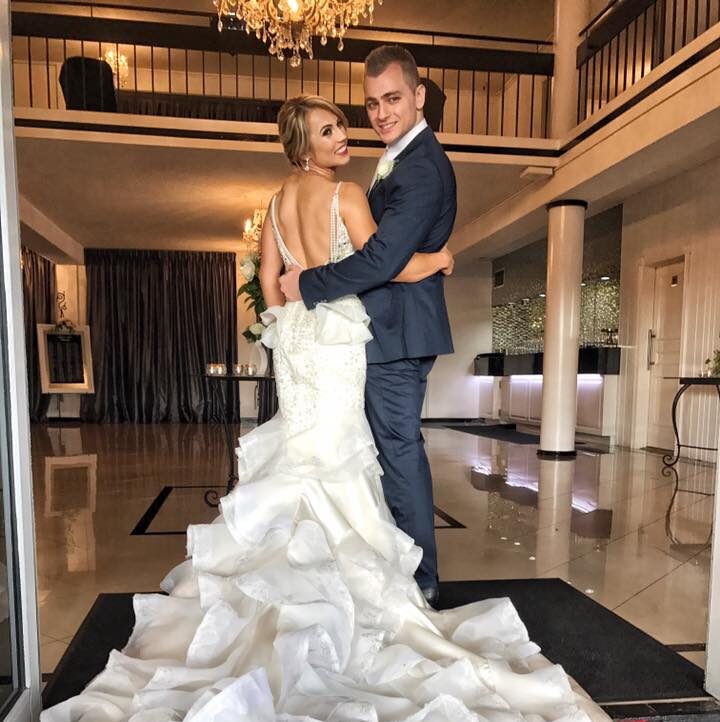
When two people decide to commit their lives to each other, the way they choose to celebrate that bond can vary greatly. For many couples in Australia, the idea of a traditional, legal wedding doesn’t align with their values or desires. Choosing the best wedding venue Melbourne for a commitment ceremony can enhance the experience, providing a beautiful, meaningful backdrop for couples to express their love and commitment without the legal formalities.
A commitment ceremony is all about celebrating the emotional and personal connection between partners. While it mirrors many aspects of a wedding—vows, rings, celebrations—it doesn’t require any government paperwork or alter your legal marital status. This means no filing of forms, no marriage certificate, and no official recognition by the state.
So, why do so many couples in Australia opt for a commitment ceremony? Well, there are numerous reasons, whether it’s personal beliefs, financial considerations, or simply the desire to celebrate love without the burden of legalities. In this guide, we’ll explore everything you need to know about commitment ceremonies in Australia, from their key differences to legal implications, and why they’re becoming such a popular choice for couples seeking something more personal and meaningful.
What Is A Commitment Ceremony?
A commitment ceremony is a deeply personal, symbolic celebration where two individuals publicly declare their love and commitment to each other. However, unlike a legal wedding, it doesn’t change your legal marital status—it’s purely a celebration of the relationship itself. For many, this is an appealing option because it allows them to focus on the emotional significance of the union without any legal formalities.
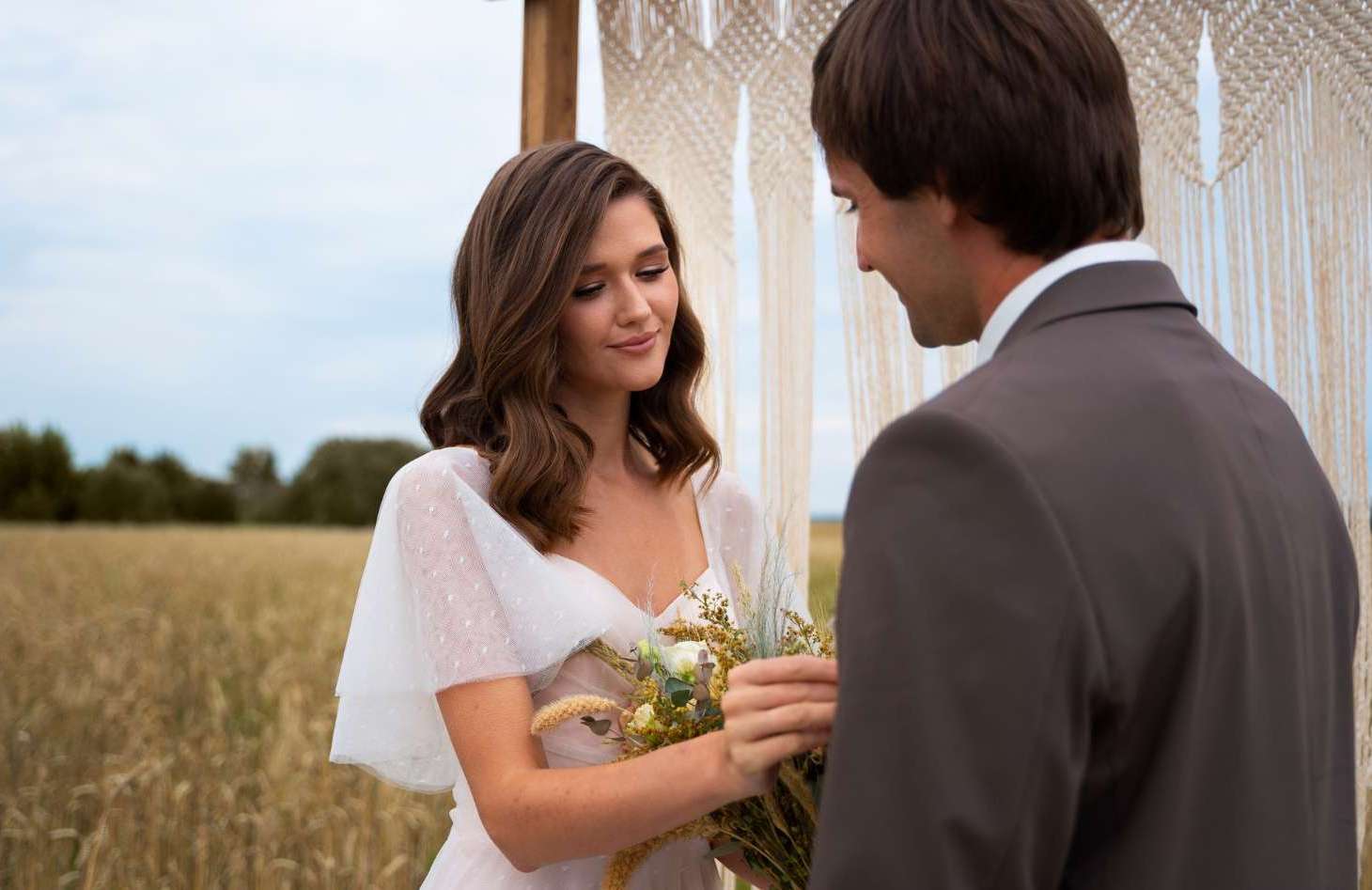
Picture this: a couple standing before their friends and family, exchanging heartfelt vows, sharing their dreams for the future, and sealing the moment with a kiss. While the ceremony can feel very much like a wedding, there’s no legal paperwork involved, no Notice of Intended Marriage (NOIM) to file, and no change to your relationship status under the law.
So, why choose a commitment ceremony? Some couples might feel that traditional marriage doesn’t reflect their values or lifestyle. Others might simply prefer to celebrate their love in a more meaningful, flexible way. There are plenty of reasons why a commitment ceremony might be the perfect fit.
Commitment Ceremony Vs. Legal Wedding: Key Differences
It’s essential to distinguish between a commitment ceremony and a legal wedding—particularly if you’re considering one of these symbolic ceremonies for yourself. Below, we compare the two side by side to highlight their key differences:
| Feature | Commitment Ceremony | Legal Wedding |
| Legal Status | Symbolic only; no change in marital status. | Legally binding contract recognised by the government. |
| Paperwork | None required; no government forms are filed. | Requires a Notice of Intended Marriage (NOIM) one month prior. |
| Officiant | Anyone can officiate (a friend, a relative, or a celebrant). | Must be an authorised celebrant or government official. |
| Location | Anywhere (parks, beaches, private homes). | Anywhere in Australia, subject to legal requirements. |
| Mandatory Words | Fully customisable; no legal wording required. | Must include the Monitum and specific legal vows. |
As you can see, the biggest distinction is that a commitment ceremony offers complete flexibility. There are no legal restrictions on location, officiants, or ceremony content. For couples looking to create a unique, heartfelt ceremony that reflects their values, this is a significant advantage.
For example, let’s say a couple wants to have a small, intimate ceremony on a secluded beach in Queensland with their closest friends and family. They may choose to be married by a close friend who has become a celebrant, or perhaps even ask a family member to officiate. The ceremony itself can be tailored to reflect the couple’s personal journey, with no legal jargon or mandatory vows.
On the other hand, a legal wedding comes with strict guidelines and requirements—such as the Monitum (a legal declaration that must be read aloud) and the filing of official documents. Many couples prefer the freedom of the commitment ceremony, as it allows them to celebrate their union in their own way, without the constraints of legal obligations.
Why Do Couples Choose Commitment Ceremonies?
There’s no one-size-fits-all reason why couples opt for a commitment ceremony. But several common themes make this non-legal wedding alternative an appealing choice for many. Here are some of the top reasons couples in Australia are choosing commitment ceremonies over traditional weddings:
Financial And Benefits Considerations
In certain circumstances, couples may choose not to marry legally to retain specific financial or government benefits. For instance, someone on a government pension or receiving survivor benefits might not want to risk losing those rights by entering into a legal marriage.
Imagine a widow in her 60s who has been living with a partner for years but is hesitant to marry because doing so would cause her to lose the survivor pension she receives. In this case, a commitment ceremony would allow her to publicly declare her partnership without jeopardising those benefits.
Previous Marriages Or Relationships
For those who have been married before, the idea of entering into another legal contract may not feel right. Many people who have experienced divorce prefer the freedom of a commitment ceremony, where they can celebrate their relationship without the legal complexities or emotional baggage associated with marriage.
One couple I know had both been married before, but after years together, they wanted a commitment ceremony to mark their bond. They wanted a celebration of their partnership, but without the legal formality. They felt it gave them the freedom to define their union on their own terms.
Personal Beliefs
Some couples view marriage as an outdated, patriarchal institution or something that doesn’t reflect their beliefs about relationships. For these couples, a commitment ceremony represents the true essence of their bond—a declaration of love that is personal and meaningful, rather than a societal or legal contract.
For instance, a couple may have lived together for years, had children, and built a life together, but they don’t feel the need to marry. For them, a commitment ceremony is the perfect way to express their love without feeling they have to conform to traditional expectations.
LGBTQ+ Solidarity
While same-sex marriage is now legal in Australia, many heterosexual couples previously held commitment ceremonies to show their solidarity with friends or loved ones who could not yet legally marry. Even now, some couples may choose a commitment ceremony as a symbol of equality, especially if they have strong ties to the LGBTQ+ community.
The Role Of A Celebrant In A Commitment Ceremony
When you choose to have a commitment ceremony in Australia, the celebrant’s role remains incredibly important. Even though the ceremony is not legally binding, a celebrant ensures that everything runs smoothly and that the day feels special and meaningful.
One thing to note: celebrants must be careful not to overstep the boundaries of a non-legal ceremony. For instance, they cannot use terms like “lawfully wedded” or read the Monitum (the legal marriage declaration required for weddings). Instead, they must make it clear to all guests that the ceremony is symbolic and does not confer any legal status on the couple’s relationship.
Common Rituals And Personalisation In A Commitment Ceremony
One of the most appealing aspects of a commitment ceremony is the freedom to tailor the experience to your preferences. Since there are no legal requirements, couples can choose rituals and traditions that truly reflect their unique bond. Whether you want to stick to traditional symbols or create something entirely new, the options are endless.
Here are some popular rituals and personalisation ideas that can make your commitment ceremony stand out:
Personal Vows
Writing your own vows is a deeply personal way to express your love and commitment to each other. Unlike a traditional wedding, where vows are often standardised, a commitment ceremony allows you to focus on what truly matters to you both—whether it’s a promise to support each other through thick and thin, or a funny anecdote about your relationship.
- Example: One couple chose to incorporate humour into their vows, recalling funny moments from their early dating days. It added a light-hearted touch to an otherwise emotional moment.
Handfasting
A Celtic tradition that’s made a comeback in many modern ceremonies, handfasting involves binding the couple’s hands together with ribbons or cords, symbolising their union. This ritual is a powerful representation of “tying the knot” and is perfect for couples seeking something symbolic and meaningful.
- Tip: The choice of ribbon colours can hold personal significance, such as red for love, green for growth, or blue for loyalty.
Unity Ceremonies
Unity ceremonies are a great way to symbolise the merging of two lives into one. These rituals can be tailored to your preferences and can include:
- Sand pouring: Pouring different coloured sands into a single vessel, symbolising the blending of lives.
- Lighting a unity candle: Each partner lights a candle and then uses those candles to light a larger, single candle together.
- Tree planting: Planting a tree together as a symbol of your growing relationship, which can be kept as a memento for years to come.
- Example: One couple chose a unity tree-planting ritual, planting a native Australian tree at their ceremony. It served as both a personal symbol and a lasting physical reminder of their commitment.
Symbolic Rings
While a commitment ceremony isn’t legally binding, many couples still choose to exchange rings as a symbol of their commitment. This simple yet powerful gesture reinforces the promises made during the ceremony and serves as a tangible reminder of their bond.
- Tip: Choose rings that hold personal meaning—perhaps with an engraving that reflects your journey together.
Unique Symbolic Gestures
Couples have complete freedom to incorporate any ritual or gesture that speaks to their relationship. Here are a few unique ideas that can add a special touch to your ceremony:
- Custom music or poetry: Have a friend or family member write and perform a poem or song that speaks to your love story.
- Memory box: Write letters to each other, seal them in a box, and bury them during the ceremony to be opened at a later date.

Legal Status And De Facto Relationships In Australia
Although a commitment ceremony does not legally change your status, many couples eventually transition into de facto relationships under Australian law. A de facto relationship occurs when two people live together on a domestic basis but are not legally married.
What Is A De Facto Relationship?
In Australia, a de facto relationship is recognised by the government if:
- The couple has lived together for at least two years, or
- The couple has a child together.
As a de facto couple, you are afforded many of the same legal rights and protections as married couples, including:
- Child custody and parenting rights under the Family Law Act.
- Property division rights in the event of a separation.
- Tip: If you’ve had a commitment ceremony but are in a de facto relationship, you may need to provide evidence of cohabitation, shared finances, and other factors to prove your relationship status.
What Legal Rights Do De Facto Couples Have?
As a de facto couple, you are entitled to many of the same rights as married couples, such as:
- Property division: If your relationship ends, you have the right to claim a share of property.
- Parenting arrangements: In the case of separation, both parties have equal rights to seek custody of children, subject to the best interests of the child.
- Superannuation rights: You may be entitled to a portion of your partner’s superannuation in the event of a separation.
However, unlike married couples, de facto couples do not automatically have the same inheritance rights. To ensure your wishes are respected, it’s essential to have additional legal protections in place.
Recommended Legal Protections For Commitment Ceremony Couples
While commitment ceremonies are wonderful ways to celebrate love and partnership, they don’t provide the automatic legal protections that marriage does. If you’ve chosen a commitment ceremony, there are a few key legal documents you should consider to ensure both you and your partner are protected.
Last Will And Testament
A commitment ceremony does not automatically confer inheritance rights, so it’s crucial to have a will in place to ensure your partner is protected if something were to happen to you.
- Tip: If you don’t have a will, your estate could be distributed according to the laws of intestacy, which may not reflect your wishes.
Power Of Attorney
Having a power of attorney in place ensures that your partner can make medical or financial decisions on your behalf if you become incapacitated. Without this document, the government or a third party may step in.
Cohabitation Agreement
A cohabitation agreement outlines how assets, debts, and other financial matters will be handled if the relationship ends. This legal document can help avoid disputes and clarify each partner’s rights and responsibilities.
- Example: A couple who owns a home together may include a clause in their cohabitation agreement outlining who will keep the property in the event of a separation.
Costs Of A Commitment Ceremony In Australia
The cost of a commitment ceremony in Australia varies depending on factors like location, celebrant fees, and additional services like custom scripts or rituals. On average, you can expect to pay between $400 and $550 for a professional celebrant to conduct the ceremony.
Here’s what’s typically included in this cost:
- Initial consultation to discuss the ceremony details.
- Personalised script that reflects your unique story and vows.
- Commemorative certificate (non-legal).
- Rituals and symbolic gestures are included in the ceremony.
If you’re looking to include additional services, such as musicians or custom decorations, the cost may rise. However, compared to the cost of a legal wedding, which can run into the thousands, a commitment ceremony is often a more affordable and intimate way to celebrate your love.
Whether you’re looking for a more flexible alternative to a traditional wedding or simply want to declare your commitment to each other without the need for official paperwork, a commitment ceremony can be the perfect option.
Though not legally binding, a commitment ceremony can still hold immense emotional value, allowing couples to create lasting memories and reaffirm their bond in front of their loved ones. Whether you’re having an intimate gathering on a beach or a grand celebration in a beautiful venue, the flexibility of a commitment ceremony allows you to design an event that truly speaks to your relationship.