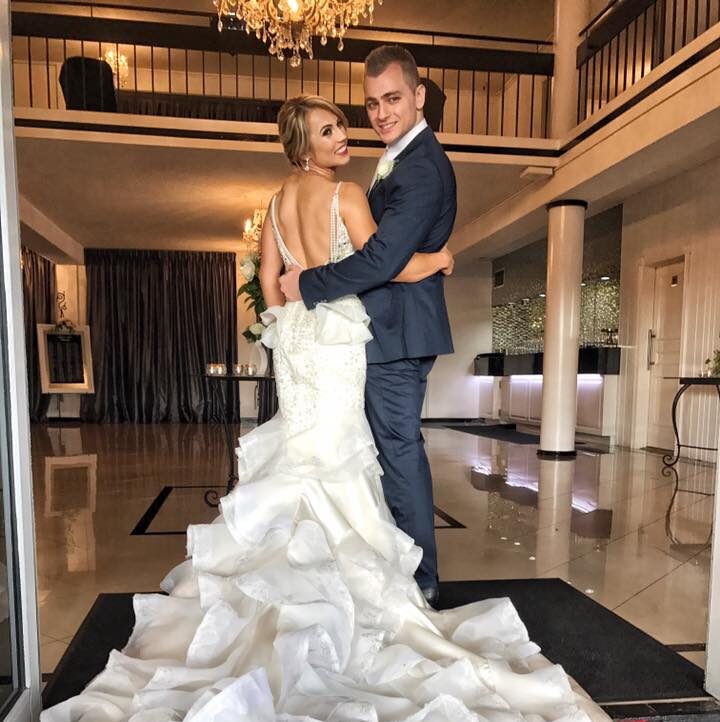
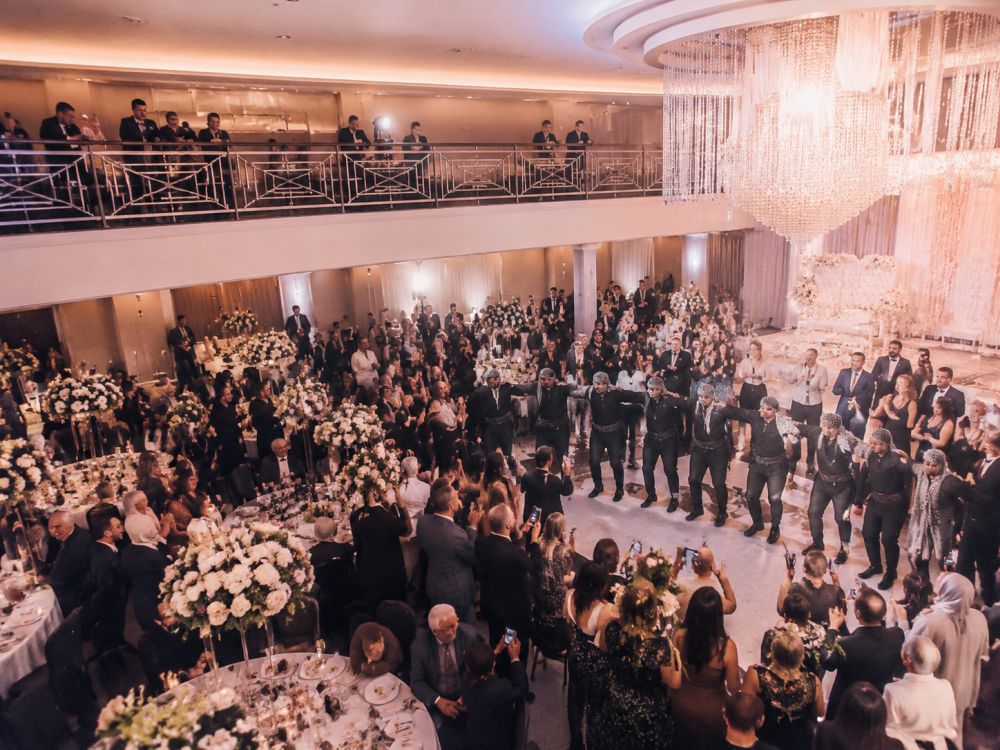
A few years ago, I stood on a mezzanine balcony overlooking a wedding reception in Melbourne. Down below, a Lebanese Dabke line snaked across the dance floor while guests waited for a Chinese Lion Dance to begin. Grandparents chatted in three different languages.
The kitchen prepared both traditional family recipes and modern Australian dishes. Watching it all unfold, I realised this is what Melbourne weddings do best. They bring different cultures together in one room and somehow make it feel completely natural.
Why Melbourne Couples Are Redefining Modern Wedding Traditions
Melbourne is one of Australia’s most culturally diverse cities, so it’s no surprise that multicultural wedding Melbourne celebrations have become increasingly common. Many couples today come from different cultural backgrounds, while others share a heritage but want to blend traditional customs with modern Australian wedding styles.
What makes these weddings special is that there is no single formula.
I’ve worked with couples where one family expected a traditional tea ceremony while the other imagined a Western-style reception with a live band and cocktail hour. Instead of choosing one over the other, they found ways to include both.
That approach often creates the most meaningful celebrations.
Two Families, Two Cultures, One Celebration
At their core, multicultural weddings are about bringing people together.
The challenge is finding a balance between honouring family traditions and creating a day that feels authentic to the couple.
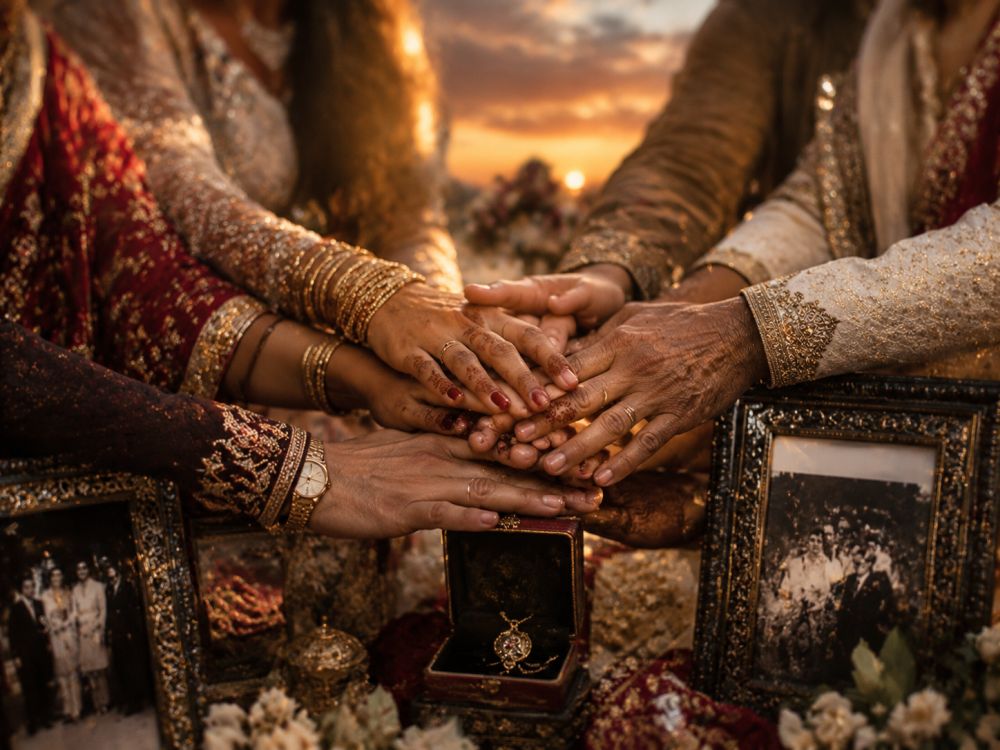
For example, a Melbourne bride with Malaysian heritage may want to incorporate batik-inspired styling, while her Australian partner prefers a classic ballroom reception. Rather than competing ideas, these elements can complement one another beautifully.
Some of the most successful receptions I’ve seen included:
- Traditional cultural ceremonies before the reception
- Modern Australian wedding styling
- Family recipes incorporated into the menu
- Multiple languages used during speeches
- Music representing both family backgrounds
- Cultural attire changes throughout the evening
The result feels personal rather than forced.
Why Multicultural Weddings Often Feel More Memorable
Guests remember experiences.
A standard reception may follow a familiar timeline. Multicultural weddings often surprise guests with traditions they have never witnessed before.
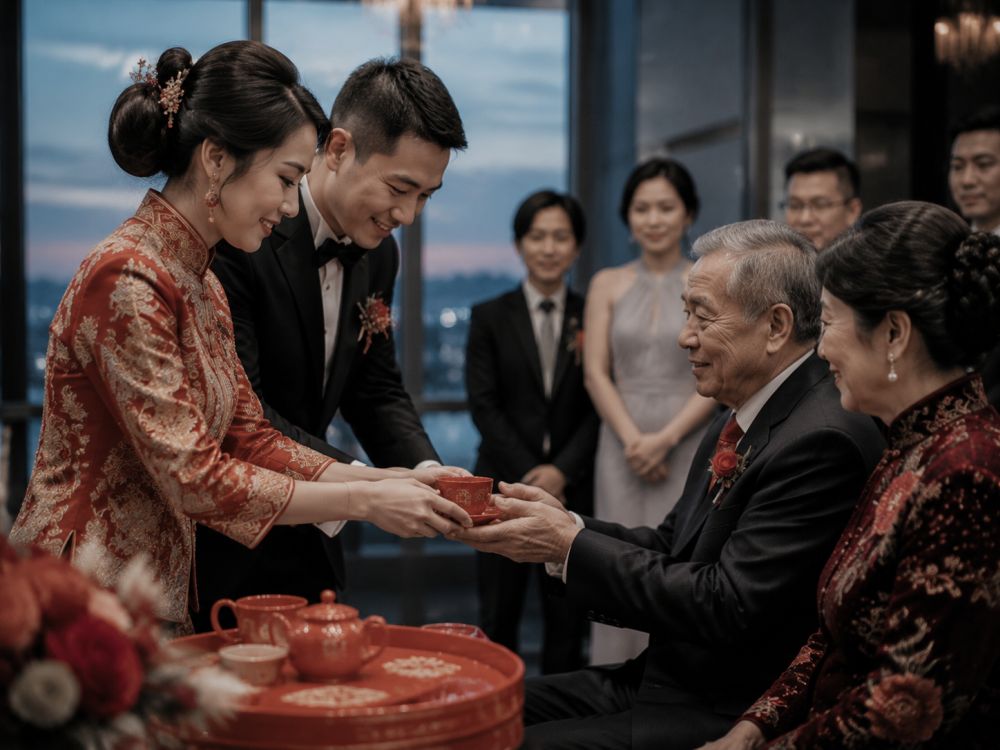
I remember one reception where a Chinese tea ceremony took place before dinner service. Many guests had never seen one before. The bride’s grandparents explained the symbolism behind the ritual, and suddenly the entire room became emotionally invested.
Those moments create lasting memories.
As the old saying goes, it’s the little things that leave the biggest impression.
| Traditional Reception Feature | Multicultural Reception Alternative |
| Standard entrance | Cultural procession or family entrance |
| Single cuisine | Fusion or dual-culture menu |
| One wedding outfit | Multiple outfit changes |
| Standard entertainment | Cultural performances and music |
| Single-language speeches | Multi-language celebrations |
The Planning Decisions That Shape Everything Later
Most couples focus on flowers, food, and decorations first.
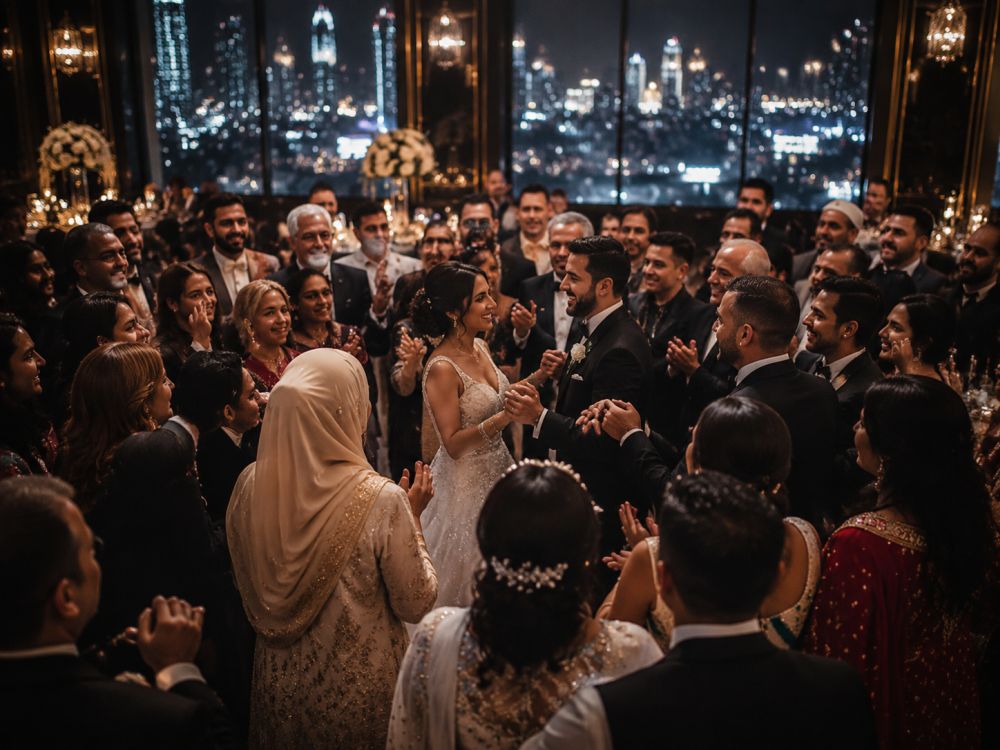
In reality, multicultural receptions usually succeed or struggle based on decisions made months earlier. The earlier you discuss family expectations, the smoother the planning process becomes.
Should You Host One Celebration Or Multiple Events?
One of the first questions couples face is whether to combine everything into one event or separate cultural traditions across several days.
There isn’t a right answer.
Some Melbourne couples host:
- A traditional ceremony on one day
- A cultural celebration with extended family
- A separate reception focused on friends and colleagues
Others combine everything into a single reception.
| Option | Benefits | Challenges |
| Single Event | Lower costs, simpler logistics | Tighter schedule |
| Multiple Events | More time for traditions | Larger budget |
| Multi-Day Wedding | Rich cultural experience | More planning required |
In my experience, larger multicultural weddings often benefit from spreading events across two days. This prevents the reception from feeling rushed and gives guests time to enjoy each tradition properly.
I’ve seen Indian-Australian weddings hold a Mehndi night on Friday, a ceremony on Saturday morning, and a reception on Saturday evening. By separating the events, nobody feels like they’re racing against the clock.
Conversations Every Couple Should Have Early
Many wedding planning headaches can be avoided with a few honest discussions.
Before booking a venue, sit down with key family members and discuss:
- Which traditions are most important?
- Will family members contribute financially?
- Are there religious requirements?
- How many guests are expected?
- Will speeches need translation?
- Are there cultural food requirements?
I’ve seen guest lists increase by 100 people overnight simply because extended family expectations were not discussed early enough.
That can dramatically change venue requirements and budget planning.
Helping Guests Understand Cultural Traditions
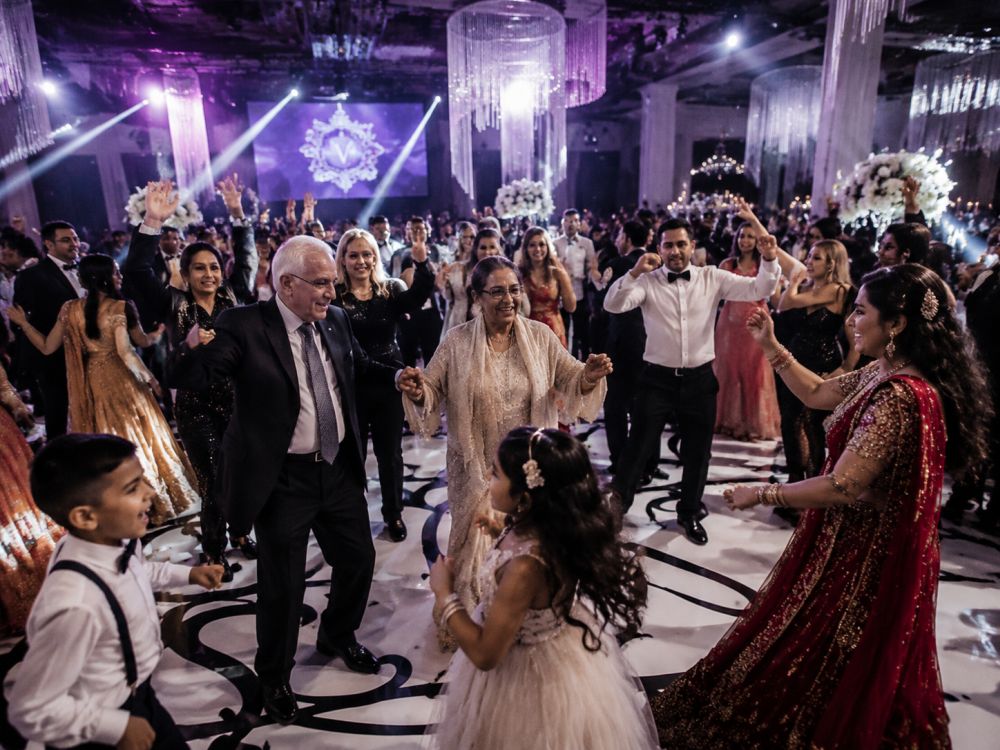
Not every guest will understand every tradition.
That is perfectly fine. The goal is inclusion, not education.
Many Melbourne couples now use wedding websites or reception booklets to briefly explain important customs. Some even include QR codes that link to a wedding itinerary so guests know exactly what to expect throughout the day.
For example: “The tea ceremony is a traditional way of showing gratitude and respect to parents and grandparents.”
A simple explanation helps guests feel connected to the experience instead of feeling like outsiders.
For multilingual families, I often recommend including key information in both languages. It’s a small touch, but it can make grandparents, overseas relatives, and family friends feel genuinely welcome.
Choosing A Melbourne Venue That Can Bring Multiple Traditions Together
The venue often determines how much flexibility you have.
A multicultural reception usually requires more than a ballroom and a dance floor. Different traditions may need separate spaces, unique setups, or additional time throughout the day.
That’s why many Melbourne couples look beyond appearance and focus on functionality.
Space Requirements Most Couples Don’t Consider Until It’s Too Late
A reception may look straightforward on paper.
In reality, multicultural celebrations can involve several moving parts.
For example:
- A tea ceremony before guest arrivals
- A cultural blessing with immediate family
- A grand entrance procession
- Live entertainment performances
- Outfit changes during the reception
- Traditional dances involving large groups
Each element requires space and planning.
I once worked with a couple who wanted a Lebanese Zaffa entrance, followed by a Samoan dance performance later in the evening. The venue needed enough room for both traditions without disrupting dinner service.
That’s where experienced coordinators earn their keep.
Why Guest Numbers Are Often Larger Than Expected
One thing I’ve learned after decades in the wedding industry is that multicultural weddings rarely have small guest lists.
Family networks tend to be larger. Community connections are stronger. Extended relatives often travel interstate or overseas to attend. It’s common for guest numbers to sit between 150 and 250 people, while some celebrations exceed 400 guests.
When comparing venues, consider more than seating capacity.
Use this quick checklist:
Venue Checklist For Multicultural Weddings
- Dedicated ceremony and reception spaces
- Large dance floor
- Flexible floorplan
- Ample free parking
- Easy freeway access
- Experienced event coordinator
- Multiple catering options
- Space for cultural performances
- Private bridal suite
- Accessibility for elderly guests
Melbourne’s weather can also play a role. Outdoor ceremonies are beautiful in spring and summer, but having an indoor backup plan is always wise. Anyone who has planned an event during a Melbourne weather change knows how quickly sunshine can turn into rain.
Food Becomes A Celebration Of Family History
Ask guests what they remember most from a wedding, and food will almost always make the list. In multicultural receptions, food often tells a story.
I’ve watched families become emotional when a dish reminds them of childhood celebrations, family gatherings, or a grandparent’s cooking. Those moments connect generations in a way that flowers and decorations simply can’t.
Bringing Two Culinary Traditions To The Same Table
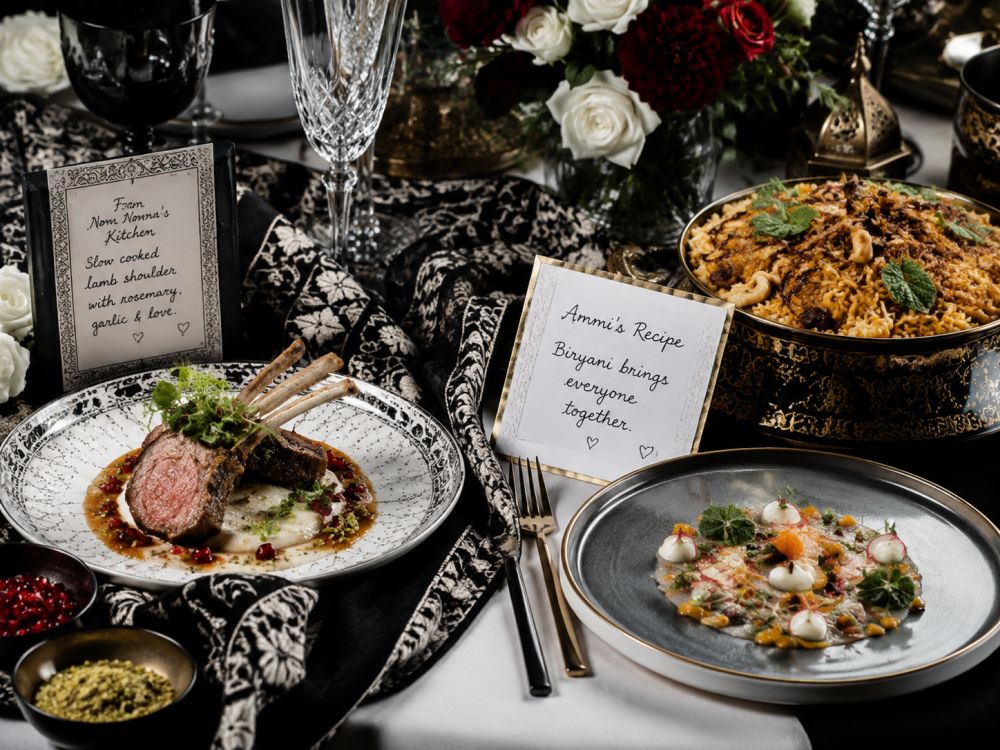
Modern couples rarely feel restricted to one cuisine. Instead, they create menus that reflect both sides of the family.
A reception might include:
| Family Backgrounds | Menu Combination |
| Greek & Australian | Shared platters with modern Australian mains |
| Indian & Australian | Traditional curries alongside Western entrées |
| Chinese & European | Banquet dishes paired with plated courses |
| Middle Eastern & Australian | Mezze selections followed by contemporary mains |
One couple I worked with combined their Italian family recipes with Lebanese-inspired dishes. Guests spent half the evening discussing the food because many had never experienced those flavours together before.
Catering For Different Cultural And Dietary Requirements
Food planning becomes more detailed when cultural traditions are involved.
Many multicultural weddings need to accommodate:
- Halal requirements
- Vegetarian guests
- Vegan meals
- Nut allergies
- Religious dietary preferences
- Children’s meals
This is why experienced catering teams matter. The best venues understand that every guest should feel included, regardless of dietary needs.
Why Interactive Food Stations Are Growing In Popularity
One trend I’ve noticed across Melbourne is the rise of interactive food experiences.
These stations encourage guests to mingle while celebrating cultural heritage.
Popular options include:
- Live dessert stations
- Traditional sweet displays
- Freshly prepared street food
- Regional family recipes
- Specialty coffee and tea bars
As one groom told me after his wedding: “The food station became the place where both families finally started talking to each other.”
That’s the hidden power of good wedding food.
The Traditions And Entertainment Guests Talk About For Years
Every wedding has music. Multicultural weddings often transform entertainment into a major part of the celebration itself.
The dance floor becomes more than a place to dance. It becomes a stage for family traditions, cultural pride, and unforgettable moments.
Grand Entrances That Instantly Set The Tone
Some receptions begin quietly. Others arrive with a bang.
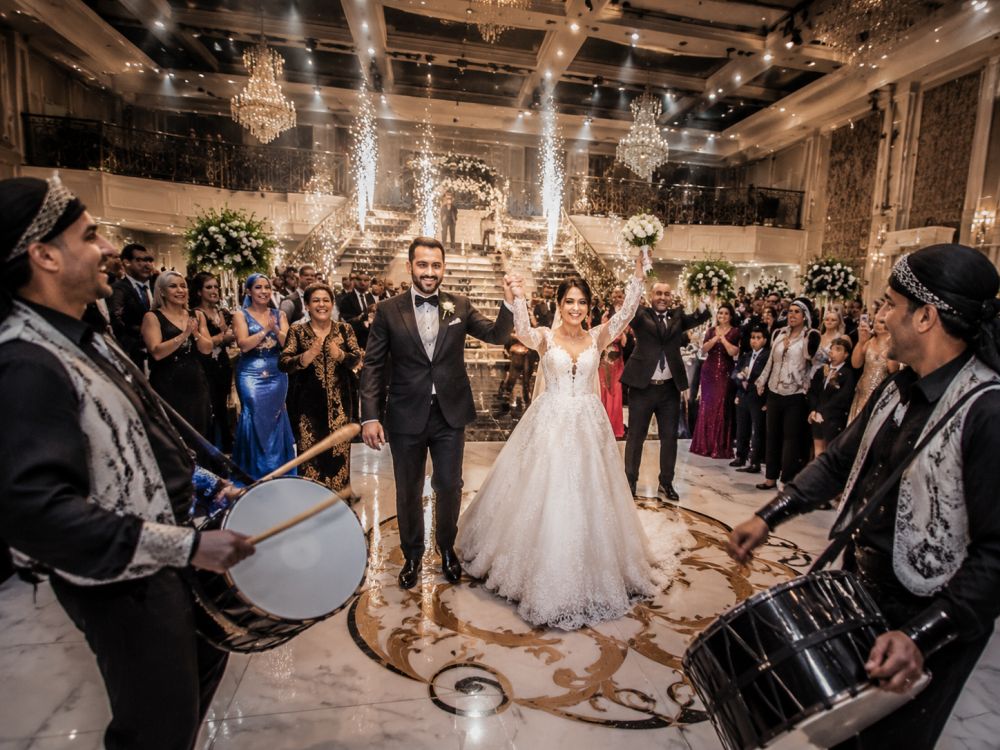
I’ve seen guests jump to their feet during:
- Indian Baraat processions
- Middle Eastern Zaffa entrances
- Traditional drumming performances
- Family entrance dances
- Cultural music performances
One Melbourne reception featured nearly 40 family members dancing into the ballroom alongside the bridal party. Before dinner was even served, the entire room felt connected.
That’s difficult to achieve through speeches alone.
Cultural Performances That Bring Generations Together
Many receptions include performances that guests may never have seen before.
Examples include:
- Chinese Lion Dances
- Dabke dancing
- Tongan cultural performances
- Samoan traditional dances
- Family singing performances
The beauty of these traditions is that they often involve multiple generations. Grandparents, parents, and children all participate together. In an age where families rarely gather in one place, those moments become priceless.
Building A Playlist That Reflects Both Cultures
Music selection can make or break a multicultural reception. The best DJs understand how to blend genres without losing momentum.
A typical reception playlist might move from:
- Traditional cultural music
- Classic wedding favourites
- Current chart hits
- Family-requested songs
- High-energy dance tracks
The goal isn’t to satisfy every guest all night. The goal is to ensure everyone hears something that feels familiar and meaningful at some point during the celebration. When that happens, the dance floor usually takes care of itself.
The Wedding Details That Blend Heritage With Modern Style
Some of the most creative multicultural weddings I’ve seen don’t rely on grand gestures. Instead, they use thoughtful details that quietly tell the couple’s story. Fashion, décor, and styling often become the bridge between cultures.
Mixing Traditional Attire With Contemporary Fashion
Many couples choose more than one outfit throughout the day.
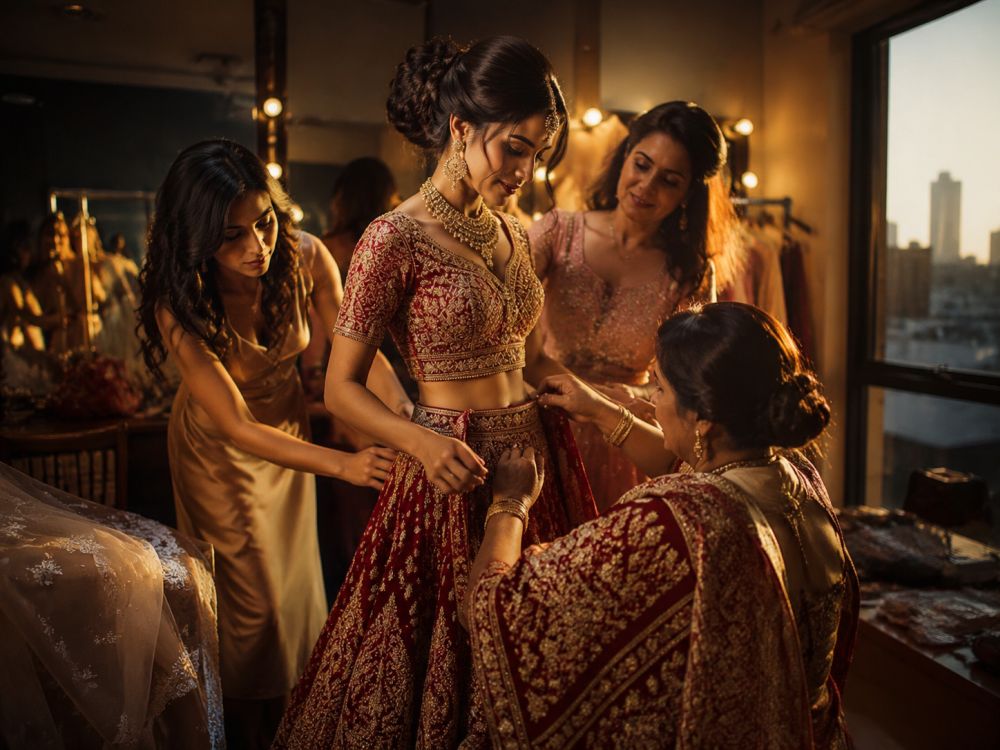
This approach allows them to honour cultural traditions while still enjoying the styles they’ve always imagined for their wedding.
A common timeline looks like this:
| Part Of The Day | Typical Attire |
| Ceremony | Western wedding gown and suit |
| Family traditions | Traditional cultural attire |
| Reception | Either traditional or modern formalwear |
| Dancing | More comfortable outfit change |
I’ve seen brides transition from a classic white gown into a Banarasi saree, while grooms swap a tuxedo for traditional cultural attire before the reception begins.
The outfit change often becomes an event in itself, with guests eagerly anticipating the reveal.
Small Cultural Touches Often Create The Biggest Impact
Many couples worry they need elaborate traditions to represent their heritage. That’s rarely true. Sometimes the most meaningful details are also the simplest.
Examples include:
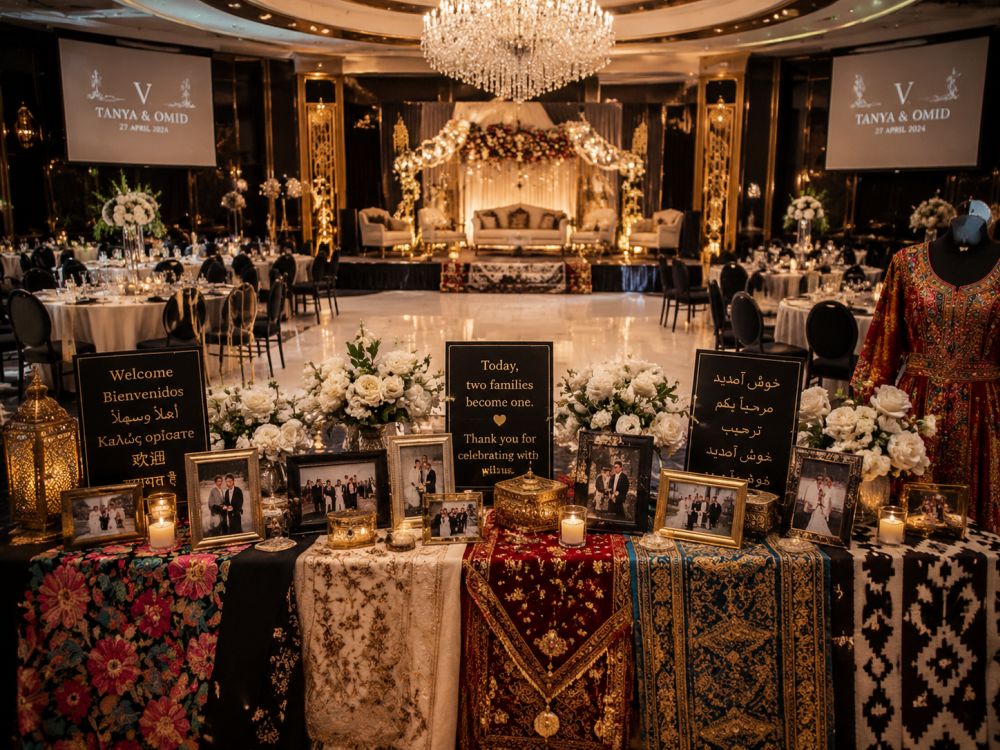
- Family heirlooms displayed on the bridal table
- Flowers from a family’s country of origin
- Traditional fabrics incorporated into styling
- Welcome signs in multiple languages
- Cultural keepsakes as guest favours
I remember one couple who placed photographs of their grandparents’ weddings near the entrance. Guests spent the entire cocktail hour gathered around the display sharing family stories.
The cost was minimal, but the emotional impact was enormous.
Creating A Reception Style That Feels Cohesive
One concern I hear regularly is: “What if our cultures don’t match visually?”
The truth is that wedding styling doesn’t need to be split down the middle. The most successful receptions focus on shared themes such as family, celebration, colour, and tradition.
A multicultural reception can incorporate cultural patterns, symbolic colours, and family traditions without feeling cluttered.
Less is often more.
Real Melbourne Weddings Show There Is No Single Formula
After years of attending weddings across Melbourne, I’ve noticed one consistent pattern. No two multicultural weddings look exactly alike. That’s what makes them special.
An Indian-Australian Celebration That Balanced Both Families Perfectly
One couple wanted a traditional Indian influence while keeping the relaxed atmosphere their Australian friends expected.
Their day included:
- A morning cultural ceremony
- A grand entrance with drummers
- Western-style plated dining
- Bollywood dance performances
- Modern DJ entertainment later in the evening
Guests experienced both cultures naturally throughout the celebration rather than in separate sections.
A Chinese-Middle Eastern Reception Filled With Symbolism
Another reception combined traditions from two very different backgrounds.
The couple included:
- A family tea ceremony
- A Lion Dance performance
- Middle Eastern music and dancing
- Multi-course cultural dining
- Bilingual speeches
What stood out wasn’t the differences. It was how naturally the traditions complemented one another.
What Successful Multicultural Weddings Have In Common
Regardless of cultural background, the best receptions usually share several characteristics:
- Open communication with family
- Clear planning from the beginning
- Experienced suppliers
- Respect for traditions
- Focus on guest experience
- Flexibility when unexpected changes occur
Wedding days rarely run exactly according to plan. The couples who enjoy their celebrations most are usually the ones willing to go with the flow.
As we say in Australia, sometimes you’ve just got to roll with the punches.
The biggest lesson I’ve learned from multicultural weddings is that there is no rulebook. You don’t need to include every tradition. You don’t need to satisfy every opinion. You don’t need to choose one culture over another.
The best multicultural wedding Melbourne celebrations focus on what matters most to the couple.
When families feel respected, guests feel included, and traditions are shared with genuine meaning, the reception becomes much more than a party. It becomes a reflection of two families starting a new chapter together. And years later, that’s what people remember.