After more than 20 years in Melbourne’s wedding industry, I’ve noticed something interesting. Guests rarely remember whether the entrée arrived at 7:15 pm or 7:25 pm. What they do remember is how the night felt. Did the reception flow naturally? Was there too much waiting around? Did the dance floor fill up early? Those moments are often shaped by a document most guests never see: the wedding reception run sheet.
Why Every Melbourne Wedding Needs a Reception Run Sheet
A wedding reception can feel effortless when guests are enjoying themselves. Behind the scenes, though, dozens of moving parts need to line up.
Your photographer needs to know when speeches begin. The kitchen needs enough notice before each course is served. Your DJ needs cues for entrances, dances, and farewell songs. Without a clear wedding reception run sheet, things can unravel surprisingly quickly.
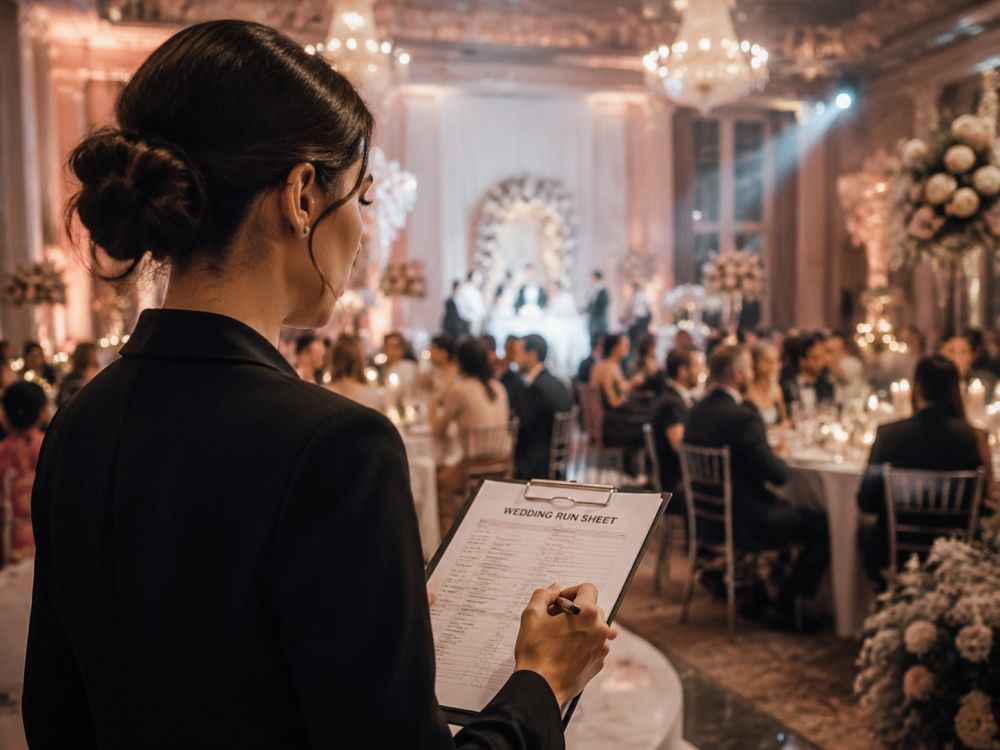
At Vogue Ballroom, we regularly host large celebrations with guest lists of 160 to 250 people. When you’re coordinating hundreds of guests, timing becomes just as important as the menu or styling.
The Hidden Cost of a Poorly Planned Reception
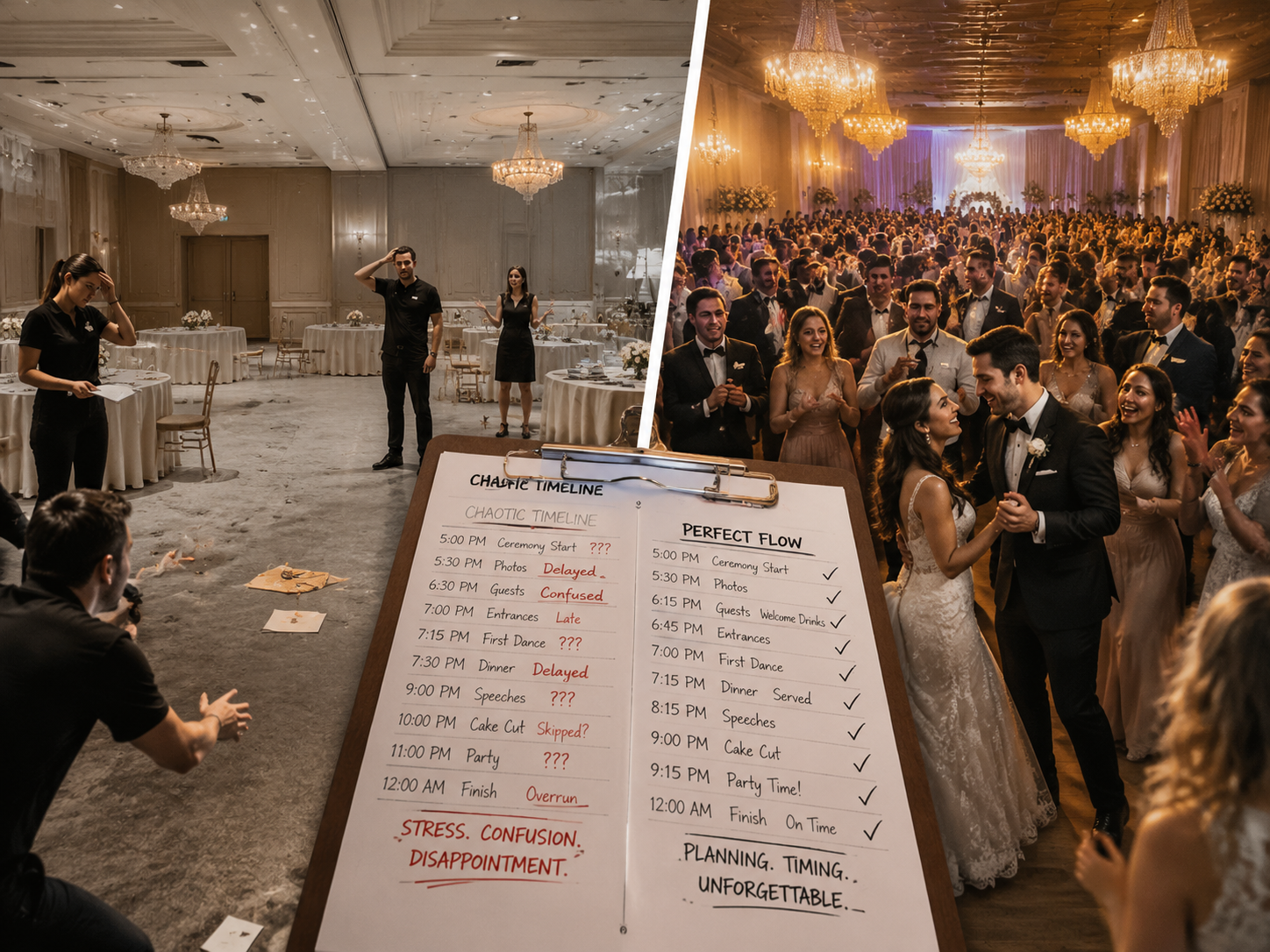
I’ve seen weddings where the speeches started 45 minutes late because family members were still mingling at the bar. I’ve seen dance floors sit empty because formalities dragged on until nearly 10 pm.
Small delays create a domino effect.
Common problems include:
- Cold meals arriving late
- Guests becoming restless between courses
- Photographers missing planned sunset portraits
- DJs rushing through key moments
- Vendors working from different timelines
One Melbourne couple I worked with scheduled seven speeches between entrée and main course. What looked reasonable on paper became nearly an hour of talking. By the time dinner arrived, guests were checking their phones and heading outside for fresh air.
The lesson was simple: every minute matters.
What a Wedding Reception Run Sheet Actually Does
Think of your run sheet as the roadmap for the evening.
It tells everyone:
| Timeline Element | Purpose |
| Event timing | Keeps formalities on schedule |
| Vendor responsibilities | Clarifies who does what |
| Music cues | Ensures smooth transitions |
| Service timing | Helps meals arrive promptly |
| Photography schedule | Protects key photo opportunities |
A good wedding night run sheet template removes guesswork. Everyone knows where they need to be and when. That confidence shows throughout the night.
A Real Example From a Large Melbourne Wedding
A few years ago, I worked with a couple hosting 220 guests. They wanted multiple cultural traditions, six speeches, a live band, and a surprise fireworks display.
On paper, it looked ambitious.
Instead of squeezing everything together, we built 10-minute buffers throughout the reception order of events. Those extra pockets of time gave vendors room to adjust when guests took longer to move between spaces.
The result? Dinner stayed on time. The speeches felt relaxed. The dance floor opened before 9:30 pm. Guests stayed until the final song. Nobody noticed the buffers. That’s exactly why they worked.
Start With the Four Timing Anchors That Shape the Entire Night
Before creating a wedding MC run sheet Australia couples can actually use, you need to identify the fixed points that shape the evening. Everything else works around these anchors.
Ceremony Finish Time
Your ceremony finish time influences nearly every reception decision.
For example:
| Ceremony Ends | Suggested Reception Start |
| 3:30 pm | 5:30 pm |
| 4:00 pm | 6:00 pm |
| 5:00 pm | 7:00 pm |
These windows allow time for:
- Family photographs
- Couple portraits
- Guest travel
- Cocktail hour
If your ceremony and reception are held at different locations, build extra time into the schedule. Melbourne traffic has a habit of throwing curveballs when you least expect it.
Sunset and Golden Hour Photography
One of the most common questions I get is whether sunset should affect the reception timeline. Absolutely.
Melbourne’s sunset changes dramatically throughout the year. In January, golden hour may arrive after 8 pm. In June, it can arrive before 5 pm.

Photographers often request:
- 20–30 minutes for sunset portraits
- Time away from guests
- Flexibility around speeches and meal service
I’ve seen couples accidentally schedule speeches during golden hour, only to discover later that they missed the best natural light of the entire day.
A quick discussion with your photographer can prevent that headache.
Venue Curfews and Supplier Pack-Down Times
Every venue operates differently. Some Melbourne venues finish at 11 pm. Others allow celebrations to continue until midnight or later.
Before creating your timeline, confirm:
- Reception finish time
- Last drinks service
- Music curfew
- Supplier pack-down requirements
Most experienced planners work backwards from the venue’s finish time. It’s far easier than trying to stretch a schedule later.
Choosing the Ideal Reception Length
Most receptions fall into one of three categories:
| Reception Length | Best For |
| 4 Hours | Smaller celebrations |
| 5 Hours | Most weddings |
| 6 Hours+ | Large weddings and cultural celebrations |
In my experience, five hours hits the sweet spot.
It provides enough time for:
- Cocktail hour
- Multiple courses
- Speeches
- Dancing
- Cake cutting
- Farewell moments
As the saying goes, you don’t want to cram ten pounds of potatoes into a five-pound sack. A realistic timeline almost always creates a better guest experience.
The Wedding Night Run Sheet Template Every Couple Can Use
Once you’ve locked in your major timing anchors, it’s time to build the actual run sheet.
I always tell couples to keep it simple. Your wedding reception run sheet isn’t supposed to look like an air traffic control manual. It needs enough detail to guide the night without becoming overwhelming.
The best timelines are easy to read at a glance. Your MC, photographer, venue coordinator and DJ should all be able to understand their role within seconds.
The Four Essential Columns Every Run Sheet Needs
Most professional planners and venues use a format similar to this:
| Time | Activity | Responsibility | Notes |
| 6:00 pm | Guests Arrive | Venue Team | Cocktail hour begins |
| 7:00 pm | Grand Entrance | MC & DJ | Entrance song cue |
| 7:15 pm | Entrée Service | Catering | All guests seated |
| 7:45 pm | Speeches | MC | Microphones ready |
Each column serves a purpose.
Time keeps everyone accountable.
Activity explains what is happening.
Responsibility removes confusion about who is leading each moment.
Notes capture details that could otherwise be forgotten, such as music selections, dietary reminders, or photography requests.
A good wedding night run sheet template eliminates those awkward moments where three people are standing around asking, “Who’s supposed to be doing this?”
Who Should Receive the Final Run Sheet
One mistake I still see occasionally is couples creating a timeline but never sharing it.
A run sheet only works when everyone has access to it.
At minimum, send the final version to:
- Venue coordinator
- MC
- DJ or band
- Photographer
- Videographer
- Celebrant (if required)
- Wedding planner
- Bridal party
At Vogue Ballroom, we often review the final timeline with couples before the wedding day. That extra conversation can uncover small issues before they become bigger ones.
For example, you may discover your photographer wants sunset portraits scheduled 15 minutes earlier. Or your band may require additional setup time before opening the dance floor.
Those are easy fixes when they’re identified early.
When to Finalise Your Timeline
The reception order of events should evolve as your wedding planning progresses.
Here’s a simple timeline:
| Planning Stage | Action |
| 6 Months Before | Draft initial run sheet |
| 3 Months Before | Confirm vendors and major formalities |
| 1 Month Before | Finalise speeches and entertainment |
| 1–2 Weeks Before | Distribute final version |
Avoid making significant changes in the final few days unless absolutely necessary.
The closer you get to the wedding, the more valuable consistency becomes.
The Ideal Reception Order of Events for Maximum Guest Engagement
A great reception feels natural.
Guests should never be wondering what’s happening next or waiting around for long stretches of time.
The most successful weddings build momentum throughout the evening.
Cocktail Hour: Setting the Mood Before the Reception
Cocktail hour is often overlooked, but it plays a crucial role.
While guests enjoy drinks and canapés, several things happen behind the scenes:
- Family photographs are completed
- Couple portraits take place
- Reception spaces are prepared
- Vendors finalise setup
For most Melbourne weddings, 60 to 90 minutes works well.
If you’re holding your wedding during summer, guests will often appreciate spending some time outdoors before moving inside.
One couple I worked with hosted lawn games and acoustic music during cocktail hour. By the time guests entered the reception, everyone was relaxed and already mingling.
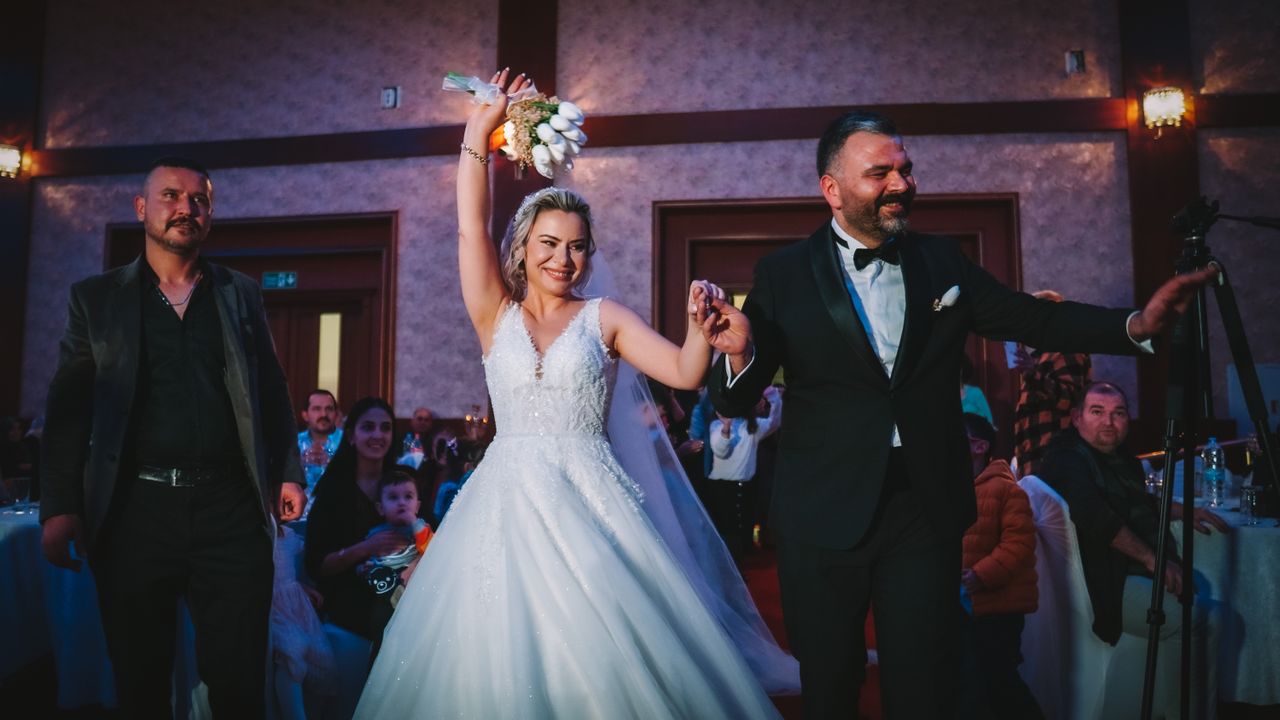
Grand Entrance: Starting the Celebration With Energy
Your grand entrance sets the tone.
Some couples prefer a dramatic introduction. Others keep things understated.
Either approach can work.
The key is maintaining momentum.
A typical sequence looks like:
- Guests seated
- MC welcome
- Wedding party introductions
- Couple’s entrance
- Immediate transition into the next formality
Long gaps after the entrance can drain energy from the room.
That’s why many venues now recommend moving directly into either the first dance or meal service.
First Dance, Cake Cutting and Early Formalities
Traditionally, cake cutting happened much later in the evening.
Today, many couples bring these formalities forward.
There are several benefits:
- Photographers can capture them earlier
- Elderly relatives don’t need to stay late
- The dance floor can open sooner
- Guests remain engaged
I’ve noticed a growing number of Melbourne weddings combining:
- Grand entrance
- First dance
- Cake cutting
within the first 30 minutes of the reception.
It creates a strong start and allows the remainder of the night to flow more naturally.
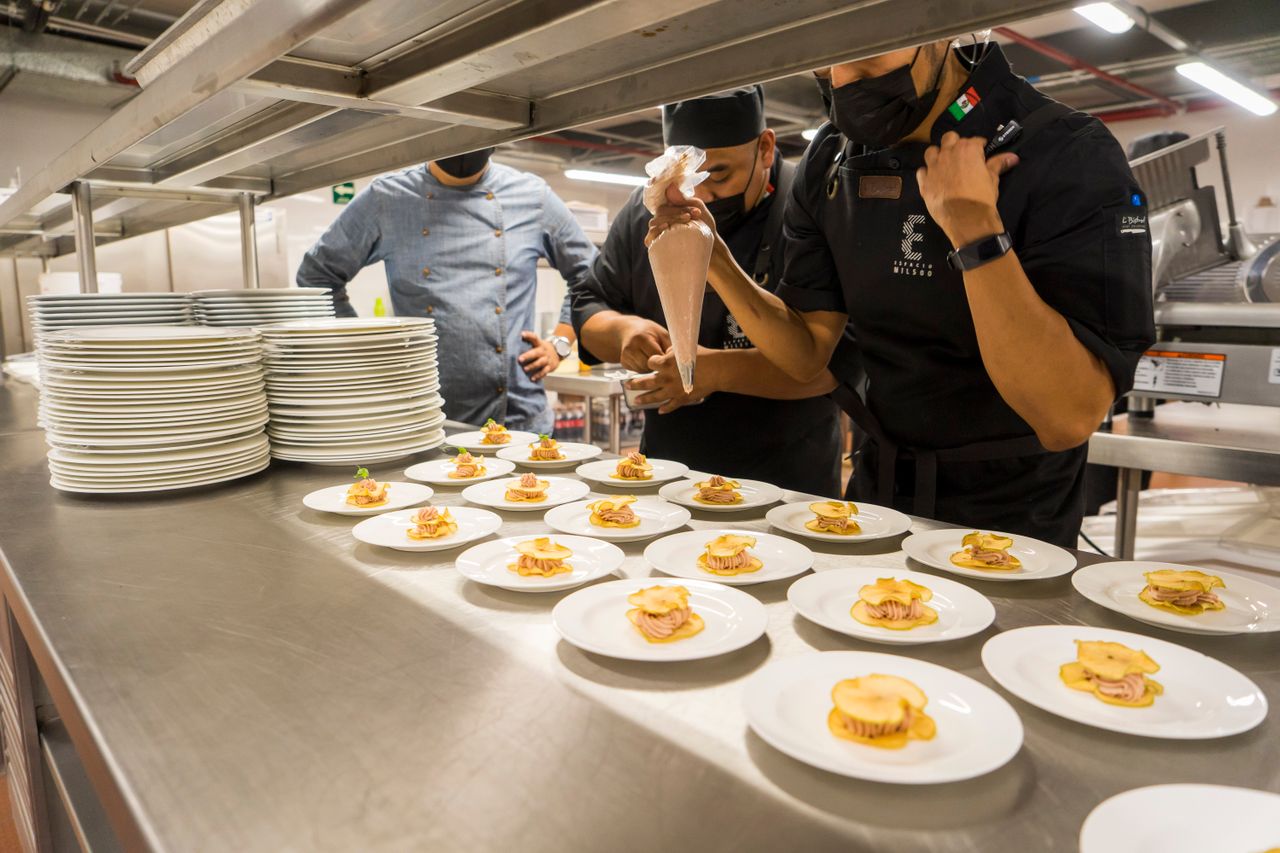
Meal Service That Keeps the Room Engaged
Nothing slows a reception faster than lengthy meal gaps.
Most professional venues aim for approximately 30 minutes per course.
A typical flow may look like:
| Time | Activity |
| 7:15 pm | Entrée served |
| 8:00 pm | Main course served |
| 9:30 pm | Dessert and cake served |
Keeping meals moving helps maintain energy levels.
It also creates better opportunities for speeches and entertainment throughout the evening.
As a bonus, remember to schedule time for yourselves to eat.
You’d be surprised how many couples spend months choosing a menu and barely taste it on the night.
Speech Timing That Guests Actually Enjoy
Few parts of a wedding create more anxiety than speeches.
The speakers worry about what to say. Couples worry they’ll run too long. Guests hope they won’t last forever.
After attending hundreds of receptions, I’ve learned that shorter speeches almost always have the biggest impact.
A good rule is:
| Speaker | Recommended Length |
| Parents | 2–5 minutes |
| Maid of Honour | 3–5 minutes |
| Best Man | 3–5 minutes |
| Couple | 3–5 minutes |
That doesn’t mean every speech needs a stopwatch. It simply helps keep the evening moving.
I’ve seen guests sit through 45 minutes of speeches before dinner. Even the funniest stories start losing their shine after a while.
Should You Split Speeches or Keep Them Together?
There are two common approaches.
Option 1: One Dedicated Speech Block
Benefits:
- Guests know when speeches start and finish
- Meal service flows smoothly
- Fewer interruptions throughout the evening
Option 2: Split Speeches Across Courses
Example:
- Parents before entrée
- Bridal party before main course
- Couple before dessert
Benefits:
- Shorter formal segments
- More variety throughout the reception
For most weddings, I prefer keeping speeches together. It creates a cleaner flow and prevents guests from feeling like the evening is constantly stopping and starting.
That said, larger weddings with multiple speakers may benefit from splitting them into two manageable blocks.
Wedding MC Run Sheet Australia: What Your MC Needs to Know
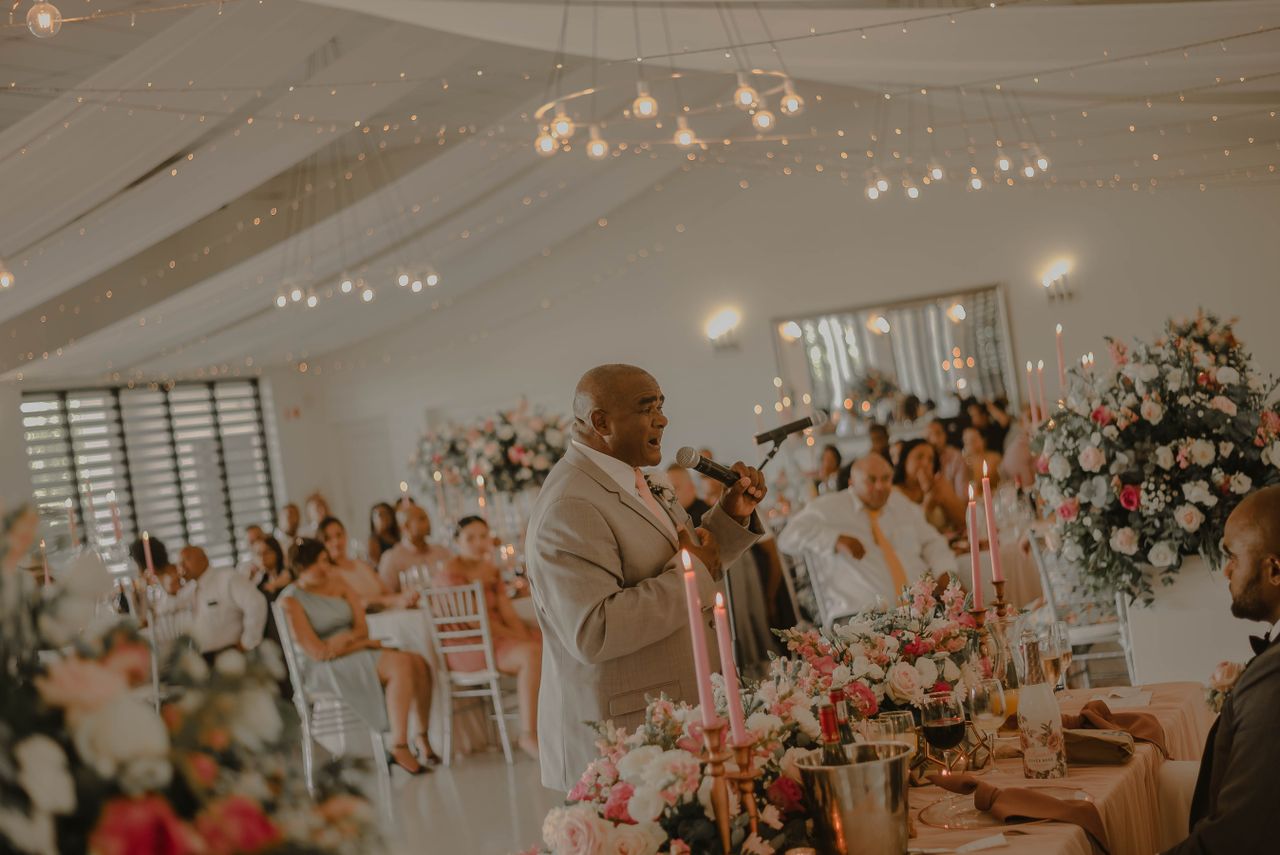
A great MC can save a reception. A poor MC can derail one.
The role is much more than reading names from a piece of paper. Your MC becomes the link between guests, vendors, and the couple.
Key Responsibilities Throughout the Night
A wedding MC run sheet Australia couples use should clearly outline responsibilities.
Typical duties include:
- Welcoming guests
- Making announcements
- Introducing speakers
- Coordinating entrances
- Guiding guests between formalities
- Working with the venue and entertainment team
The best MCs don’t dominate the room. They keep things moving while allowing the celebration to remain focused on the couple.
Information Every MC Should Have Before the Wedding
At least one week before the wedding, your MC should know:
- Correct pronunciation of names
- Wedding party introductions
- Cultural traditions
- Special acknowledgements
- Supplier contact details
- Emergency contacts
One wedding I attended featured several family names that were unfamiliar to the MC. A quick preparation meeting beforehand prevented a potentially awkward situation.
It’s a small detail, but small details often separate good receptions from great ones.
Sample MC Cue Sheet
| Time | MC Responsibility |
| 6:55 pm | Welcome guests and housekeeping |
| 7:00 pm | Introduce wedding party |
| 7:45 pm | Introduce parent speeches |
| 8:45 pm | Introduce bridal party speeches |
| 9:00 pm | Announce cake cutting |
| 9:10 pm | Invite guests to dance floor |
| 10:50 pm | Lead farewell and final song |
Think of this as the MC’s cheat sheet. It keeps everyone on the same page without requiring lengthy notes.
A Real Wedding Reception Run Sheet Example (5-Hour Reception)
Many couples ask me what a realistic timeline actually looks like. The truth is there isn’t a single perfect formula. Guest numbers, cultural traditions, venue layouts and entertainment choices all influence the schedule. Still, the following example works well for many Melbourne weddings.
Example Timeline: 6:00 pm to 11:00 pm Reception
| Time | Event | Responsibility |
| 6:00 pm | Guest Arrival & Cocktail Hour | Catering / Entertainment |
| 6:45 pm | Guests Seated | MC / Venue |
| 6:55 pm | Welcome & Housekeeping | MC |
| 7:00 pm | Grand Entrance & First Dance | DJ / Couple |
| 7:15 pm | Entrée Service | Catering |
| 7:45 pm | Parent Speeches | MC |
| 8:00 pm | Main Course Service | Catering |
| 8:45 pm | Bridal Party Speeches | MC |
| 9:00 pm | Cake Cutting & Parent Dance | DJ |
| 9:10 pm | Dance Floor Opens | DJ / Band |
| 9:30 pm | Dessert & Cake Service | Catering |
| 10:40 pm | Final Formalities | MC |
| 10:50 pm | Final Song & Grand Exit | DJ |
| 11:00 pm | Reception Concludes | Venue |
Why This Timeline Works
This structure succeeds because it balances formalities with entertainment. Guests don’t spend hours waiting for the dance floor. The kitchen has clear service windows. The photographer knows exactly when key moments will happen.
Most importantly, the evening maintains momentum from start to finish. Like a well-rehearsed orchestra, every person knows their cue.
Seven Common Wedding Reception Timeline Mistakes to Avoid
Even the best venues, suppliers and entertainers can only work with the timeline they’re given. Over the years, I’ve noticed the same handful of mistakes appearing again and again.
The good news? They’re all avoidable.
Scheduling Speeches During Peak Meal Service
Your catering team works hard to serve meals at the right temperature and pace. When speeches start unexpectedly during service, everything slows down. Guests stop eating. Staff pause service. Food sits longer than intended.
A better approach is to schedule speeches either before a course arrives or shortly after plates have been cleared.
Opening the Dance Floor Too Late
I’ve seen receptions where the dance floor didn’t open until after 10 pm. By then, older guests had already left, and many others were ready to head home.
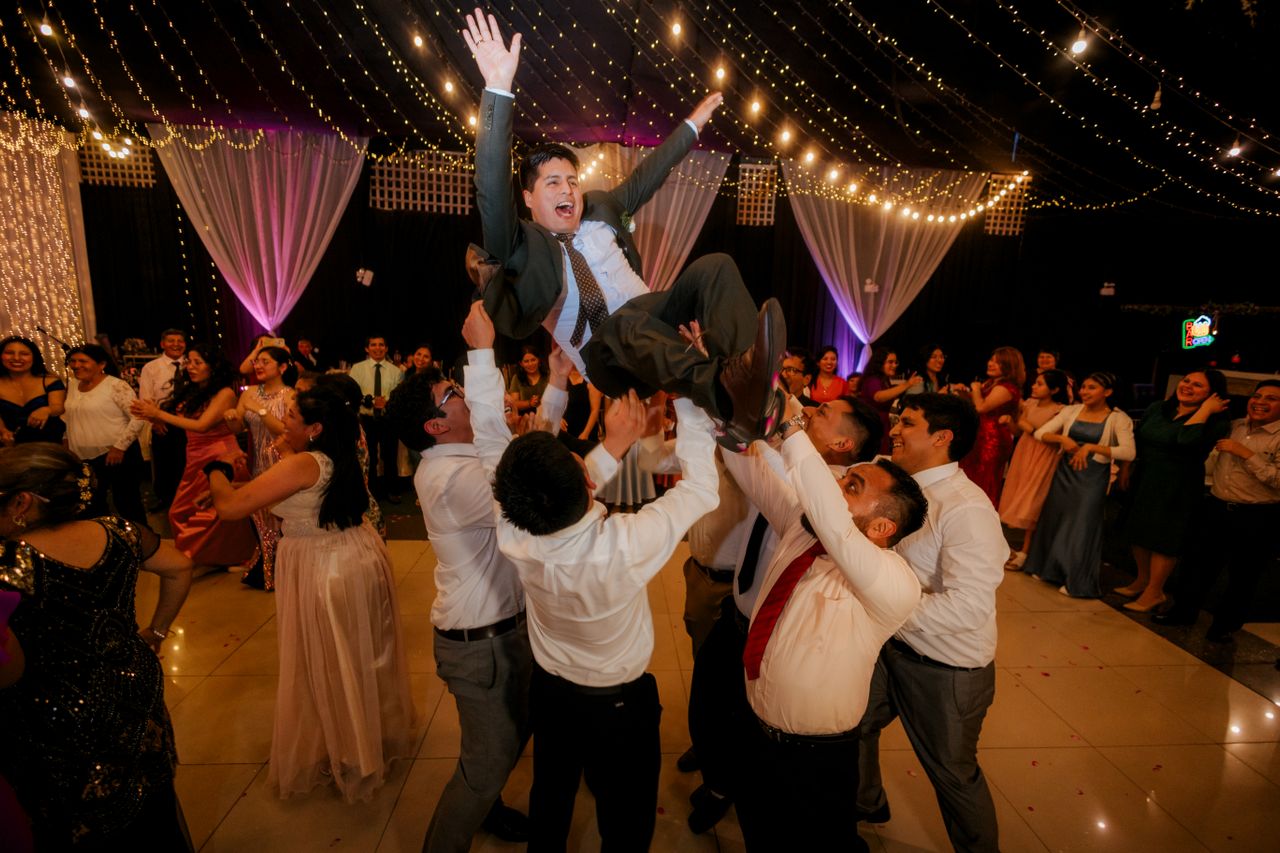
For most weddings, opening the dance floor within the first 90 minutes of the reception helps maintain energy throughout the evening. A packed dance floor creates excitement. An empty one can be difficult to recover from.
Forgetting Buffer Time
If there’s one piece of advice I’d give every couple, it’s this: Build breathing room into your timeline. Things take longer than expected.
Family photos run over. Guests linger at the bar. Someone disappears when it’s time for speeches.
Adding 10 to 15-minute buffers around major transitions can save the entire evening.
Not Sharing the Timeline With Vendors
Your photographer, DJ and venue team shouldn’t be seeing the schedule for the first time on the wedding day. Send the final version at least one to two weeks beforehand. This gives everyone an opportunity to identify issues and make adjustments.
Trying to Include Every Tradition
Some couples feel pressure to include every wedding tradition they’ve ever seen. The result can be an overcrowded schedule.
Instead, ask yourselves:
- Which moments matter most?
- Which traditions reflect us?
- What will our guests genuinely enjoy?
The strongest receptions focus on quality rather than quantity.
Ignoring Guest Comfort
Guests notice long gaps. They notice when dinner is delayed. They notice when there’s nowhere to sit during cocktail hour. A great run sheet considers the guest experience from start to finish.
Making Yourselves the Timekeepers
You shouldn’t spend your wedding checking the clock. Assign someone else to manage the timeline.
This could be:
- Your venue coordinator
- Wedding planner
- MC
- Trusted family member
Your job is to celebrate. Let someone else watch the schedule.
How to Make Your Reception Run Smoothly on the Day
By the wedding day, the planning should already be done. The goal shifts from creating the timeline to executing it successfully.
Appoint a Dedicated Time Captain
Every successful wedding has someone quietly keeping things on track behind the scenes. At larger Melbourne receptions, this is often a venue coordinator or banquet supervisor.
Their responsibilities include:
- Monitoring timing
- Communicating with suppliers
- Coordinating formalities
- Solving unexpected issues
Most guests never notice them. That’s usually a sign they’re doing an excellent job.
Build in Flexible Buffer Windows
A simple buffer can protect your entire reception.
Here’s a useful guide:
| Activity | Recommended Buffer |
| Family Photos | 10–15 minutes |
| Guest Seating | 10 minutes |
| Grand Entrance | 5–10 minutes |
| Speech Transitions | 5 minutes |
You may never use these extra minutes. That’s perfectly fine. Think of them as insurance for your schedule.
Confirm Every Vendor Has the Latest Version
A few days before the wedding, perform one final check.
Make sure every supplier has:
- The latest run sheet
- Correct arrival times
- Contact information
- Updated formality schedule
This small step can prevent a surprising number of issues.
Guests rarely compliment a timeline. They’ll talk about the atmosphere, the food, the dancing and the memories they made.
What they don’t see is the planning that helped create those moments.
A strong wedding reception run sheet provides structure without making the evening feel rigid. It gives vendors direction, helps your MC lead confidently, and allows you to enjoy the celebration without constantly wondering what happens next.