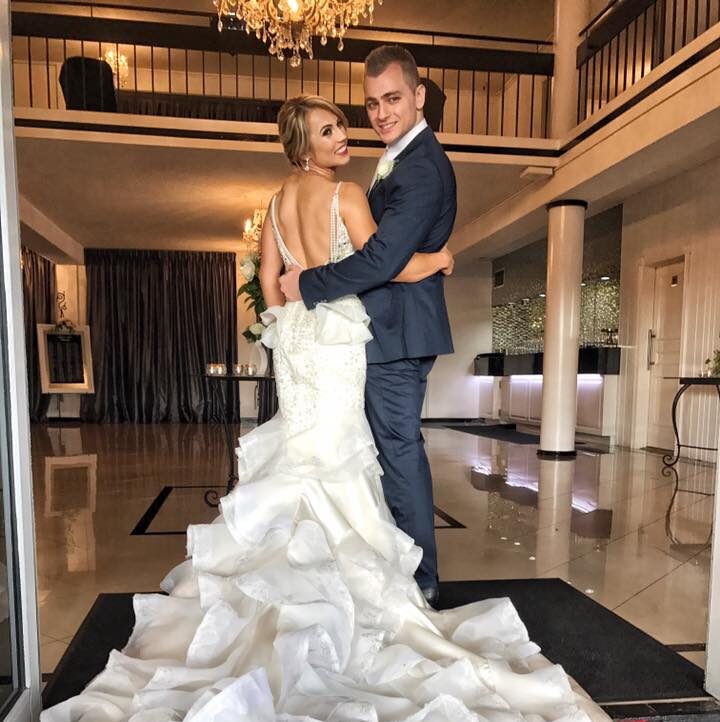
When I got married at Vogue Ballroom in 2017, I thought the wedding day would be the only event people remembered. I was wrong. Some of our guests still talk about the relaxed catch-up we had the night before. There was no formal schedule, no pressure, and no carefully timed run sheet. Just good food, familiar faces, and the chance for everyone to settle in before the big day.
Over the years, I’ve worked with couples across Melbourne who were unsure whether a wedding welcome dinner was worth the extra effort. Some worried about the cost. Others wondered if guests would even attend. In many cases, the welcome dinner became one of the most enjoyable parts of the entire wedding weekend. It gave families time to connect, helped travelling guests feel at home, and took some of the pressure off the wedding day itself.
If you’re deciding whether to add a wedding welcome dinner to your plans, here’s what you should know.
Why More Australian Couples Are Hosting a Wedding Welcome Dinner
A wedding welcome dinner is a casual gathering held before the wedding day, usually the evening before the ceremony. Unlike the reception, the focus isn’t on formalities. It’s about welcoming guests, sharing a meal, and creating a comfortable atmosphere before the celebrations begin.
In Australia, these events have become increasingly common. Destination weddings in the Yarra Valley, Mornington Peninsula, and regional Victoria often include some type of pre-wedding gathering. Even couples getting married in Melbourne are embracing the idea, especially when family and friends are travelling from interstate or overseas.
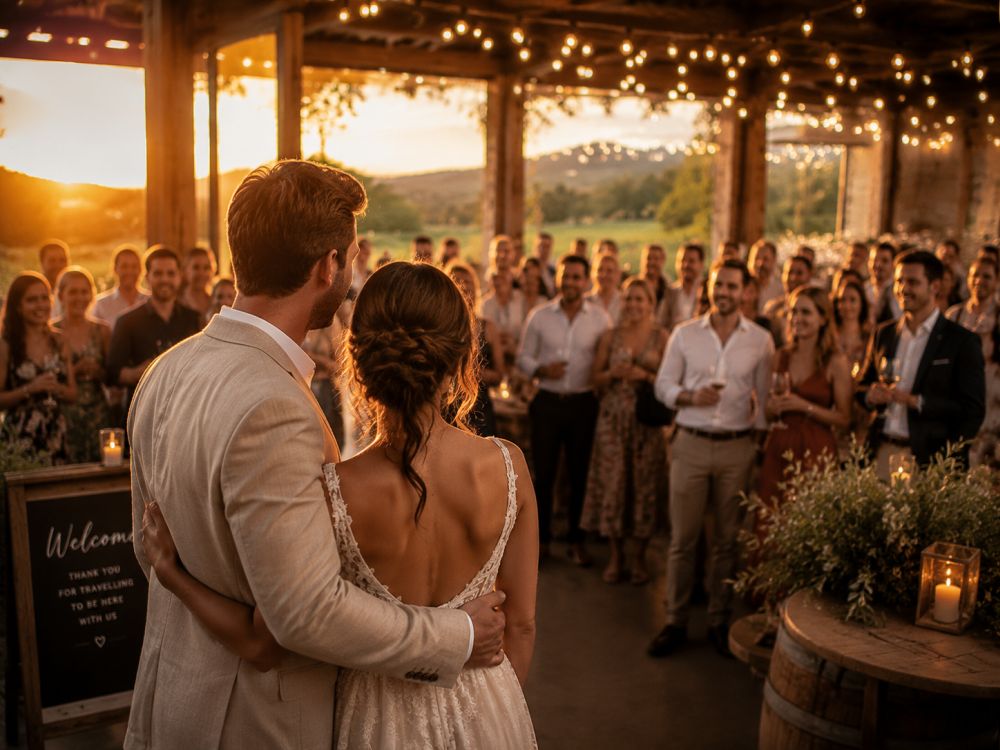
The Real Purpose Behind a Wedding Welcome Dinner
One of the biggest misconceptions I hear is that a welcome dinner is simply an extra party. In reality, it serves a much more practical purpose.
Guests often arrive after long flights, road trips, or busy work weeks. They may know only a handful of people attending the wedding. A welcome dinner gives everyone a chance to relax before the main event.
I’ve seen this first-hand with weddings involving large Greek, Italian, Middle Eastern, and South Asian families around Melbourne. The welcome dinner often becomes the first opportunity for both families to spend quality time together.
The benefits usually include:
- Helping guests settle in after travelling
- Breaking the ice between different friendship groups
- Giving couples more time with loved ones
- Creating a relaxed start to the wedding weekend
- Reducing social anxiety before the wedding day
“Some of the best conversations happen the night before the wedding, when nobody is watching the clock.”
When a Welcome Dinner Makes the Biggest Difference
Not every wedding needs a welcome dinner. However, there are situations where it can add significant value.
For example, imagine a couple hosting their reception in Melbourne while welcoming guests from Perth, Brisbane, Auckland, and London. Many of those guests may only know the bride or groom. Walking into a reception with 200 strangers can feel overwhelming.
Now picture those same guests spending a relaxed evening together beforehand. By the wedding day, familiar faces start appearing across the room. Conversations become easier. The atmosphere feels warmer.
Wedding welcome dinners work particularly well when:
- Guests are travelling interstate
- Family members are meeting for the first time
- The wedding spans multiple days
- The guest list exceeds 100 people
- Many guests are travelling internationally
In these situations, the welcome dinner acts as a bridge between arrival and celebration.
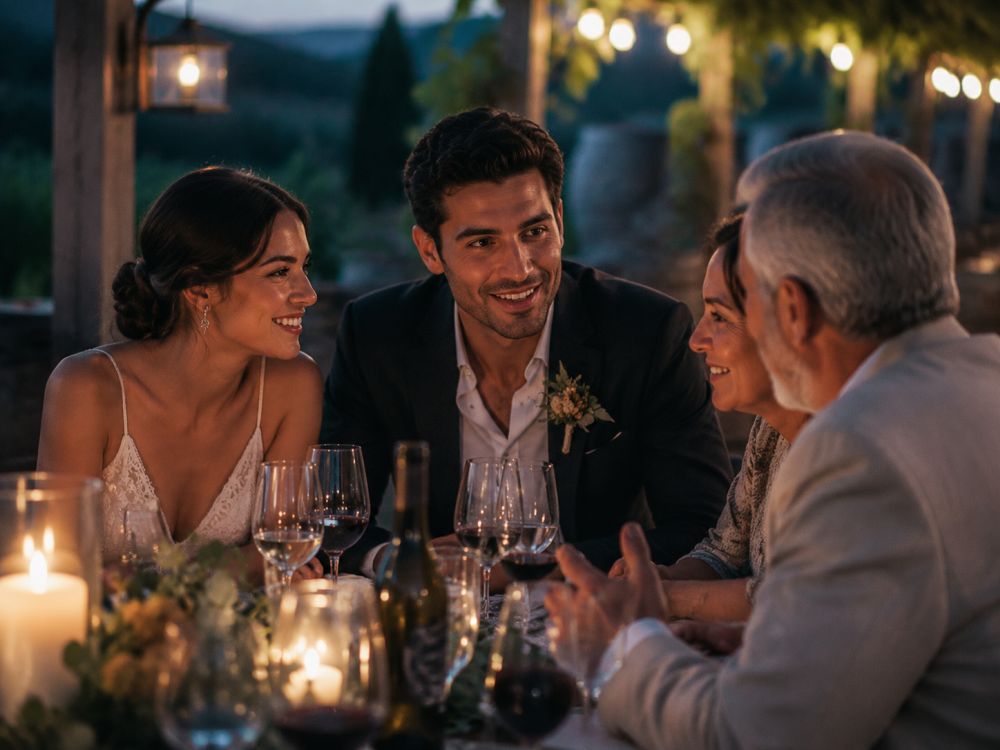
Who Should You Invite to Your Wedding Welcome Dinner?
One of the first questions couples ask is, “Do we invite everyone?”
The short answer is that there are no hard rules.
I’ve seen wedding welcome dinners with 20 guests and others with more than 200. The right guest list depends on your budget, location, and the experience you want to create.
The most important thing is consistency. Guests should clearly understand whether the welcome dinner is part of the wedding weekend or a separate optional gathering.
Option 1: Invite Every Wedding Guest
For destination weddings and weekend-long celebrations, inviting everyone often makes the most sense.
If every guest has travelled to attend your wedding, a welcome dinner becomes a genuine thank-you gesture. It allows people to feel included from the moment they arrive rather than waiting until the reception.
This approach works particularly well when:
- Most guests are travelling
- The wedding takes place over several days
- Many guests don’t know each other
- The venue can comfortably accommodate everyone
I remember working with a couple who hosted their wedding in the Yarra Valley. Nearly every guest had booked accommodation nearby. Their welcome dinner was held at a local winery, and by the wedding day, it felt like everyone had known each other for years.
The atmosphere was noticeably more relaxed because introductions had already happened.
Option 2: Keep It Small and Personal
A smaller guest list can be equally effective.
Some couples prefer an intimate gathering that includes only:
- Immediate family
- The bridal party
- Out-of-town guests
- Close friends
This option often allows for a more personal experience and a more manageable budget.
For example, a Melbourne couple hosting a 180-person reception might invite only 40 people to the welcome dinner. They can spend quality time with relatives arriving from interstate without significantly increasing their wedding expenses.
Sometimes less really is more.
A smaller gathering also gives couples a chance to enjoy meaningful conversations instead of working their way around a large room all night.
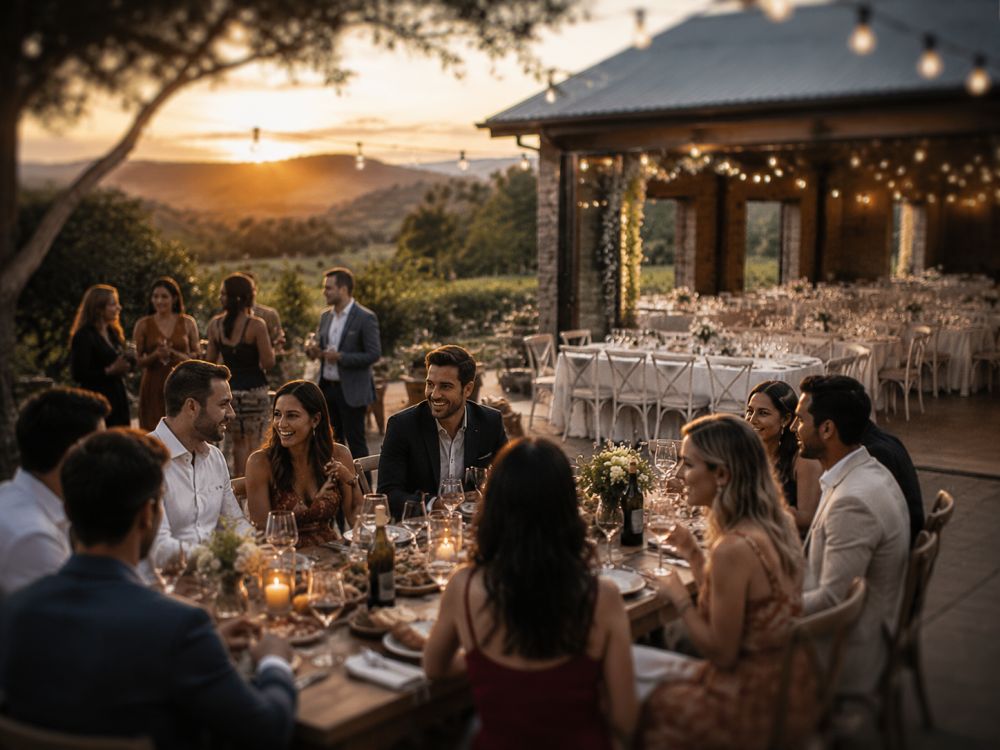
How to Avoid Guest List Confusion
Guest list confusion can create awkward situations if expectations aren’t clear.
One common mistake is mentioning the welcome dinner casually without formally inviting people. Guests may assume they’re included when they’re not.
To avoid misunderstandings:
Wedding Welcome Dinner Checklist
- Create a separate invitation if required
- Include details on your wedding website
- Clarify whether attendance is optional
- Confirm start and finish times
- Explain any dress code
- Mention whether partners and children are invited
- Provide transport information if necessary
Clear communication prevents hurt feelings and last-minute questions.
In Australia, where guests often travel significant distances between cities and regional areas, practical information becomes especially important. If your welcome dinner is being held at a winery, beachside venue, or private property, providing transport details can save everyone a lot of hassle.
At the end of the day, the size of your welcome dinner matters far less than the experience it creates. Whether you’re hosting 30 guests or 300, people will remember feeling welcomed, included, and appreciated.
What Actually Happens During a Wedding Welcome Dinner?
One reason couples hesitate to plan a wedding welcome dinner is that they aren’t quite sure what happens at one.
The answer is refreshingly simple: whatever helps your guests feel comfortable.
Unlike a reception, there are no formal expectations. No grand entrance. No first dance. No carefully choreographed timeline. Most successful welcome dinners focus on conversation, good food, and creating a relaxed atmosphere before the wedding day.
Arrivals, Drinks and Casual Mingling
The evening usually begins with guests arriving gradually rather than all at once.
Travelling guests may still be checking into hotels, collecting family members from airports, or finding their way around an unfamiliar area. That’s why flexibility is important.
When I attend welcome dinners in Melbourne, guests often arrive over a 30- to 60-minute window. Some head straight for the bar. Others reconnect with relatives they haven’t seen in years.
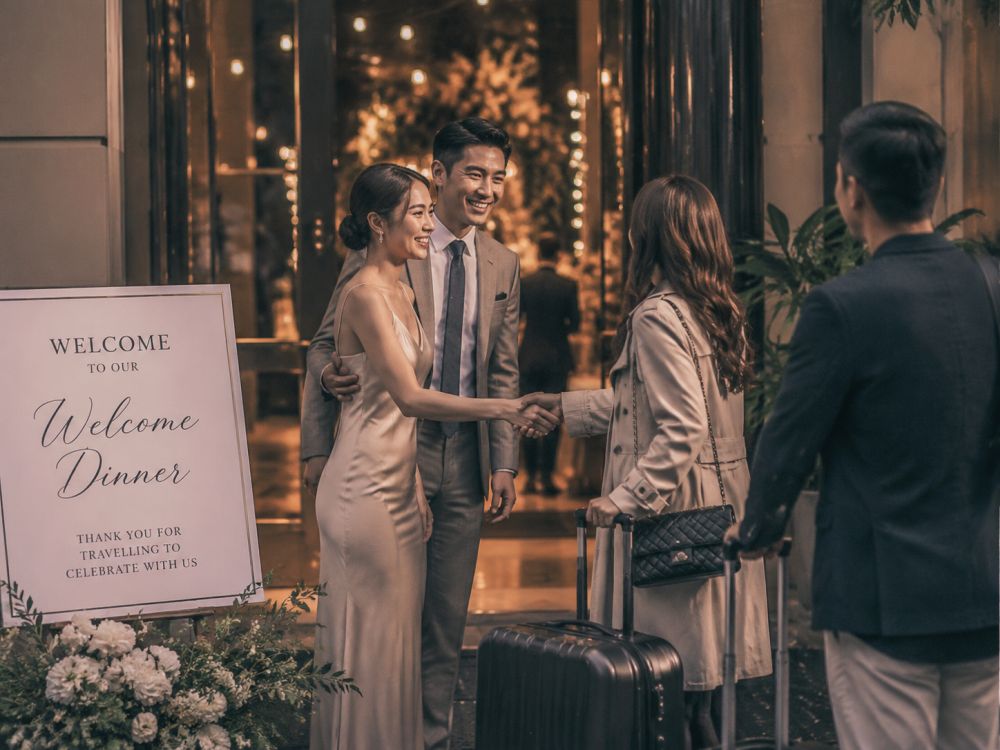
This natural flow creates opportunities for introductions that might otherwise happen during the reception.
For example, imagine your university friends meeting your partner’s cousins for the first time. A casual welcome dinner gives those conversations room to happen organically.
There’s no rush. No pressure.
Just people getting acquainted before the celebrations begin.
Short Speeches and Informal Toasts
Many couples wonder whether speeches are necessary.
They aren’t. In fact, some of the most enjoyable welcome dinners I’ve attended had no formal speeches at all. That said, a brief welcome toast can add a personal touch. A simple thank-you from the couple often works perfectly: “Thank you for making the trip to celebrate with us. We know many of you have travelled a long way, and we’re grateful you’re here.”
If family members are hosting the evening, they may also choose to say a few words. The key is keeping it short.
I once worked with a couple who limited every speaker to five minutes. The entire speaking portion was finished in less than fifteen minutes, leaving plenty of time for guests to enjoy the evening.
As a general guide:
| Activity | Recommended Time |
| Welcome toast | 2–3 minutes |
| Parent speech | 3–5 minutes |
| Bridal party remarks | Optional |
| Total speech time | Under 15 minutes |
Long speeches can drain energy from the room, particularly when guests have spent the day travelling.
Food, Drinks and Shared Experiences
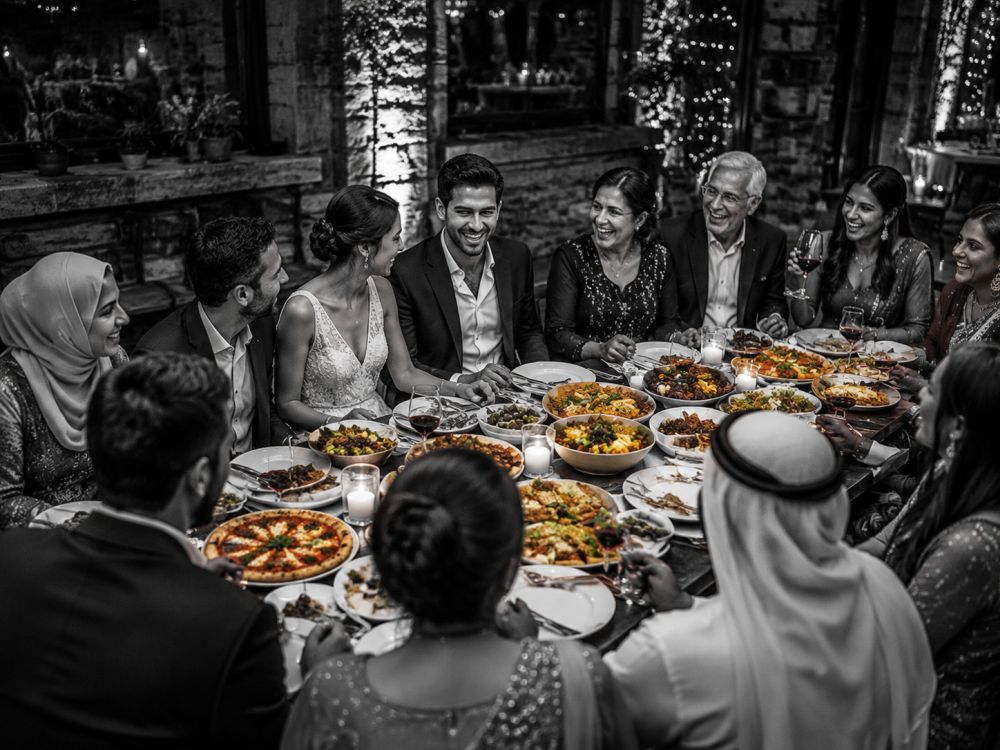
Food sits at the heart of almost every successful wedding welcome dinner. The style matters less than the atmosphere it creates. Some couples choose a restaurant with shared plates. Others organise a winery dinner, cocktail event, backyard barbecue, or casual buffet.
I’ve even seen couples arrange a simple pizza night after interstate guests arrived at their accommodation. Nobody complained.
The reason is simple: people connect over food.
Popular options include:
- Shared banquet-style meals
- Grazing tables
- Cocktail-style service
- Winery lunches or dinners
- Barbecues
- Local restaurant bookings
- Family-style feasts
For destination weddings, many couples use the dinner to showcase local flavours.
A Yarra Valley wedding might feature regional wines and produce. A Mornington Peninsula gathering may include fresh seafood. In Melbourne’s multicultural communities, welcome dinners often incorporate family recipes and cultural traditions that guests may not experience at the reception.
Gifts, Welcome Bags and Personal Touches
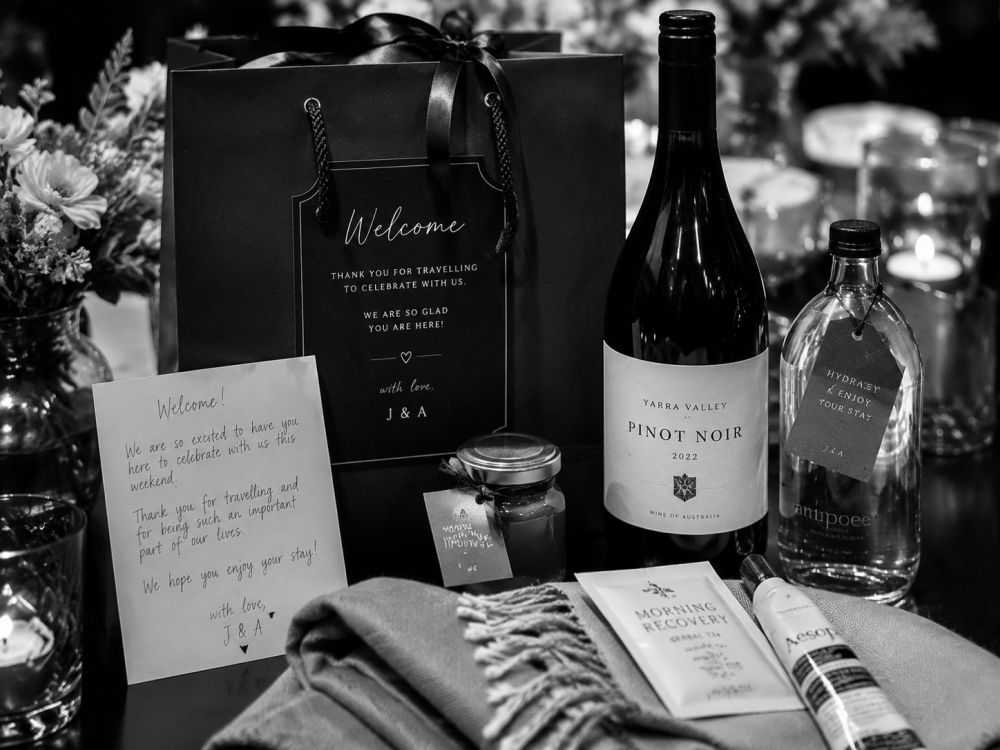
Many couples use the welcome dinner as an opportunity to distribute welcome bags or small gifts.
This can be particularly useful for guests who have travelled from interstate or overseas.
A welcome bag might include:
- Wedding weekend itinerary
- Local maps
- Bottled water
- Snacks
- Recovery items for the next morning
- Personal note from the couple
Some couples also choose to thank parents or members of the bridal party with small gifts during the evening.
Others prefer to handle these moments privately.
Neither approach is right or wrong.
The most memorable welcome dinners aren’t necessarily the most expensive. They’re the ones that feel genuine. Guests leave feeling included, appreciated, and excited for what’s coming next.
And that’s exactly what the evening is meant to achieve.
Pre-Wedding Dinner Ideas That Guests Actually Enjoy
The best wedding welcome dinners don’t try to impress people with extravagance. They focus on comfort, conversation, and creating a memorable start to the wedding weekend.
I’ve seen couples spend thousands on elaborate pre-wedding events, only to discover guests were happiest when the atmosphere felt relaxed and authentic.
Relaxed Restaurant Dinner
A private dining room remains one of the easiest options.
Guests know what to expect, logistics are simple, and the venue handles most of the work. For Melbourne couples, this can be particularly useful when accommodating interstate guests staying near the CBD.
Winery or Vineyard Gathering
Victoria offers no shortage of winery locations.
Regions such as the Yarra Valley provide beautiful scenery, excellent local food, and a naturally relaxed environment. Guests can enjoy the setting without feeling like they’re attending another formal wedding event.
Backyard BBQ and Lawn Games
A backyard gathering can create a surprisingly memorable experience.
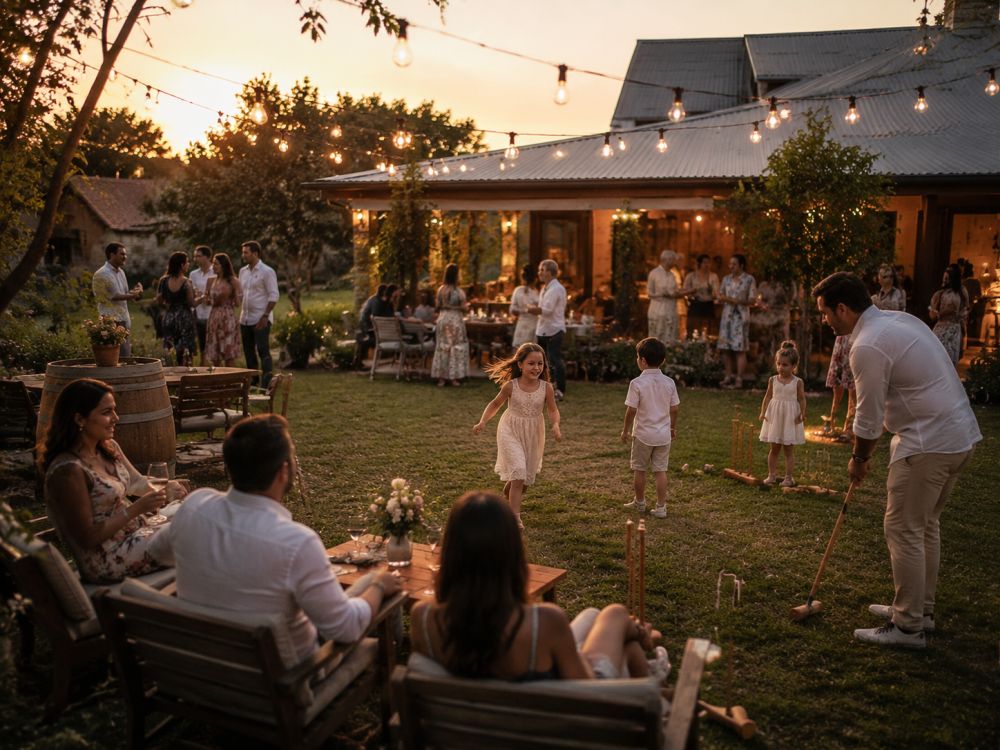
One couple I worked with hosted a casual barbecue the night before their wedding. Guests played lawn games, children ran around freely, and family members shared stories well into the evening. It cost far less than a formal dinner and became one of the most talked-about parts of the weekend.
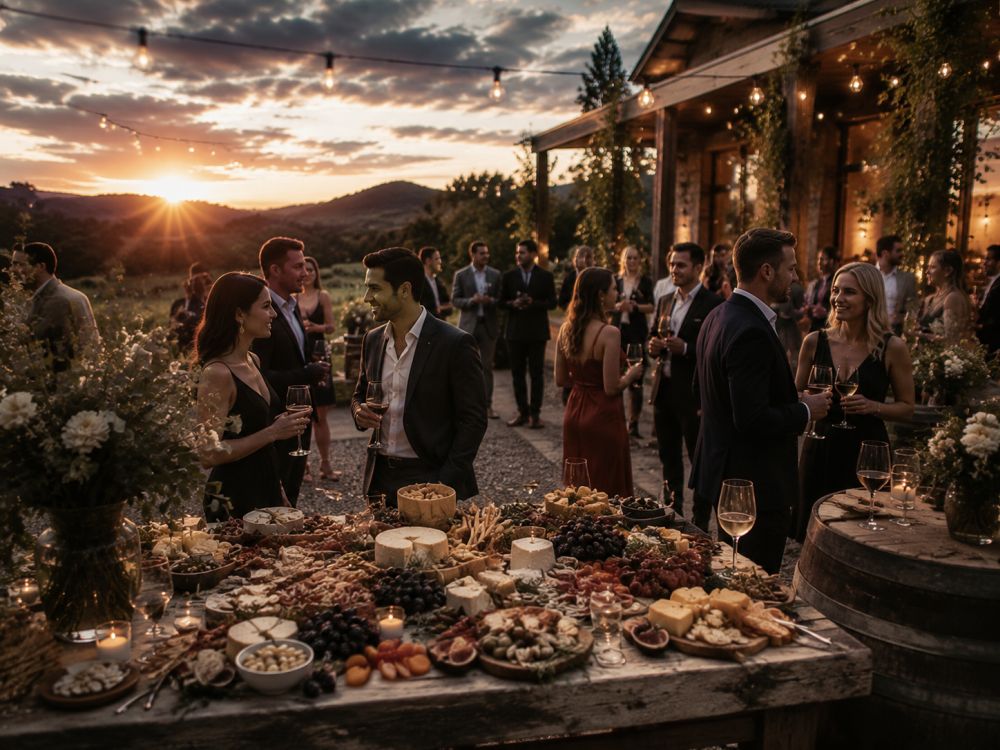
Cocktail Night With Grazing Stations
For larger guest lists, cocktail-style events work exceptionally well.
Guests can move around, meet different people, and avoid being locked into a seating arrangement. Grazing stations, shared platters, and informal food service encourage conversation throughout the night.
Cultural Food Experiences
Melbourne weddings often celebrate diverse cultural backgrounds.
A welcome dinner can provide the perfect opportunity to share traditions through food before the wedding day. Whether it’s a Greek family feast, Italian-style shared dining, Middle Eastern banquet, or South Asian celebration, these experiences often become highlights for travelling guests.
Popular Pre-Wedding Dinner Ideas in Australia
- Winery dinners
- Beachside gatherings
- Restaurant private dining rooms
- Backyard BBQs
- Cocktail receptions
- Brewery functions
- Rooftop dinners
- Family-style banquets
How Much Does a Wedding Welcome Dinner Cost in Australia?
One of the biggest myths surrounding wedding welcome dinners is that they need to be expensive.
They don’t.
The cost depends largely on guest numbers, venue choice, and food style.
| Cost Element | Budget-Friendly Option | Premium Option |
| Venue | Local restaurant | Exclusive venue hire |
| Food | Shared platters | Multi-course menu |
| Drinks | Limited package | Premium beverage package |
| Styling | Minimal décor | Full event styling |
Ways to Keep Costs Under Control
- Keep the guest list smaller
- Combine the rehearsal and welcome dinner
- Choose shared dining over plated meals
- Select a venue close to guest accommodation
- Focus on hospitality rather than styling
I’ve found that guests rarely judge the event based on how much money was spent. They remember whether they felt welcomed and looked after.
Common Wedding Welcome Dinner Mistakes Couples Regret
The purpose of a welcome dinner is simple. Unfortunately, some couples accidentally make it more complicated than it needs to be.
Turning It Into a Second Wedding Reception
A welcome dinner should complement the wedding, not compete with it.
If you’re planning elaborate entertainment, multiple speeches, formal seating plans, and a packed timeline, it may start feeling like a second reception.
Overloading the Evening With Activities
Many guests arrive tired. Flights get delayed. Traffic happens. Luggage goes missing. The last thing people need is a tightly scheduled evening. Keep things simple and let conversations happen naturally.
Choosing a Venue Too Far From Accommodation
This issue comes up regularly at destination weddings. If guests need to organise complicated transport arrangements before the wedding day, attendance may suffer. Choosing a venue close to hotels or accommodation removes unnecessary stress.
Forgetting the Real Goal
The goal isn’t perfection. It’s connection. “Guests rarely remember perfect centrepieces. They remember how welcome they felt.”
Do You Really Need a Wedding Welcome Dinner?
After helping couples plan weddings across Melbourne for many years, I’ve learned that there are very few things you absolutely need for a successful wedding.
A wedding welcome dinner falls into that category. You can have an incredible wedding without one. Plenty of couples do.
However, if you’re hosting interstate guests, bringing families together for the first time, or planning a multi-day celebration, a welcome dinner can make the entire weekend feel more connected and relaxed.
Situations Where a Welcome Dinner Is Worth It
A wedding welcome dinner is often worth considering if:
- Guests are travelling long distances
- Family members haven’t met before
- You’re hosting a destination wedding
- The wedding spans multiple days
- You want extra time with guests before the reception
Situations Where You Can Skip It
You may not need a welcome dinner if:
- Most guests live locally
- You’re working with a tight budget
- The guest list is small and familiar
- You prefer a simpler wedding schedule
The Question That Helps You Decide
Ask yourself one simple question: “Will spending extra time with our guests before the wedding improve their experience and ours?”
If the answer is yes, a wedding welcome dinner may be one of the best additions you make.
When I look back on my own wedding at Vogue Ballroom, some of my favourite memories weren’t from the formal moments. They came from the conversations before everything officially began. The welcome dinner gave us space to enjoy the people we cared about without worrying about timelines, photographers, or reception formalities.
Sometimes, that’s exactly what a wedding weekend needs.