Anyone who’s been tasked with organising a wedding knows that one of the most challenging, yet essential, aspects of the planning process is creating the perfect wedding seating chart. It’s often seen as a stressful part of the wedding preparation, but it doesn’t have to be. When done right, a well-crafted seating arrangement can shape the atmosphere of your reception, setting the stage for a relaxed, enjoyable event.
As someone who’s been involved in the wedding industry for years, I’ve seen firsthand how a seating plan can make or break the reception vibe. Whether you’re at a rustic vineyard in Victoria or a chic inner-city venue in Sydney, where you place your guests matters – it’s a subtle form of social engineering that can lead to either harmonious mingling or awkward silences.
In this guide, I’ll discuss everything you need to know about creating the perfect wedding seating chart. From the layout to family dynamics, this comprehensive plan will help you tackle what might initially seem daunting.
Preparation And Layout: Laying The Foundation For A Perfect Seating Chart
Finalise Your Guest List Before Seating
Before you even think about assigning seats, you need to have your guest list set in stone. This step might seem obvious, but you’d be surprised how many couples jump into the seating arrangement without knowing exactly who’s attending. The last thing you want is to design a seating chart only to find out at the last minute that a guest has cancelled or that someone important was left off the list.
When I helped organise a wedding in Melbourne last year, the couple initially had a draft list of 120, but by the time we finalised the seating plan, it was down to 90. If we hadn’t had a definitive guest list early on, it would’ve thrown the entire seating plan into chaos.
Make sure you know the final number of guests, as well as any dietary restrictions or special needs (like wheelchair access), before moving forward.
Get The Floor Plan Of Your Venue
One of the most important factors in seating planning is understanding the venue’s layout. I can’t stress this enough: don’t just go by what you “think” the space looks like. Get a floor plan from your venue and, if possible, ask for a few different layout options. You’ll need to factor in where the dance floor will go, the buffet table, the DJ, and any other focal points.
When I worked with a bride and groom in the Blue Mountains, they opted for a circular seating arrangement around the dance floor. This worked perfectly for their space, but it only became clear after we had the floor plan in hand. This was a much more intimate setting than the usual rows of tables spread across the room.
You’ll also need to consider practicalities, such as access to the bar and restrooms. Be sure to communicate with your venue to make sure the seating plan accommodates all these factors.
Choose The Right Table Shapes
The type of tables you use can significantly affect the atmosphere of the reception. There’s no one-size-fits-all approach, but here are the options to consider:
- Round tables are the most common choice and the best for encouraging conversation. Everyone can face one another, which creates a more intimate and engaging dining experience. Round tables work especially well in smaller venues, such as country barns or garden weddings in regional Australia.
- Rectangular tables are great for larger spaces or for family-style dining. They can accommodate more guests, making them perfect for larger wedding parties. A rectangular setup also works well for more formal settings, like ballroom venues in Sydney or Melbourne.
- Square tables offer a modern, stylish option. They’re a great fit for contemporary weddings, particularly in urban venues like art galleries or industrial lofts. Square tables are ideal for smaller, more intimate gatherings.
Each table shape has its own charm, but always consider the size of your guest list and the venue’s layout before making a decision.
Calculate Space For Comfort
Comfort is key when it comes to wedding seating. The last thing you want is to cram your guests into a tight space where they’re constantly bumping elbows. For a comfortable dining experience, plan to give around 10–15 square feet per person for seated dining.
A good rule of thumb is to leave at least 60 inches between tables. This not only gives guests enough space to move around but also ensures there’s room for wheelchair access, should any of your guests require mobility assistance.
I remember a wedding I helped plan in Perth where we initially tried to seat guests too close together to save space, but it led to complaints about being cramped. After adjusting the layout, the entire reception became much more relaxed, and the guests could enjoy the night without feeling like sardines.
VIP Seating: Where To Place Your Most Important Guests
The Newlyweds’ Table
When it comes to the newlyweds’ seating, you have a few options, each with its own charm. The most traditional choice is the head table, where you and your wedding party sit together. This is a great option if you want to share the moment with your closest friends and family.
However, there’s a more intimate option: the sweetheart table. This is a smaller, private table just for the newlyweds. It’s a great choice for couples who want a moment of peace amid the reception’s hustle and bustle. I’ve seen many couples who chose a sweetheart table at rustic venues on the outskirts of Adelaide, where the natural beauty of the surroundings made for a perfect, intimate backdrop.
For same-sex couples, consider ditching the traditional male-female seating arrangement. You can both sit together, regardless of gender or tradition, which adds a modern, inclusive touch to your wedding.
Seating Parents And Family
Traditionally, parents sit near the newlyweds, but things can get complicated when there are divorced parents or strained family dynamics. One couple I worked with in Sydney had divorced parents, and seating them together would’ve caused more stress than it was worth. Instead, they each had their own separate tables, ensuring everyone felt comfortable without any tension.
Another option is to seat your parents and siblings at tables closest to yours, so they get the spotlight without causing discomfort for others. In more intimate weddings, especially in rural areas, families often share a large, central table, creating a warm, inclusive atmosphere.
Wedding Party Table Placement
If you’re not opting for a head table, it’s a good idea to seat your wedding party near the action, such as the dance floor. That way, they can easily participate in the festivities and feel involved. The last wedding I helped plan in Queensland had the wedding party seated around a long rectangular table just next to the dance floor.
This arrangement allowed them to be at the heart of the celebration without feeling isolated. Make sure to seat your bridesmaids and groomsmen with their partners or dates, too. If they’re close to the main action, it encourages interaction and creates a lively atmosphere.
Guest List Strategy: How To Group Your Guests Effectively
Group By Familiarity
One of the most important factors in seating guests is ensuring they’ll be comfortable. This is where you can get creative: try grouping guests by their level of familiarity with one another. If you have university friends, work colleagues, or childhood friends, seat them together. It makes for a much more relaxed environment, as they’ll have plenty to talk about without the awkward icebreakers.
I worked with a couple in Tasmania who made the mistake of seating guests they thought should ‘network’ together, but it led to some awkward silences. The trick is to put people with shared interests in groups. A good example from a Melbourne wedding I organised was seating two groups of guests who shared the same musical genre. By the end of the night, they were all chatting and having a great time, and the atmosphere was electric.
Mixing Groups With Common Interests
Sometimes, you need to mix groups, especially if your guest list spans multiple circles. In these situations, try to find common ground to help spark conversation. Group people by hobbies, professions, or even shared life experiences. For example, if you have a group of guests who are all into travel, seat them together so they can bond over their adventures.
At a wedding I organised in Sydney, we had a table of tech-industry guests. I placed them together, and by the end of the night, they were deep in conversation about the latest gadgets. It was the perfect icebreaker for a group of people who didn’t know each other well.
Ditch The “Singles” Table
This one is key. If there’s one thing that often leads to awkwardness, it’s a “singles” table. Guests seated at these tables often feel isolated, which can make the reception uncomfortable for everyone involved.
Instead, seat solo guests with couples or people they’re familiar with. It encourages more natural conversation and helps avoid the “left out” feeling. I’ve seen this approach work wonders at weddings I’ve helped organise in both Brisbane and Perth, where solo guests ended up mingling with new friends and creating their own little connections.
Kids’ Tables: A Fun Solution For Young Guests
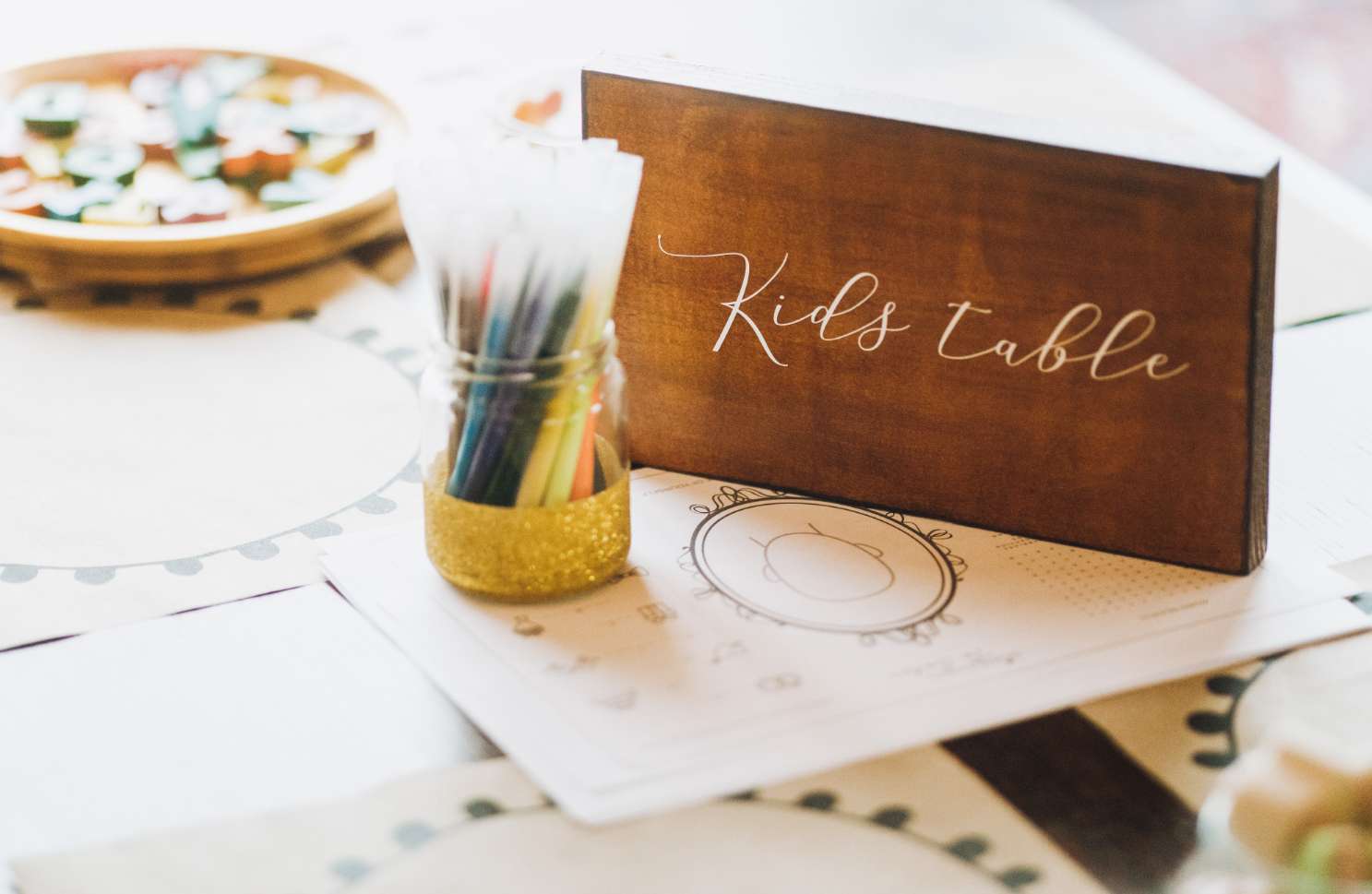
If your wedding includes children, consider setting up a kids’ table—but make sure it’s fun and engaging for them. If you have more than 10 children attending, it’s a good idea to provide a dedicated space for them. This could include fun activities such as colouring books, craft kits, or even a small play area, if the venue allows.
At one wedding I worked on in Melbourne, we set up a kids’ table just a few steps away from the parents’ table, so the kids could be supervised while still enjoying their own space. The kids had a blast, and their parents appreciated having some time to relax.
Accessibility And Comfort: Ensuring Everyone Has A Great Experience
Seating Elderly Guests
When considering seating for elderly guests, remember comfort and ease of access. Older guests may have difficulty navigating through crowded areas or dealing with loud music. At one wedding in Sydney, we seated elderly relatives near the back of the room but with a clear view of the dance floor and speeches. This way, they could comfortably enjoy the celebration without feeling overwhelmed by the noise.
Also, avoid seating them near high-traffic areas, such as the bar or the restroom entrance. Place them in a quieter spot, where they can still participate in the event while avoiding the hustle and bustle.
Wheelchair And Mobility Needs
Accessibility is crucial, especially for guests with mobility challenges. Always make sure there’s enough space for wheelchairs, walkers, and other mobility aids. At one wedding in Melbourne, we ensured that all wheelchair users had tables near accessible exits and restrooms. This small detail made a huge difference in ensuring everyone had a stress-free experience.
Hearing And Vision Considerations
Guests with hearing or vision impairments should be seated in spots where they can fully experience the event. For hearing-impaired guests, seat them near the speakers or the microphone so they don’t miss any important toasts or speeches. For guests with vision impairments, place them close to the head table so they can be part of the action.
Tools And Methods For Organising Your Wedding Seating Chart
Traditional Vs. Digital Tools For Planning
Creating a seating chart can be done manually or digitally, depending on your preference. Here’s a breakdown of each option:
- Traditional Tools:
- Index Cards: Write each guest’s name on a card, then move them around on a board or large sheet of paper. This method is tactile and flexible, making adjustments easy.
- Sticky Notes: Similar to index cards, sticky notes can be placed on a board and rearranged as needed. This method is also great for small weddings where the seating chart is straightforward.
- Digital Tools:
- Wedding Websites: Many wedding planning websites offer digital seating chart tools that let you easily drag and drop guests onto a virtual floor plan.
- Dedicated Software: Several wedding seating chart applications let you create detailed layouts and share them with your venue or planners.
Benefits of Digital Tools:
- Real-time updates: You can make last-minute adjustments and send updated charts to your venue staff.
- Customisation: Easily experiment with different table configurations without moving physical cards.
- Save time and paper: Ideal for couples with large guest lists.
Displaying The Seating Plan On The Big Day
Once your seating chart is finalised, it’s time to think about how to display it at the wedding. Here are a few methods:
| Method | Description | Pros | Cons |
| Seating Chart | A single large board listing names and table numbers in alphabetical order. | Efficient, easy for guests to find their seats. | Might be too formal or impersonal. |
| Escort Cards | Individual cards guests pick up to find their assigned table. | Personal touch works well for small weddings. | Can be time-consuming to set up and distribute. |
| Place Cards | Cards pare laced on each setting to indicate a specific seat at the table. | Very personalised, no confusion. | Not ideal for larger events. |
| QR Codes | QR codes that guests can scan on their smartphones to get their seating info. | Eco-friendly, great for tech-savvy couples. | Not suitable for non-tech-savvy guests. |
Final Steps: Double-Check And Stay Flexible
Review The Plan
Once your seating chart is done, it’s important to double-check everything. Go over the seating plan with your partner and, if needed, consult your parents or your wedding planner. A fresh set of eyes can catch any potential seating conflicts or overlooked relationships.
For example, during a wedding in Adelaide, the couple’s seating chart had a minor error: two guests with a longstanding grudge were seated at the same table. A quick review and adjustment prevented any awkward moments during the event.
Make sure to check for the following:
- Correct spelling of guest names.
- No one is left out or seated at the wrong table.
- Guests with dietary restrictions are placed at appropriate tables (e.g., vegetarian or gluten-free guests at the right table).
Prepare For Changes
Expect the unexpected! Last-minute changes are inevitable. Guests may cancel or bring along unannounced plus-ones, and you need to be ready to make adjustments.
Here’s how you can stay flexible:
- Keep a Master List: Whether digital or on paper, having one will make quick adjustments easier.
- Extra Cards: Have a few blank cards or a separate list of guests who can be swapped in or out if needed.
- Be Ready to Make Quick Changes: If the seating chart needs to be updated, having a digital version you can edit on the go is invaluable.
Focus On The Big Picture
The seating chart is important, but it’s just one part of the wedding. Guests will spend the majority of their time mingling, dancing, and enjoying themselves. Don’t get bogged down by minor details; the celebration’s overall atmosphere matters most.
After all, you want everyone to have a good time, regardless of where they sit. As one couple I worked with in Byron Bay said, “The seating chart doesn’t define the night – the people and the atmosphere do.”
A well-thought-out seating chart doesn’t just show where your guests will sit – it helps set the tone for your entire reception. By considering relationships, comfort, accessibility, and the flow of the event, you can create a seating arrangement that makes everyone feel welcome, relaxed, and ready to celebrate.
Take the time to plan it carefully, stay flexible, and remember that the key to a successful wedding isn’t just the seating—it’s the people who are there to share the day with you.