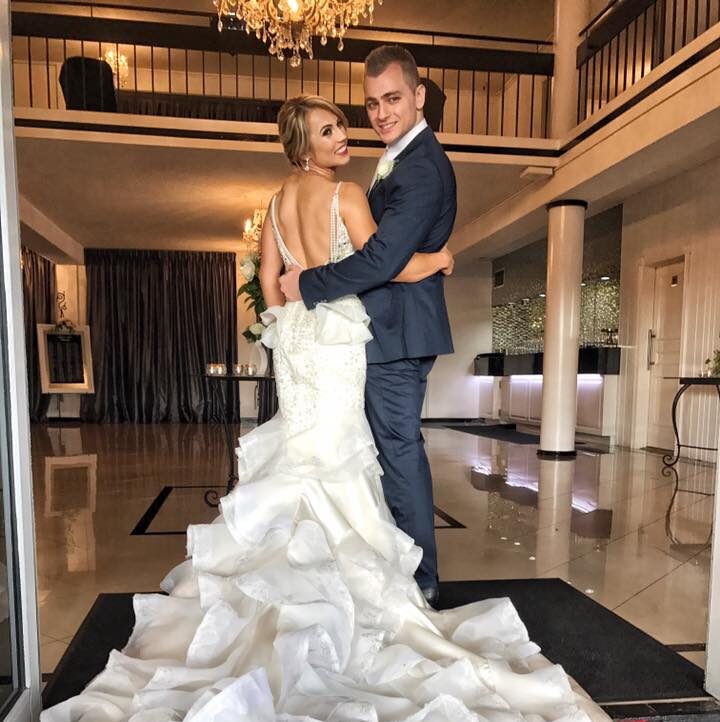
When I first walked into a reception room before the lighting team had finished their setup, it looked surprisingly ordinary. The tables were dressed, the flowers were in place, and the dance floor was ready. A few hours later, after the uplighting, fairy lights and feature lighting were switched on, it felt like an entirely different venue.
The walls seemed taller, the room felt warmer, and every detail stood out. After more than 20 years in Melbourne’s wedding industry, I’ve learned that lighting isn’t just about helping guests see. It’s one of the most effective ways to transform a wedding reception venue and create an atmosphere people remember long after the last dance.
The Moment Lighting Changes Everything at a Wedding Reception
Why Guests Notice Lighting Even When They Don’t Realise It
Most guests won’t walk into your reception and compliment the lighting. They will, however, comment on how beautiful, romantic or energetic the room feels.
That reaction usually comes from lighting.
Good lighting quietly controls the atmosphere. It can make a large ballroom feel intimate. It can make a warehouse feel elegant. It can even help guests transition from a formal dinner into a packed dance floor without anyone noticing the change.
One wedding I attended in Melbourne’s eastern suburbs looked fairly simple during setup. White linens. Neutral flowers. Minimal décor. Once the lighting team switched on the warm uplighting around the room and dimmed the chandeliers slightly, the entire venue came alive. It was proof that lighting often punches above its weight.
“Flowers decorate a room. Lighting transforms it.”
How Professional Wedding Reception Lighting Creates Atmosphere
Many couples assume venue lighting and event lighting are the same thing. They’re not.
Venue lighting allows people to see. Event lighting creates a feeling.
Professional wedding reception lighting Melbourne couples invest in often includes:
- Uplighting around walls and columns
- Dance floor lighting
- Pin spotting for centrepieces
- Fairy lights
- Feature lighting for entrances
- Adjustable dimming systems
Think of lighting as another styling layer. Just as you wouldn’t choose random flowers or table settings, your lighting should support the overall look of your wedding.
A ballroom wedding might focus on elegance and warmth. A modern industrial reception might use dramatic contrast and moodier tones.
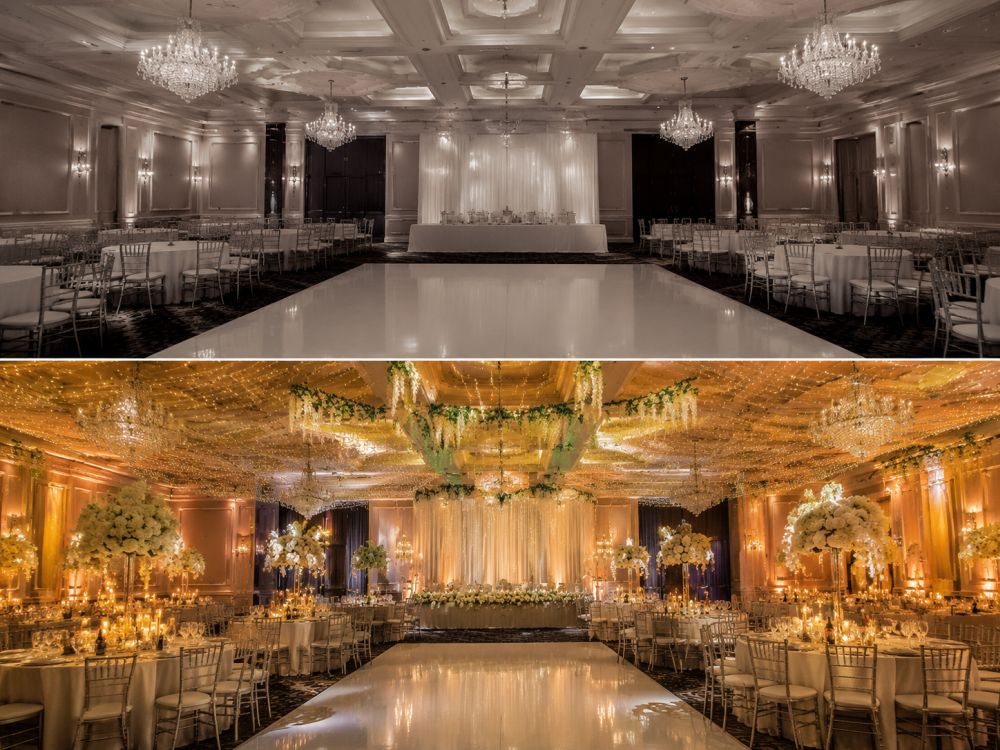
The goal stays the same: create a space where guests feel comfortable, engaged and excited.
Wedding Venue Lighting Ideas That Deliver the Biggest Impact
Uplighting Wedding Features That Instantly Add Depth
If I had to recommend one lighting upgrade for couples working with a limited budget, it would be uplighting.
Uplighting wedding installations sit on the floor and project light upwards onto walls, pillars and architectural details.
The effect is surprisingly dramatic.
Instead of flat walls disappearing into the background, the room gains depth and dimension. Large spaces feel more luxurious. Photographs gain more visual interest.
At many Melbourne ballrooms, including larger reception venues around Burwood East and the south-east suburbs, uplighting is often used to highlight columns, draped walls and entry points.
Benefits include:
- Relatively affordable
- Works in almost any venue
- Supports your colour palette
- Creates stronger photo backgrounds
- Helps define different areas of the room
Fairy Lights Wedding Venue Styling That Never Goes Out of Fashion
Some wedding trends come and go.
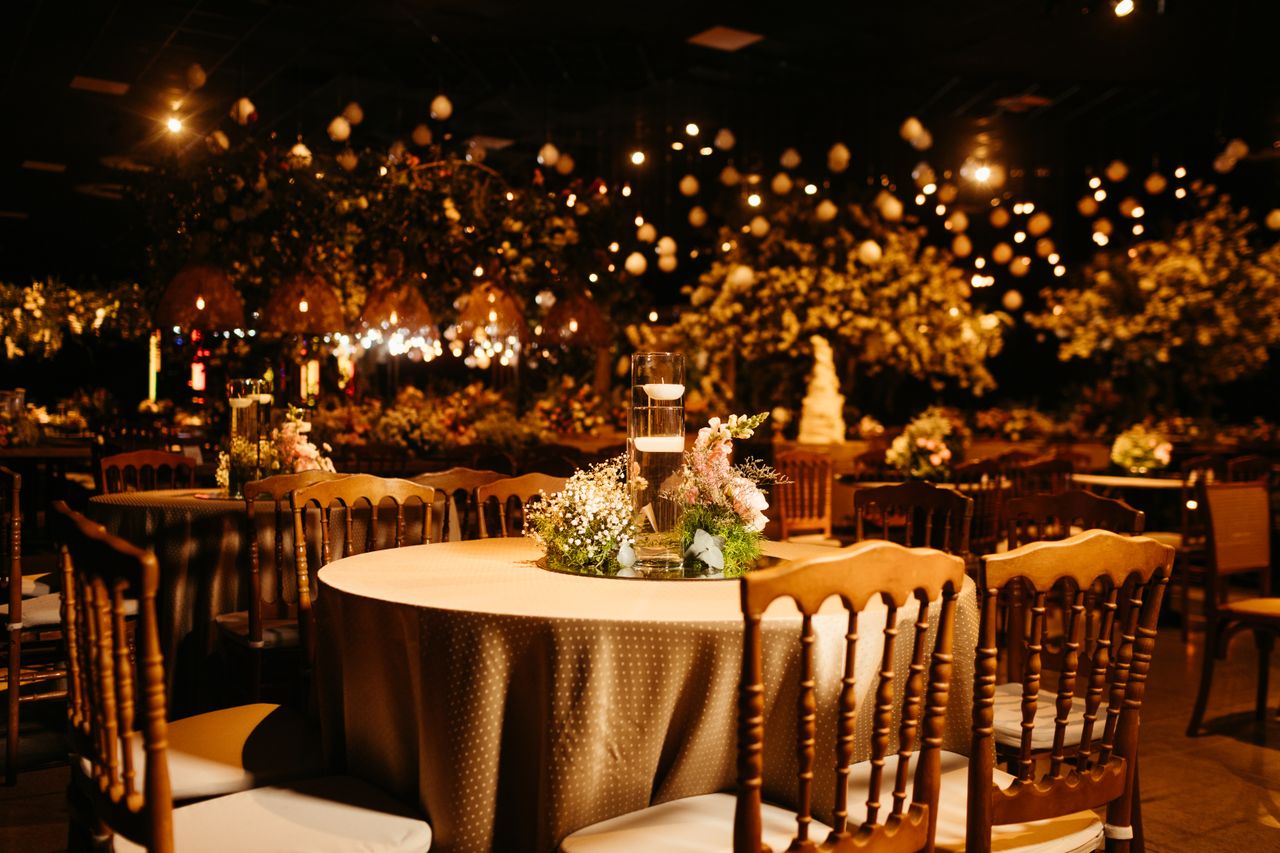
Fairy lights are not one of them.
A fairy lights wedding venue setup creates instant romance. Guests often describe the effect as dining beneath a sky full of stars.
Popular uses include:
- Ceiling installations
- Backdrops behind the bridal table
- Entrance features
- Courtyard lighting
- Outdoor cocktail spaces
Melbourne weather can be unpredictable. I’ve seen fairy lights work beautifully inside grand ballrooms during winter weddings and outside garden receptions during mild spring evenings.
One couple I worked with combined hanging greenery and fairy lights above every guest table. The result looked incredible without requiring excessive floral spending.
Pin Spot Lighting That Makes Styling Details Stand Out
Couples often spend thousands on flowers, cakes and centrepieces.
Then nobody can properly see them.
Pin spots solve that problem.
These narrow beams of light focus attention on important details throughout the room.
Common uses include:
- Wedding cakes
- Floral arrangements
- Sweetheart tables
- Statement décor
- Gift tables
Photographers particularly appreciate well-placed pin spots because they reduce shadows and improve image quality.
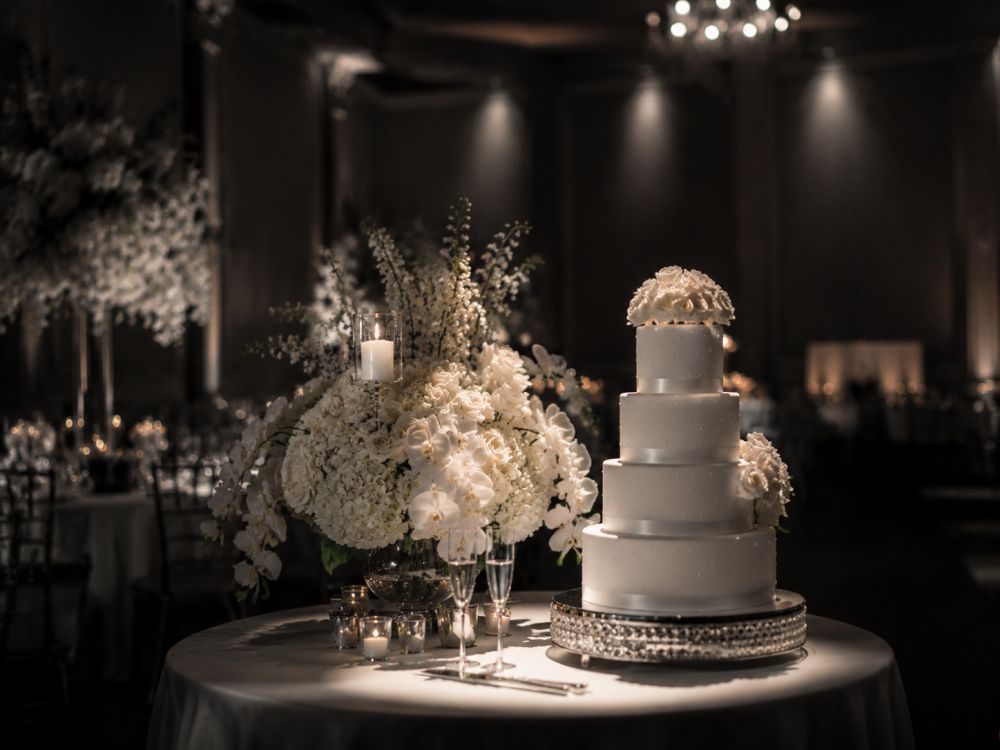
A beautifully designed cake sitting in a dark corner is money wasted. A simple pin spot ensures every detail gets noticed.
Matching Your Lighting Design to Your Wedding Venue
Why Ballroom Lighting Should Complement Existing Features
Ballrooms often come with beautiful design elements already built into the space. Crystal chandeliers, decorative ceilings, grand staircases and architectural detailing all contribute to the atmosphere.
The goal isn’t to cover these features with excessive lighting. Instead, the best wedding venue lighting ideas work alongside them.
When I attend weddings in Melbourne ballrooms, the most successful lighting designs usually focus on enhancement rather than reinvention. Warm uplighting can draw attention to columns and wall details, while subtle lighting around the room adds depth without distracting from the venue itself.
A well-lit ballroom should feel elegant and inviting throughout the night.
| Lighting Feature | Purpose |
| Warm uplighting | Adds depth to walls and architectural details |
| Pin spots | Highlights centrepieces and styling |
| Soft dance floor lighting | Creates a focal point for celebrations |
| Dimmed ambient lighting | Creates intimacy during dinner |
Using Lighting to Add Warmth to Industrial Spaces
Warehouse and industrial venues have become popular across Melbourne, but they present unique challenges.
During the day, exposed brick, steel beams and concrete floors create character. After sunset, those same features can make a venue feel cold if the lighting isn’t planned properly.
Lighting helps soften the space.
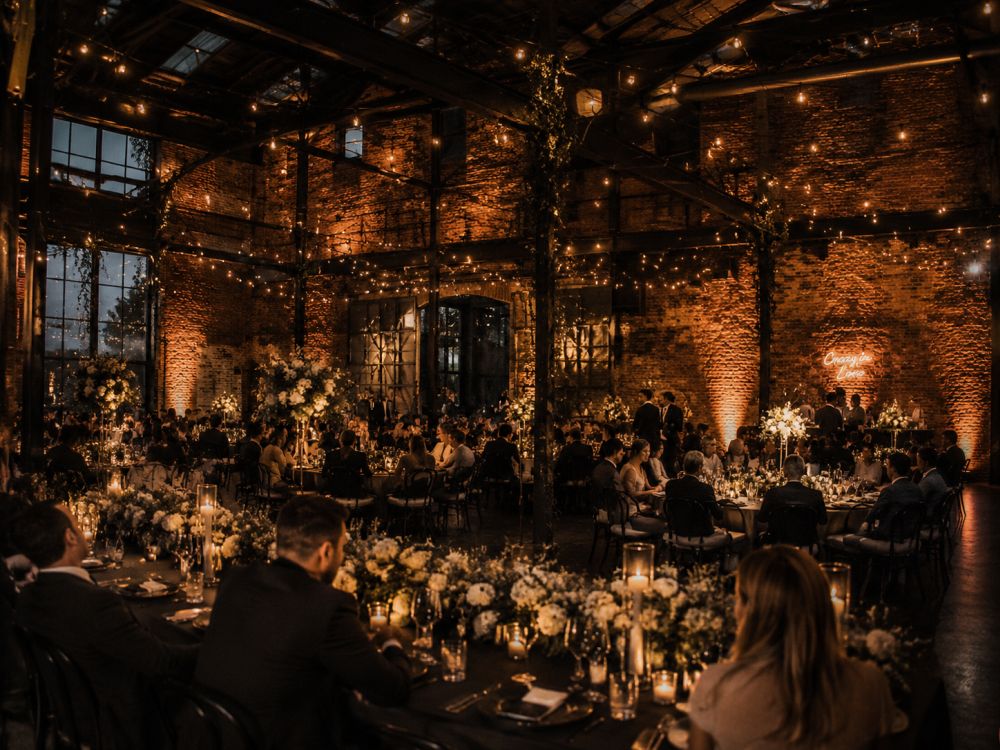
Warm wall washes can highlight brick textures. Hanging fairy lights in wedding venue installations can bring warmth overhead. Carefully positioned lighting can also separate dining areas from lounges and dance floors, helping guests move naturally through the reception.
I remember a wedding in a converted warehouse where the room initially felt enormous. By the time guests arrived, amber lighting, hanging festoons and illuminated feature walls had completely changed the atmosphere. The space felt welcoming instead of overwhelming.
Creating Atmosphere Inside a Marquee Reception
A marquee offers flexibility, but it starts as a blank canvas.
Without thoughtful lighting, even a beautifully styled marquee can feel unfinished once daylight fades.
This is particularly relevant for Melbourne weddings. During summer, many receptions begin in bright sunshine and continue long after dark. The lighting plan needs to carry guests through that transition.
Many couples combine several lighting elements, including:
- Ceiling fairy lights
- Statement chandeliers
- Perimeter lighting
- Dance floor lighting
- Illuminated entrances
The result is a reception space that feels complete from every angle.
Highlighting the Character of Historic Venues
Historic wedding venues already possess charm and personality. Good lighting simply helps guests appreciate those details.
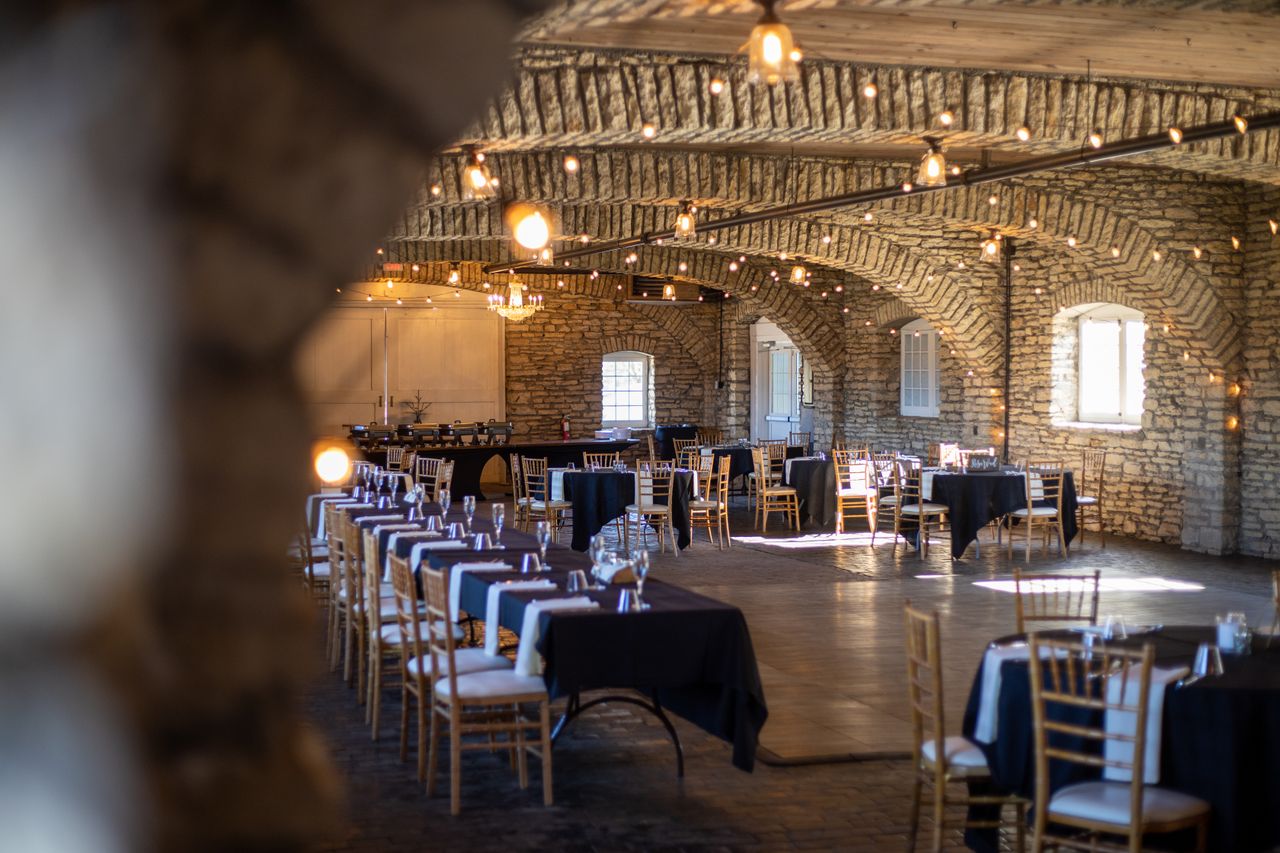
Rather than flooding the room with colour, focus on revealing textures and architectural features.
Areas worth highlighting often include:
- Heritage fireplaces
- Stone walls
- Decorative archways
- Timber beams
- Original mouldings
Warm lighting usually works best because it enhances older materials and preserves the venue’s natural character.
Choosing Wedding Lighting Colours That Work With Your Styling
Warm Tones Create an Elegant Reception Atmosphere
When couples ask me which lighting colour is safest, my answer is almost always warm white, champagne or soft amber.
These tones create a welcoming atmosphere and work well with most wedding styles.
They’re also flattering in photographs. Skin tones appear natural, floral arrangements maintain their colours, and the overall room feels comfortable.
Warm lighting works particularly well with:
- White and ivory flowers
- Neutral styling palettes
- Gold accents
- Traditional ballroom receptions
This is one reason warm tones remain popular across Melbourne wedding venues year after year.
Saving Bold Colours for the Dance Floor
Colour can dramatically influence the mood of a reception.
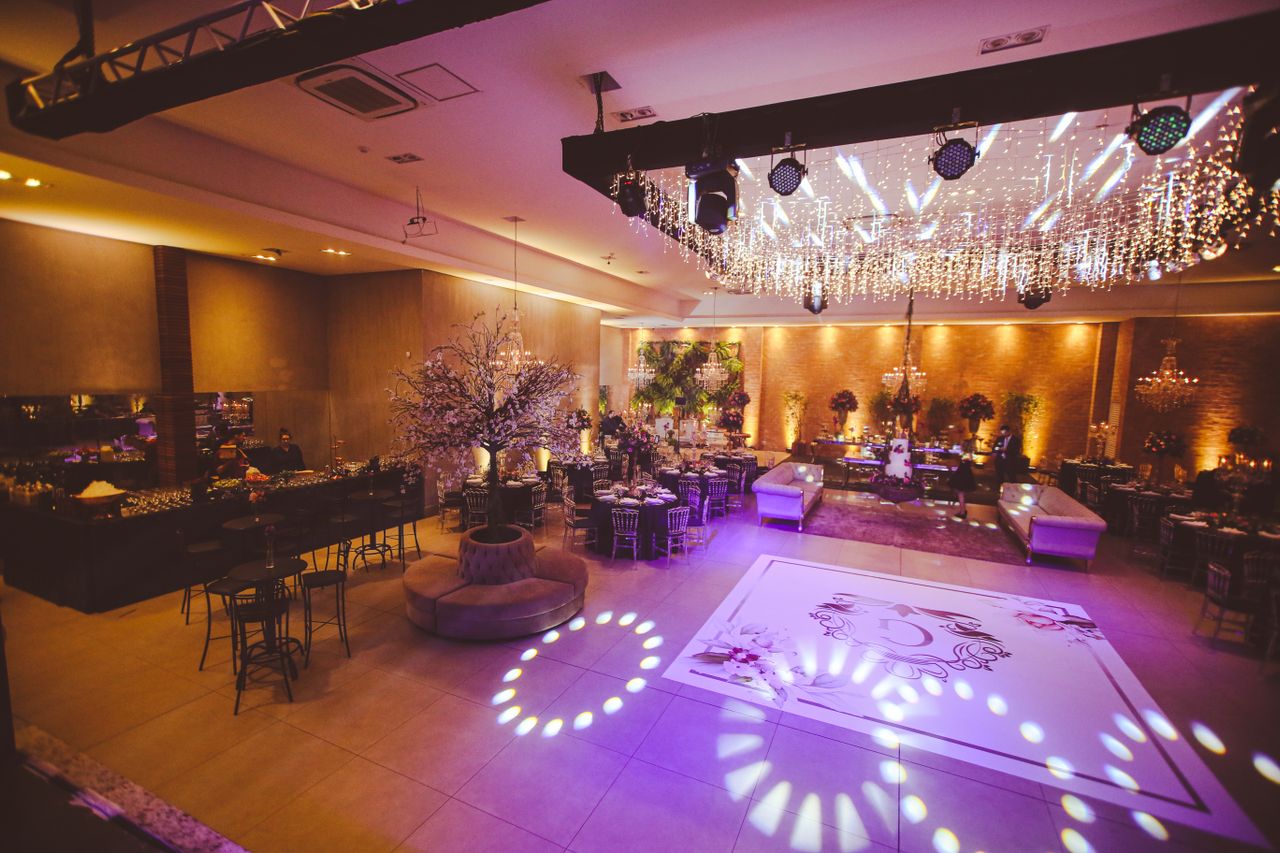
Deep blues, purples and magentas often work beautifully later in the evening when guests move from dinner to dancing.
During dinner service, however, strong colours can alter the appearance of food, flowers and décor. That’s why many lighting designers reserve bold colours for the celebration phase of the night.
A simple timeline might look like this:
| Reception Stage | Recommended Colour |
| Guest arrival | Warm white |
| Dinner service | Champagne or amber |
| Speeches | Soft warm tones |
| First dance | Warm spotlight |
| Dance floor | Blue, purple or magenta |
This gradual transition helps maintain the right atmosphere at every stage.
Making Sure Your Lighting Matches Your Wedding Theme
Lighting should support your styling choices rather than compete with them.
Before finalising your lighting plan, compare it against:
- Floral colours
- Bridesmaids’ dresses
- Table styling
- Stationery
- Ceremony décor
One of the easiest mistakes to make is selecting lighting colours in isolation. What looks beautiful in a showroom may clash with your reception styling on the day.
A quick review of all visual elements together can prevent costly changes later and help create a cohesive look across the entire celebration.
Lighting Key Moments Throughout Your Wedding Reception
Creating a Ceremony Setting Guests Will Remember
Whether your ceremony takes place in a ballroom, garden or dedicated ceremony space, lighting helps set the emotional tone.
The best ceremony lighting feels natural rather than obvious.
Soft lighting encourages guests to focus on the moment instead of their surroundings. During indoor ceremonies, many couples use a combination of natural light, candles and subtle ambient lighting to create a calm atmosphere.
I’ve noticed that some of the most moving ceremonies don’t rely on elaborate styling. Instead, they use gentle lighting that makes the room feel warm and intimate.
A simple approach often works best.
Building Excitement Before the Grand Entrance
A grand entrance marks the shift from formalities to celebration.
Lighting can help create anticipation before the bridal party enters the room.
Some venues dim the dining area slightly before the entrance begins. Others use focused lighting to guide attention towards the entry point.
The goal is simple: help every guest know where to look.
This small adjustment creates a stronger reaction when the couple enters and makes the moment feel more significant.
Making Your First Dance Stand Out
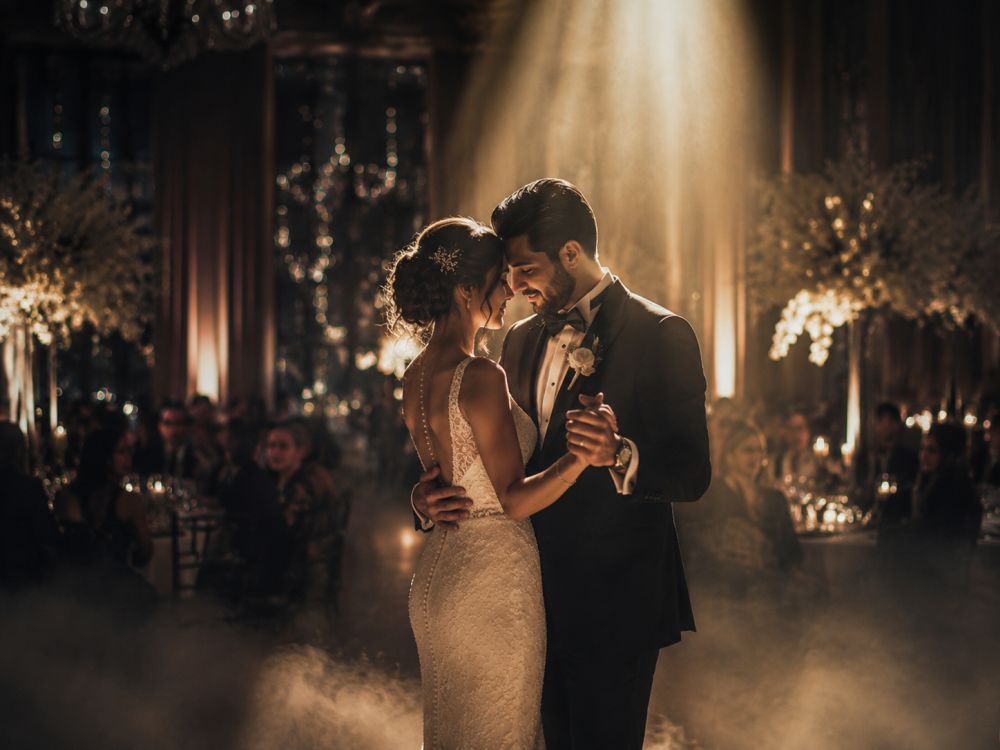
The first dance is one of the most photographed moments of the entire reception.
Without proper lighting, guests can struggle to see the couple clearly, and photographs may lose impact.
Many couples choose:
- A warm spotlight
- Soft dance floor lighting
- Subtle surrounding uplighting
This creates separation between the couple and the rest of the room while maintaining an intimate atmosphere.
I often tell couples to imagine the dance floor as a stage for a few minutes. Good lighting allows that moment to shine without feeling theatrical.
Giving Your Cake Cutting Moment Proper Attention
Cake cutting typically lasts only a few minutes, but it appears in countless wedding albums.
Unfortunately, it’s also one of the most overlooked lighting moments.
A simple pin spot can ensure:
- Clear photographs
- Better guest visibility
- Greater visual impact
Considering how much effort goes into selecting and designing a wedding cake, it deserves more than being hidden in a dark corner of the reception room.
Statement Lighting Features That Leave a Lasting Impression
Personalising the Room With Custom Gobos
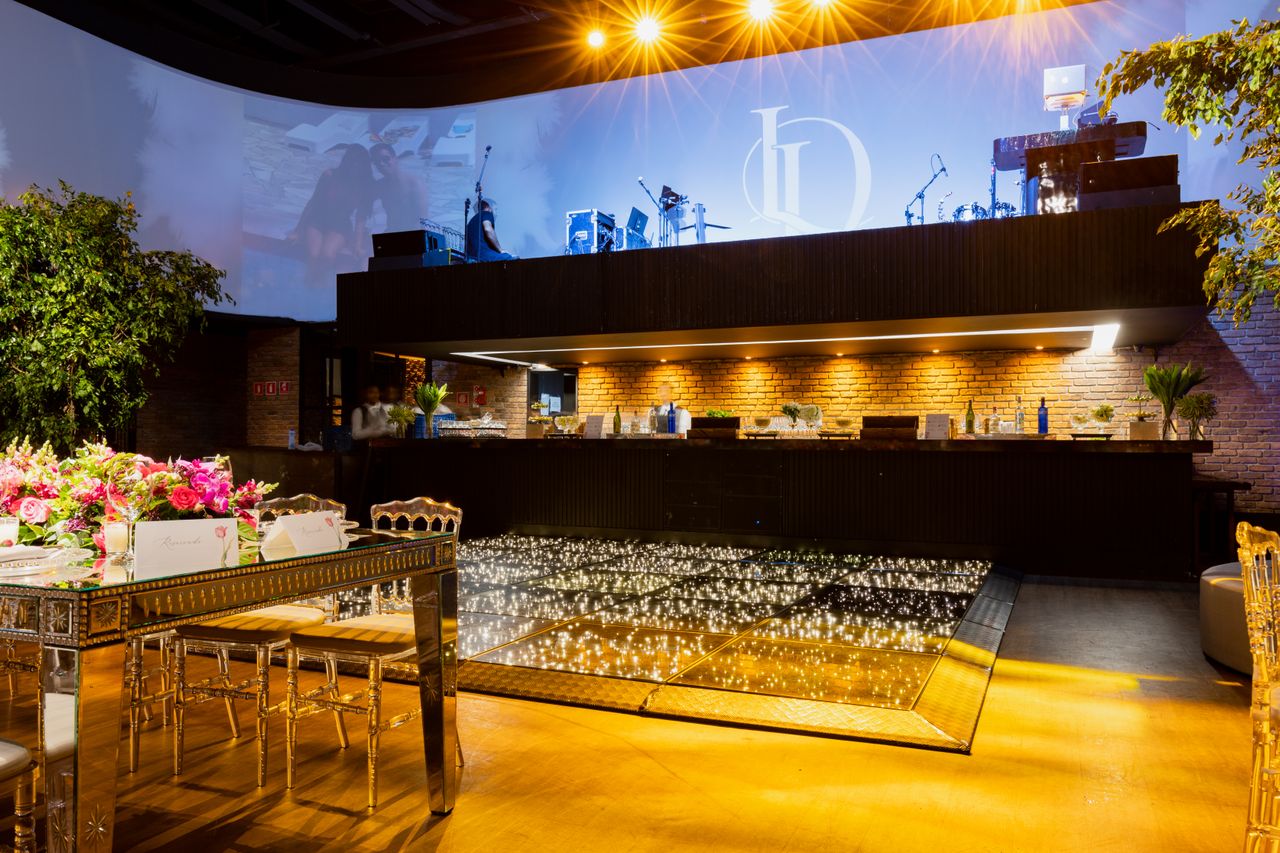
A gobo is a stencil placed inside a lighting fixture that projects a design onto a wall, ceiling or dance floor.
Popular options include:
- Monograms
- Wedding dates
- Initials
- Decorative patterns
Custom gobos can add a personalised touch without requiring major décor changes.
They’re particularly effective in larger venues where open floor space allows the projection to become a feature.
Using Neon Signs as Modern Reception Décor
Neon signs have become increasingly popular at Melbourne weddings.
They work well because they combine styling and lighting in one feature.
Common examples include:
- The couple’s surname
- Favourite sayings
- Romantic quotes
- Initials
Many couples position neon signs behind the bridal table or near a photo backdrop where guests naturally gather throughout the evening.
Why Disco Balls Are Back in Fashion
For years, disco balls were associated with nightclubs and retro parties.
Now they’re appearing at weddings everywhere.
Suspended above a dance floor, a disco ball reflects light across the room and creates movement without requiring complicated technology.
Combined with intelligent lighting, the effect can completely change the energy of the reception once dancing begins.
It’s a simple feature that often creates some of the most memorable photographs of the night.
Transforming Walls With Projection Technology
Projection technology allows couples to use walls, ceilings and screens in creative ways.
Applications can include:
- Wedding videos
- Animated visuals
- Custom artwork
- Photo montages
At larger receptions, projections can help fill expansive spaces while giving guests another visual element to enjoy.
Used sparingly, they can create a unique experience without overwhelming the room.
Practical Wedding Lighting Tips Every Couple Should Know
Visit Your Venue After Dark
One of the best pieces of advice I can give is to see your venue at night before finalising your lighting plan.
Many spaces look completely different after sunset.
During your visit, pay attention to:
- Existing lighting levels
- Dark corners
- Architectural features
- Outdoor pathways
- Dance floor visibility
What seems bright during the day may feel entirely different during your reception.
Speak With Your Photographer Early
Lighting and photography should always work together.
Before confirming your lighting design, discuss plans with your photographer.
Ask about:
- Colour temperatures
- Spotlight placement
- Potential shadows
- First dance lighting
A quick conversation can help avoid problems that only become obvious once the wedding day arrives.
Don’t Forget Safety Lighting
Atmosphere matters, but guest safety matters more.
Every reception should maintain adequate lighting around:
- Exits
- Staircases
- Walkways
- Bathrooms
- Car parks
The goal is to create ambience without making it difficult for guests to move comfortably around the venue.
Good lighting balances both requirements.
Where to Spend Your Wedding Lighting Budget First
Focus on the Areas Guests Will Notice Most
Lighting budgets can quickly grow if you try to illuminate every corner of a venue.
If you’re working with a fixed budget, prioritise the areas that will have the biggest impact on guest experience and photography.
In my experience, three areas consistently deliver the best value:
- The bridal table
- The dance floor
- The room perimeter
These spaces appear in hundreds of photographs throughout the night and naturally attract guest attention.
A well-lit bridal table helps the couple stand out during speeches, dining and candid moments. Dance floor lighting creates energy later in the evening, while perimeter uplighting gives the entire room depth and atmosphere.
A Simple Lighting Budget Guide
| Budget Level | Recommended Focus |
| Entry-Level | Uplighting wedding features and dance floor lighting |
| Mid-Range | Uplighting, fairy lights and pin spots |
| Premium | Full lighting design including intelligent lighting, projections and custom features |
You don’t need every lighting option available.
Many of the most impressive weddings I’ve attended relied on a handful of well-executed lighting elements rather than an endless list of special effects.
The old saying “less is more” often applies here.
Small Lighting Changes That Create a Big Transformation
What Melbourne’s Most Memorable Wedding Receptions Have in Common
After more than two decades attending weddings across Melbourne, I’ve noticed something interesting.
Guests rarely remember exactly how many flowers were on each table. They rarely remember the chair covers. Most couldn’t tell you the size of the centrepieces.
What they do remember is how the room felt. They remember walking into a reception and feeling excited. They remember the warmth during dinner. They remember the atmosphere when the dance floor filled up. Lighting influences every one of those moments.
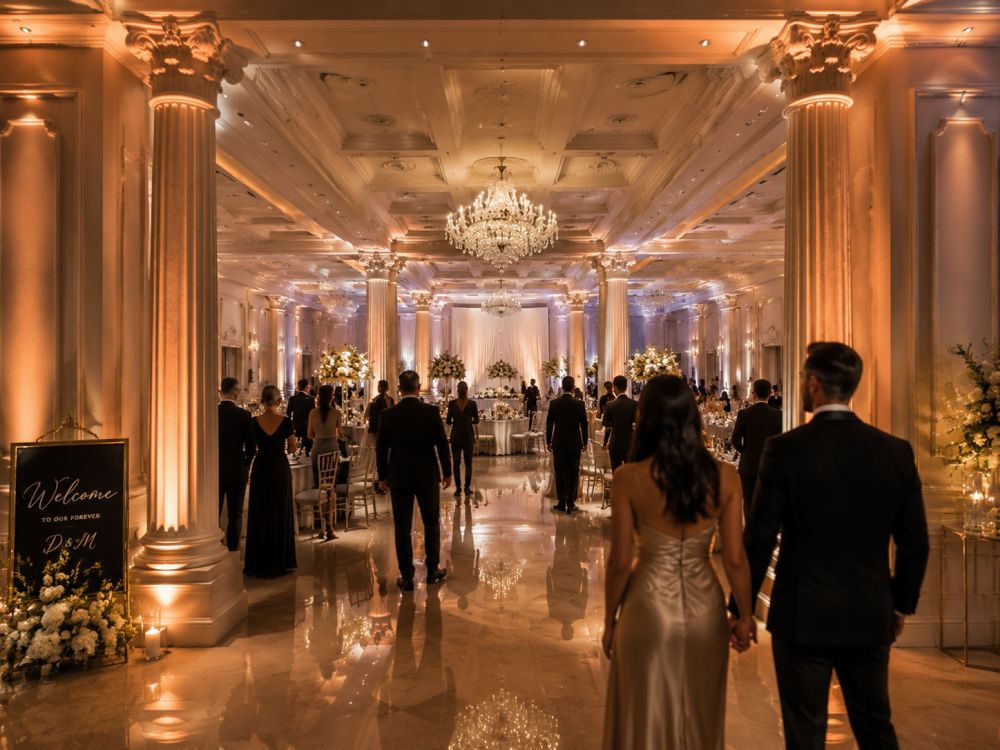
A well-designed lighting plan ties together architecture, styling, entertainment and guest experience. It helps create a reception that feels complete from the first entrance to the final song.
Your Wedding Reception Lighting Checklist
Before booking your venue or lighting supplier, work through this checklist:
- Decide what atmosphere you want to create.
- Review your venue after dark.
- Identify architectural features worth highlighting.
- Match lighting colours to your styling palette.
- Discuss lighting plans with your photographer.
- Prioritise the bridal table and dance floor.
- Include lighting for key moments such as entrances, first dances and cake cutting.
- Confirm safety lighting for pathways and exits.
- Ask whether dimmers are available.
- Request examples from previous weddings.
Even a modest lighting upgrade can dramatically improve the look and feel of a reception venue.
The key is planning with purpose rather than adding lighting as an afterthought.
When couples ask me how to light a wedding successfully, my answer is always the same: focus on atmosphere first. The most memorable wedding reception lighting Melbourne couples invest in isn’t necessarily the most expensive. It’s the lighting that supports the story of the day, highlights the venue’s best features and helps guests feel part of something special.