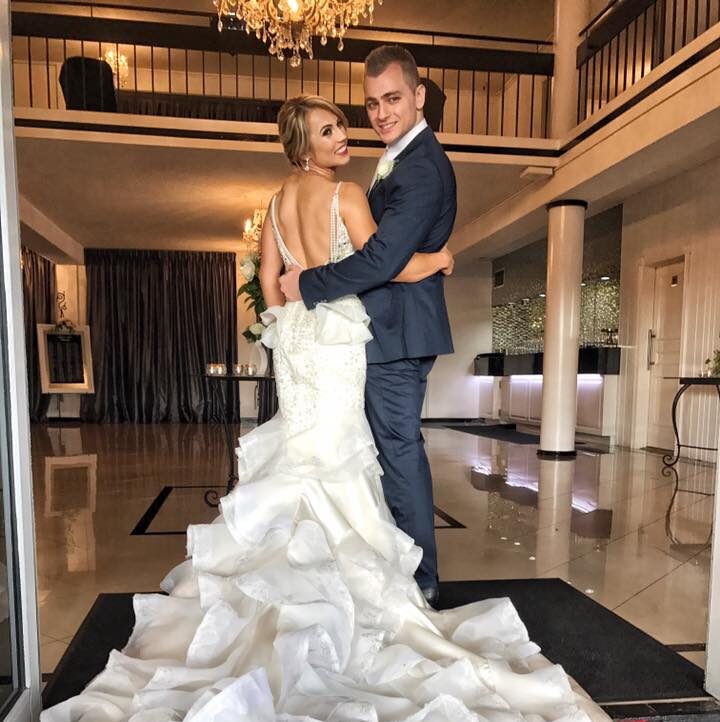
I’ve lost count of how many Melbourne couples I’ve seen plan a flawless wedding day, then quietly admit they have not talked about money, family boundaries, or how they fight when things get tense. They lock in florists and floor plans. They debate chair covers. Yet the conversations that shape the next 30 years often get pushed to “later”.
That’s where pre-marriage counselling steps in. More couples now see it as part of wedding prep, not a sign that something is wrong. I hear it framed the same way again and again: “We want to start strong.” Not perfect. Just prepared.
In Australia, this shift feels practical rather than emotional. Couples want fewer surprises after the honeymoon glow fades. They want tools, shared language, and fewer assumptions lurking under the surface. Pre-wedding counselling gives them a space to talk about the unglamorous stuff before it turns into friction.
What Is Pre Marriage Counselling And How It Works In Australia
Pre-Marriage Counselling Explained
Pre-marriage counselling is structured support for couples before they marry. It is not therapy for a broken relationship. It is a guided preparation. Think of it as learning the rules of the road before you start driving together.
In most cases, couples work with a trained counsellor over several sessions. These sessions focus on how you communicate, make decisions, and handle pressure as a team. The process often includes questionnaires, practical exercises, and guided conversations that many couples have never had before.
Pre-marriage counselling in Australia usually covers:
- Communication habits and conflict patterns
- Money attitudes and financial roles
- Family expectations and boundaries
- Values, beliefs, and long-term goals
- Parenting views, even if kids are years away
The aim is not agreement on everything. The aim is awareness. You cannot fix what you have never named.
How Premarital Counselling Differs From Couples Therapy
This is where many couples get stuck. They assume counselling means something is wrong. Premarital counselling works differently from standard couples therapy:
- It follows a clear structure
- It focuses on future planning, not past damage
- It teaches skills rather than unpacking blame
In Melbourne, many providers use evidence-based programs rather than open-ended talk sessions. You are guided. You are asked specific questions. You leave with tools you can actually use. I’ve seen couples walk in saying, “We don’t really argue,” then realise they avoid hard topics altogether. That insight alone can change how they approach marriage.
How Pre-Wedding Counselling Fits Australian Relationships
Australia’s relationship landscape is broad. Pre-marriage counselling reflects that. It suits:
- Engaged couples
- De facto partners planning a legal wedding
- Same-sex couples
- Couples blending families
- Couples marrying later in life
You do not need a religious affiliation. You do not need to be weeks from the wedding. Some couples start 12 months out. Others book sessions after they’ve locked in a venue and felt the pressure spike.
From a practical standpoint, counselling fits neatly into Australian systems. Many courses align with government-supported relationship education. Some are partially funded. Others are offered through community organisations at low cost. In Melbourne, sessions often run:
- Weeknights after work
- Saturdays
- Online for couples juggling schedules
That flexibility matters. Couples planning weddings already feel stretched. Counselling works best when it fits real life, not an ideal timetable.
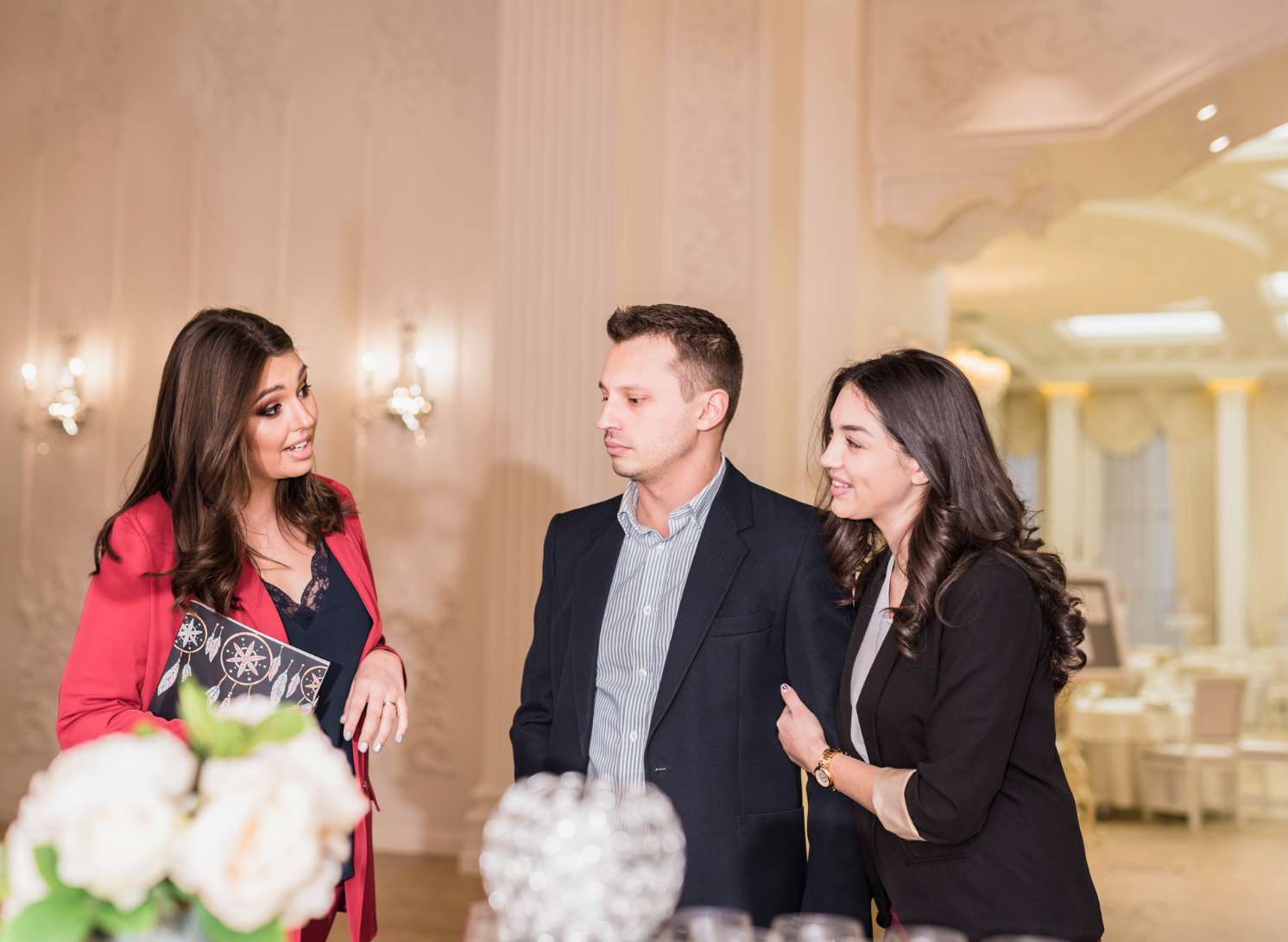
Who Provides Marriage Counselling In Australia
Pre-marriage counselling is usually delivered by:
- Registered psychologists
- Accredited counsellors
- Family therapists
- Relationship educators
Organisations such as Relationships Australia and the Hart Centre operate across Victoria and nationwide. Many practitioners specialise in couples counselling before marriage rather than general therapy. This specialisation matters. A counsellor trained in marriage preparation knows what tends to trip couples up in years two, five, and ten. They ask questions friends never think to ask.
Why Couples Are Choosing Counselling Before Marriage, Not After
The Shift From Crisis Repair To Relationship Prevention
For years, marriage counselling had a reputation problem. Couples booked sessions when things were already on the brink. Emotions were high. Resentment had set in. The goal was damage control.
That mindset has changed. More Australian couples now treat pre-marriage counselling like preventative care. The same way you service a car before a long road trip, not after it breaks down on the Monash in peak hour.
I’ve watched this shift play out with couples planning Melbourne weddings. The moment the guest list hits 120 and family opinions start flying, pressure shows up. Not in dramatic fights, but in quiet tension. One partner avoids the topic. The other keeps pushing. Nobody feels heard. Pre-wedding counselling steps in before those habits harden.
Couples use the sessions to ask:
- How do we argue without going for the jugular?
- What happens when one of us shuts down?
- How do we make decisions when we disagree?
These are not crisis questions. They are everyday marriage questions. Addressing them early saves a lot of wear and tear later.
Why Waiting For Problems No Longer Makes Sense
Many couples now see the gap between wedding planning and marriage planning. One lasts months. The other lasts decades. The old idea was simple: love will carry us through. Love helps. Skills carry you further.
I once worked with a couple from the northern suburbs who described themselves as “low conflict”. In counselling, they realised they avoided tough conversations altogether. Money was one topic they both dodged. Each assumed the other would handle it the same way they did.
They were not fighting. They were drifting. That realisation came before the wedding, not five years later with a shared mortgage and built-up frustration. That timing matters.
The Real Issues Couples Discover Before The Wedding
Most couples enter counselling confident. Many leave surprised. Pre-marriage counselling often brings unspoken assumptions to the surface, including:
- Money habits
One partner saves. The other spends to relieve stress. Neither sees it as a problem until bills pile up. - Family involvement
How often do parents drop by? Who gets a say? Where boundaries sit. - Household roles
Who carries the mental load? Who assumes what will “just happen”. - Career expectations
Relocation. Long hours. Career breaks. - Conflict styles
One pushes to resolve. The other needs space.
These topics are not red flags. They are normal. Problems arise when couples assume agreement without checking. Counselling gives couples permission to talk about these things without it turning into a fight.
A Common Melbourne Scenario
Here’s a situation I’ve seen more than once. A couple of books, a venue, locks in a date, and suddenly realises they are $15,000 over budget. One partner wants to cut the guest list. The other feels pressure from family. Nobody wants to disappoint anyone. Outside counselling, that stress often leaks into unrelated arguments. Inside counselling, it becomes a structured conversation:
- What matters most to each of us?
- Where can we compromise?
- How do we make this decision together?
The issue is not the money. The issue is how decisions are made under stress. That skill carries straight into marriage.
Why This Approach Appeals To Modern Couples
Younger Australian couples, in particular, value accountability. They are less interested in blame and more interested in tools. They want:
- Clear frameworks
- Practical language
- A shared playbook
Pre-marriage counselling provides that. It gives couples a way to talk about hard topics without feeling like they are failing. One bride summed it up perfectly after a session in Richmond: “We realised the goal isn’t to avoid conflict. It’s to handle it better.” That mindset shift explains why couples are choosing counselling before marriage, not after.
The Proven Benefits Of Pre-Marriage Counselling
Higher Relationship Success Rates Backed By Research
One of the reasons pre-marriage counselling has gained traction in Australia is simple. It works. Multiple long-term studies show that couples who complete premarital counselling experience a 30 to 31 per cent higher relationship success rate than those who do not. That figure tends to stop couples mid-scroll. It is not vague. It is measurable.
Success, in this context, does not mean a conflict-free marriage. It means lower rates of separation, better conflict management, and higher reported satisfaction over time. In real terms, couples who attend counselling are more likely to:
- Address issues early
- Recover faster after disagreements
- Feel heard during stressful periods
I’ve seen this play out years after the wedding. Couples circle back and say, “We still use the tools we learned.” That kind of carry-over is rare with one-day decisions. It is common with skill-based preparation.
What These Numbers Look Like In Real Life
Statistics matter, but everyday outcomes matter more. A couple I worked with in Melbourne’s inner west hit their first major stress test six months after marriage. One partner lost a job. Money tightened. Tempers flared.
Instead of spiralling, they recognised what was happening. One needed reassurance. The other needed time to think. They named it. They adjusted. The situation was still hard, but it did not turn personal. That awareness did not come naturally. It came from premarital counselling.
Communication Skills Couples Actually Use
Most couples believe they communicate well. They talk every day. They share memes. They plan holidays. Communication breaks down when emotions run high. Pre-marriage counselling focuses on:
- How to raise issues without accusation
- How to listen without planning your reply
- How to pause arguments before they escalate
Rather than vague advice, couples practise real conversations. Money. Sex. Family. Stress. A common exercise asks couples to repeat what they heard before responding. It sounds simple. It changes everything. Many couples tell me it feels awkward at first. Then it becomes second nature. That shift alone prevents countless arguments from blowing up.
Why Communication Fails Without Structure
Without guidance, couples often fall into predictable patterns:
- One partner pushes for a resolution
- The other withdraws
- Both feel misunderstood
Counselling gives names to these patterns. Once named, they are easier to manage. Instead of thinking, “You never listen,” the conversation becomes, “We’re stuck in our usual loop.” That small change lowers defensiveness and keeps discussions productive.
Relationship Counselling Before Marriage Builds Shared Language
One of the biggest benefits couples mention is shared language. After counselling, couples stop arguing about who is right and start talking about what is happening. That shift reduces blame and increases teamwork. They develop phrases like:
- “I’m feeling overwhelmed”
- “I need reassurance right now”
- “Let’s come back to this later”
These phrases sound simple. They prevent damage. When both partners recognise the same patterns and terms, they solve problems faster. That skill stays relevant long after the thank-you cards are sent.
A Practical Payoff After The Wedding
The wedding day ends. Marriage continues. Couples who invest in pre-marriage counselling often say the real benefits show up later:
- During house purchases
- When families clash
- When careers shift
- When health or finances change
These moments test relationships. Preparation does not remove stress. It changes how couples respond. That difference explains why so many Australian couples now see counselling as part of marriage planning, not an optional extra.
The Financial Case For Pre-Marriage Counselling
Wedding Costs Versus Marriage Costs In Australia
Most couples have a clear picture of what their wedding costs will be. They track deposits, balance due dates, and final invoices down to the dollar. Fewer couples stop to consider the marriage itself. Pre-marriage counselling forces that comparison, and it often changes priorities.
In Australia, the average wedding now runs well into five figures. Flowers last a day. Photography captures a moment. Catering feeds guests once. None of these are bad choices, but they are short-term. Marriage, on the other hand, is a long-term financial partnership. When couples look at the numbers side by side, counselling starts to make sense.
A simple comparison many couples make:
- Wedding styling upgrades: several thousand dollars
- Pre-wedding counselling: a few sessions over months
- Financial impact of separation or divorce: often $15,000 to $18,000 or more in legal and related costs
The maths is not emotional. It is practical.
Why Couples See Counselling As Value, Not An Extra
I often hear couples say, “We wish someone had told us this earlier.” Pre-marriage counselling helps couples avoid:
- Costly misunderstandings about money
- Silent resentment around spending
- Mismatched expectations about saving and debt
One Melbourne couple I spoke with assumed they shared the same financial mindset. In counselling, they realised one saw savings as security, while the other saw spending as freedom. Neither was reckless. Neither was wrong. Naming that difference early helped them design a joint system rather than fight over transactions later. That clarity alone saved them far more than the cost of counselling.
How Counselling Addresses Money Without Judgement
Money discussions in counselling stay grounded.
Couples talk about:
- Spending habits
- Debt tolerance
- Saving priorities
- Joint versus separate accounts
The goal is not a single “right” system. The goal is a shared one. Counsellors help couples set rules they both understand. Rules reduce friction. Ambiguity creates tension. This approach works particularly well for couples who combine finances later in life or bring assets into the marriage.
Government Support And Affordable Options In Australia
Cost is one reason some couples hesitate. In Australia, that barrier is lower than many realise. Several programs receive funding support through the Department of Social Services. This funding allows eligible couples to access relationship education at reduced rates. Across Melbourne and Victoria, couples can find:
- Low-cost counselling through community organisations
- Subsidised group programs
- Sliding-scale private services
Some courses cost less than a single wedding centrepiece.
A Practical Cost Breakdown Couples Often See
| Item | Typical Cost |
| Wedding add-ons | $2,000–$5,000 |
| Pre-marriage counselling (4–6 sessions) | A fraction of that |
| Legal and emotional cost of separation | Significantly higher |
When couples see the comparison laid out, counselling shifts from “nice to have” to “worth it”.
Why Financial Alignment Reduces Stress After Marriage
Money remains one of the most common sources of stress in long-term relationships. Counselling does not remove financial pressure. It changes how couples face it together. Couples who discuss finances before marriage:
- Argue less about spending
- Make clearer joint decisions
- Recover faster after setbacks
That stability pays off long after the wedding day.
Popular Pre-Marriage Counselling Programs Used In Australia
Prepare/Enrich And Why It’s So Widely Used
Prepare/Enrich is one of the most common pre-marriage counselling tools used across Australia, including Melbourne. Many counsellors describe it as the gold standard, and for good reason. The program starts with a detailed online questionnaire completed by both partners. It covers communication, finances, conflict, family background, values, and expectations. The results are not pass/fail. They are a map.
What couples appreciate most is how specific the feedback is. Instead of vague advice, the counsellor can say, “This is where you’re aligned, and this is where tension may show up.”
In practice, this often leads to productive conversations couples have never had. One Melbourne couple told me the assessment helped them realise they agreed on having children but had never discussed how they wanted to parent. That insight came before the wedding. Not after a sleepless year.
How Prepare/Enrich Sessions Usually Run
Most couples follow a clear structure:
- Complete the assessment independently
- Review results with a trained facilitator
- Focus sessions on growth areas
- Develop practical strategies together
The structure suits couples who like clarity and direction. It also keeps sessions efficient, which matters when wedding planning already fills the calendar.
Gottman Method And The Sound Relationship House
The Gottman Method is another widely used approach in couples counselling before marriage. It is built on decades of research into what makes relationships succeed or fail. At the centre is the Sound Relationship House, which focuses on:
- Knowing each other deeply
- Building respect and fondness
- Managing conflict rather than avoiding it
Rather than trying to eliminate disagreements, couples learn how to argue without causing damage. I’ve seen couples use Gottman tools during wedding planning itself. They notice when conversations turn critical or defensive and adjust before things escalate. That awareness alone changes the tone of discussions.
Why the Gottman Approach Appeals to Practical Couples
The method appeals to couples who want:
- Clear frameworks
- Research-backed tools
- Skills they can practise daily
It avoids abstract language. Couples leave with exercises they can use at home, not just insights that feel good in session.
The Right Match: An Australian-Designed Program
The Right Match is designed by the Hart Centre and focuses heavily on compatibility and future planning. It is particularly popular with couples who want a reality check before making legal commitments. The questionnaire digs into:
- Values and beliefs
- Expectations around family and roles
- Conflict triggers
- Long-term life direction
Because it is Australian-designed, the scenarios feel familiar. Issues like blended families, work-life balance, and extended family involvement reflect local realities.
Emotionally Focused Therapy (EFT) For Secure Bonds
Emotionally Focused Therapy focuses on attachment and emotional safety. Rather than analysing behaviour alone, EFT looks at the emotional needs underneath.
Couples learn to:
- Recognise emotional triggers
- Respond with empathy rather than defence
- Create a sense of security during stress
This approach works well for couples who want to strengthen their emotional connection before marriage. It is also helpful for those who already notice recurring emotional patterns they want to understand better.
Choosing The Right Program For Your Relationship
There is no single best program. The right choice depends on what a couple wants to work on. Some prefer structured assessments. Others want deeper emotional exploration. Many Melbourne counsellors combine approaches to suit the couple in front of them. The key is not the brand. It is the willingness to engage honestly with the process.
Religious And Secular Approaches To Pre-Marriage Counselling
Faith-Based Marriage Preparation Courses
Faith-based marriage preparation has long been part of wedding planning in Australia, particularly for couples marrying within churches or religious communities. These courses remain popular, but their focus has shifted. Modern faith-based programs tend to balance belief with practicality.
Sessions often cover:
- Commitment and shared values
- Communication and conflict
- Money management
- Family and parenting expectations
In Melbourne, many churches require couples to complete a marriage preparation course before a religious ceremony. These courses are usually facilitated by trained leaders or accredited counsellors and follow structured content rather than informal chats.
Couples often say they appreciate the space to discuss real-life issues within a framework that aligns with their beliefs. For some, this creates a stronger sense of meaning around the commitment they are making.
How Religious Counselling Works In Practice
Faith-based counselling usually runs over several sessions in the months leading up to the wedding. It may include:
- Guided discussions
- Workbooks or questionnaires
- Individual and joint reflections
The tone is typically supportive rather than prescriptive. While belief systems shape the conversation, couples are still encouraged to speak openly and honestly. For couples who value shared faith, this approach can feel grounding during a busy planning period.
Secular Counselling For Modern Relationships
Secular pre-marriage counselling suits couples who want practical tools without religious framing. This is the most common choice for Melbourne couples.
Secular sessions focus on:
- Values and priorities
- Decision-making styles
- Emotional needs
- Long-term planning
The emphasis stays on skills rather than doctrine. Couples work through scenarios drawn from everyday life, not moral instruction. This approach works particularly well for:
- Mixed-belief couples
- Same-sex couples
- Couples marrying later in life
- Those who value flexibility
Blending Approaches To Suit The Couple
Many couples choose a blended approach. They may complete a faith-based requirement for their ceremony, then book additional secular counselling for deeper practical work.
Melbourne counsellors often adapt programs rather than follow rigid scripts. This flexibility allows sessions to reflect the couple in front of them rather than a one-size-fits-all model. The best approach is the one couples fully commit to.
Choosing The Right Fit
The decision is not about right or wrong. It is about comfort and alignment. Couples should ask:
- Do we feel safe speaking openly in this setting?
- Does the program reflect our values?
- Are we gaining practical tools we can use?
If the answer is yes, the approach is working.
Is Pre-Marriage Counselling Right For Every Couple?
Couples Who Benefit The Most
Pre-marriage counselling is not reserved for couples in trouble. In practice, it tends to benefit couples who care deeply about getting things right. From what I’ve seen across Melbourne and wider Australia, counselling is especially useful for:
- Couples marrying for the first time
- Couples bringing children from previous relationships
- Cross-cultural or interfaith couples
- Couples marrying later in life with established habits
- Couples under time or financial pressure
These situations add layers to decision-making. Counselling helps couples slow things down and make choices deliberately rather than reactively.
One couple I worked with were blending two families while planning a wedding. The sessions gave them a place to talk about parenting roles without children present. That clarity reduced tension at home almost immediately.
When Counselling Feels Unnecessary At First
Some couples hesitate because they feel solid. They communicate well. They rarely argue. That does not mean counselling will not help. Often, the strongest relationships gain the most. They use counselling to refine what already works and stress-test future scenarios before they happen. Think of it as strengthening a structure before weight is added.
Common Myths That Stop Couples From Booking
A few myths still hold couples back. They are worth addressing directly.
- “We don’t have problems.”
Counselling is not about fixing problems. It is about preventing avoidable ones. - “It will create issues that don’t exist.”
Counselling surfaces differences that already exist. Ignoring them does not make them disappear. - “We already communicate well.”
Most couples do. Until stress enters the picture. - “It’s only for couples who are struggling.”
In Australia, the trend is moving in the opposite direction.
Once these myths fall away, couples often wonder why they waited so long.
Pre-marriage counselling has become a practical choice for Australian couples who want more than a beautiful wedding day. It gives couples time and space to talk about money, family, communication, and expectations before life speeds up. Rather than guessing how marriage will feel, couples learn how they work together under pressure.
In Melbourne, especially, where weddings often involve large families, busy schedules, and big decisions, this preparation helps couples enter marriage with confidence. The goal is not perfection. The goal is clarity, teamwork, and a shared plan for the years ahead.