I still remember the first naked cake I saw at a Melbourne wedding. It wasn’t on a styled shoot or an Instagram feed. It was sitting proudly on a timber table at a Yarra Valley winery, surrounded by eucalyptus leaves and mismatched candles. No fondant. No glossy finish. Just layers of vanilla sponge, thick buttercream, and fresh figs pressed gently into the sides. Guests didn’t ask where the icing was. They asked for seconds.
That moment sums up why the naked wedding cake has gone from “alternative option” to a firm favourite across Australian weddings.
A naked cake strips things back. It shows the sponge. It shows the filling. It puts flavour first and decoration second. For couples planning rustic, garden, winery, boho, or relaxed ballroom weddings, this style fits like a glove. It looks intentional without trying too hard, and it photographs beautifully in natural light.
In this guide, I’ll discuss what a naked cake really is (and what it isn’t), the key differences between a naked cake and a semi-naked cake, and design ideas that suit Australian seasons. I’ll also cover costs, pros and cons, and common mistakes I see couples make, as well as smart alternatives to consider if a fully naked cake isn’t the right fit.
What A Naked Wedding Cake Really Is (And Why Couples Love Them)
A naked wedding cake is exactly what it sounds like. There is no thick outer layer of icing hiding the sponge. No fondant shell. No perfectly smooth buttercream walls. What you see is the cake itself — the layers, the filling, and the texture that usually gets covered up. In practical terms, a naked cake is made up of:
- Exposed sponge layers
- Visible fillings such as buttercream, ganache, curd, or jam
- Little to no exterior icing
That simplicity is the appeal. Couples choose naked cakes because they feel honest. There’s nothing flashy about them, yet they still hold their own as a centrepiece on a wedding cake table.
I often hear couples say, “We don’t really like wedding cake.” What they usually mean is they don’t like heavy fondant or thick icing. A naked cake solves that problem straight away. The flavour comes through first. The sweetness stays balanced. Guests eat the cake because they enjoy it, not just because it’s there.
One Melbourne baker I work with summed it up perfectly during a tasting: “A naked cake doesn’t pretend to be anything else. If the sponge isn’t good, everyone knows.” That’s also why this style suits couples who value food quality. There’s nowhere to hide mistakes. The sponge has to be moist. The fillings have to be right. When it’s done well, it’s hard to beat.
The Simple Definition Guests Actually Understand
From a guest’s point of view, a naked cake feels familiar. It looks like a cake you’d actually want to eat. Layers are clear. Flavours are visible. There’s no confusion about what’s inside.
At weddings I’ve attended across Victoria and regional New South Wales, naked cakes often draw guests in before the formal cake cutting. People lean in. They ask what flavour it is. They notice the fruit, the flowers, or the dusting of sugar on top. It invites curiosity. That reaction matters. A wedding cake shouldn’t just be decorative. It should feel like part of the celebration.
Naked Cake Vs Traditional Wedding Cake — What Changes On The Day
Choosing a naked cake changes a few things on the wedding day, and most of them are positive — if you plan for them. Here’s what I see play out in real weddings:
- Taste: Naked cakes usually get eaten faster. Plates come back empty.
- Look: They suit relaxed styling and natural light. They don’t suit ultra-formal, high-gloss décor.
- Timing: They are often assembled closer to the reception to keep the sponge fresh.
- Expectations: Guests don’t expect perfection. They expect warmth and flavour.
I once worked with a couple who held their reception in a Fitzroy warehouse venue. Exposed brick. Long tables. Native florals. A traditional fondant cake would have felt stiff in that space. The naked cake they chose matched the room and the mood. It didn’t try to steal attention. It belonged there. That’s the real reason couples love naked wedding cakes. They fit the day instead of fighting it.
Naked Cake Vs Semi-Naked Cake — Which One Suits Your Wedding Better?
This is one of the most common points of confusion I see when couples start talking to bakers. Many people say “naked cake” when what they actually want is a semi-naked cake. The difference matters, especially in Australian conditions. Both styles show the sponge. Both suit rustic and relaxed weddings. But they behave very differently on the day.
Naked Cake Explained With Real Wedding Examples
A true naked cake has no icing on the outside at all. The sponge layers sit fully exposed, with the filling sandwiched between them. It’s the raw, stripped-back version of the trend. I’ve seen naked cakes work beautifully in:
- Indoor receptions with stable temperatures
- Evening weddings where the cake is served soon after arrival
- Smaller guest lists where the cake is cut early
One wedding that stands out was a winter celebration in the Dandenong Ranges. The ceremony finished just before sunset. The cake was cut within an hour of guests arriving at the reception. No heat. No waiting around. The cake tasted fresh and looked exactly as intended.
Where naked cakes struggle is outdoor summer weddings. Exposed sponge dries quickly. If the cake sits out for hours in warm air, it shows. Edges darken. Texture changes. That’s not a baker problem — it’s physics. A fully naked cake requires more attention to timing and venue. When those pieces line up, it shines.
Semi-Naked Cake Explained For Couples Who Want A Polished Finish
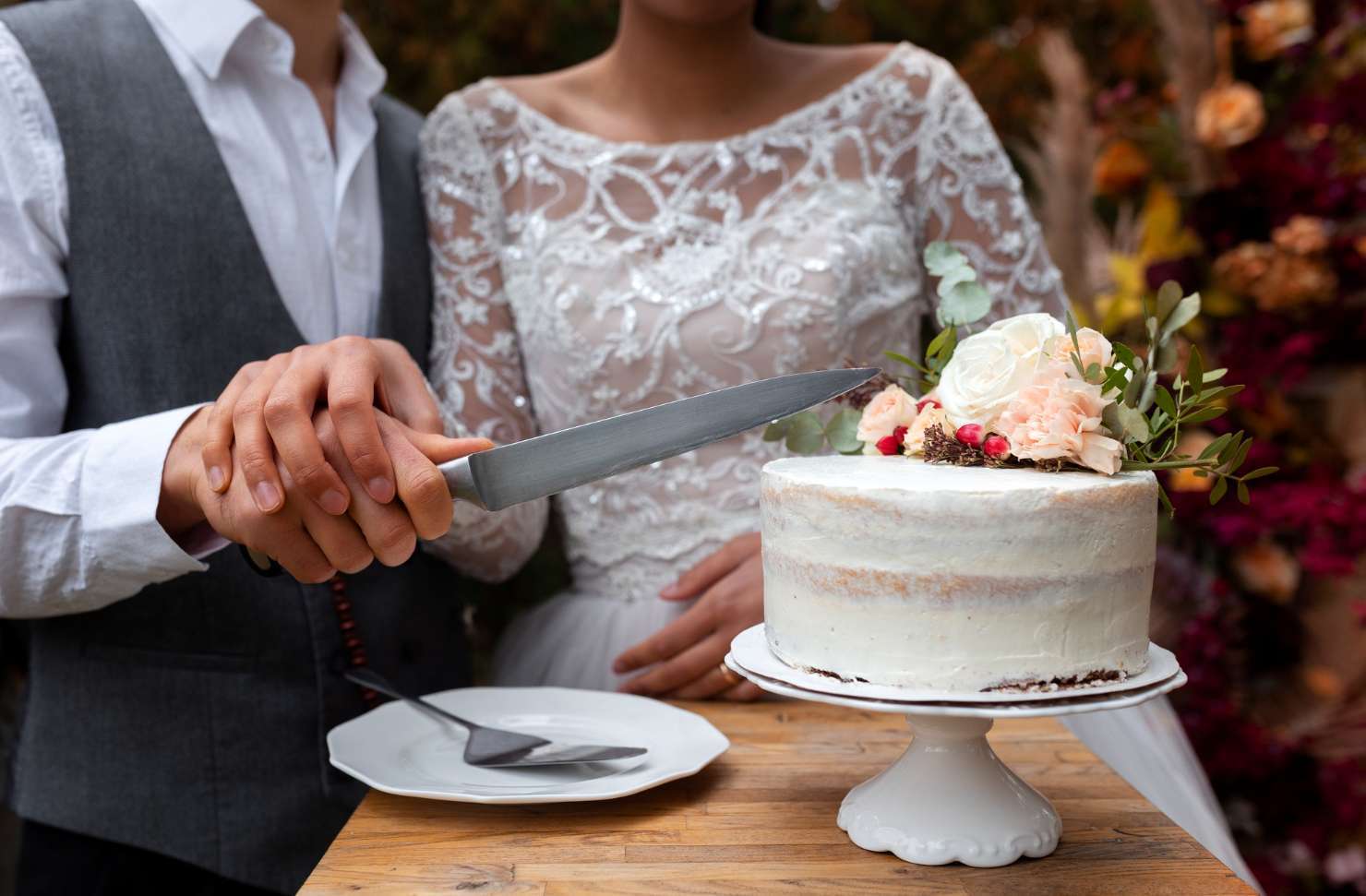
A semi-naked cake is often the safer choice, and it’s the one I see recommended most often by experienced bakers. This style uses a thin layer of buttercream around the outside of the cake. The icing is applied, then scraped back so parts of the sponge still peek through. The result looks natural but more controlled.
Semi-naked cakes work well for:
- Outdoor ceremonies and receptions
- Spring and summer weddings
- Larger guest counts where the cake sits longer
At one Mornington Peninsula wedding, the couple wanted a naked look but were worried about the heat. The baker suggested a semi-naked cake with vanilla buttercream and fresh berries. By the time the cake was cut, it still looked clean and tasted spot on. Guests never knew it was the “practical” option. That thin buttercream layer helps with:
- Moisture retention
- Heat resistance
- Cleaner edges in photos
Quick Comparison To Help You Decide
Here’s a simple way to compare the two styles before you lock anything in:
| Feature | Naked Cake | Semi-Naked Cake |
| Outer icing | None | Thin buttercream layer |
| Moisture control | Low | Moderate |
| Heat tolerance | Low | Better |
| Best for | Indoor or cool-weather weddings | Outdoor and warm-weather weddings |
| Look | Raw and rustic | Soft and polished |
| Margin for error | Very small | More forgiving |
If you love the exposed look but want less stress on the day, a semi-naked cake usually ticks more boxes.
Why Naked Cakes Fit Australian Wedding Styles So Well
Naked and semi-naked cakes didn’t become popular here by accident. They suit how Australians get married. Our venues are open. Our styling leans relaxed. Our celebrations often blur the line between indoors and outdoors. A cake that looks natural instead of formal fits right into that mix.
I’ve worked on weddings where the cake sat under a fig tree, beside a vineyard, or in a heritage ballroom dressed with soft linen and candlelight. In each case, the naked cake didn’t feel like a statement piece. It felt like it belonged.
Rustic, Garden, And Boho Weddings Explained Simply
Rustic weddings dominate the Australian market, especially across Victoria, South Australia, and regional New South Wales. Think long tables, timber features, native greenery, and spaces that already have character.
A naked wedding cake works in these settings because:
- It matches natural textures like wood and stone
- It complements native florals and seasonal fruit
- It doesn’t compete with the room
At a country homestead wedding outside Ballarat, the couple paired a two-tier naked cake with eucalyptus leaves and soft white roses. The venue had exposed beams and open fireplaces. A high-gloss fondant cake would have felt out of place. The naked cake felt right.
Boho and garden weddings lean the same way. Loose styling. Nothing too perfect. A cake that looks handmade suits the mood.
How Australian Weather Shapes Cake Choices
Weather plays a bigger role in cake choice here than many couples expect. Australia doesn’t give you much margin for error, especially from October through March.
Here’s what I always consider when couples ask about naked cakes:
- Heat: Summer temperatures dry the exposed sponge quickly
- Sun: Direct sunlight affects colour and texture
- Timing: Long gaps between cake delivery and cutting increase the risk
Semi-naked cakes cope better because the thin buttercream layer slows moisture loss. That’s why many bakers gently steer couples in that direction for outdoor receptions.
I once watched a cake cutting delayed by speeches, sunset photos, and a surprise performance. The semi-naked cake still held up. A fully naked cake would not have been as forgiving. If your wedding includes:
- An outdoor ceremony
- A late cake cutting
- Warm weather
…then planning for the climate isn’t optional. It’s essential.
Naked Cake Wedding Design Ideas That Guests Remember
A naked cake may look simple, but the design choices around it make all the difference. Because there’s no thick icing to distract the eye, every detail stands out. When couples get this right, the cake becomes a quiet showpiece. When they don’t, it can look unfinished.
I’ve seen guests talk about a cake long after the wedding — not because it was overstyled, but because it felt thoughtful and well-matched to the day.
Naked Cake With Flowers — What Works And What Doesn’t
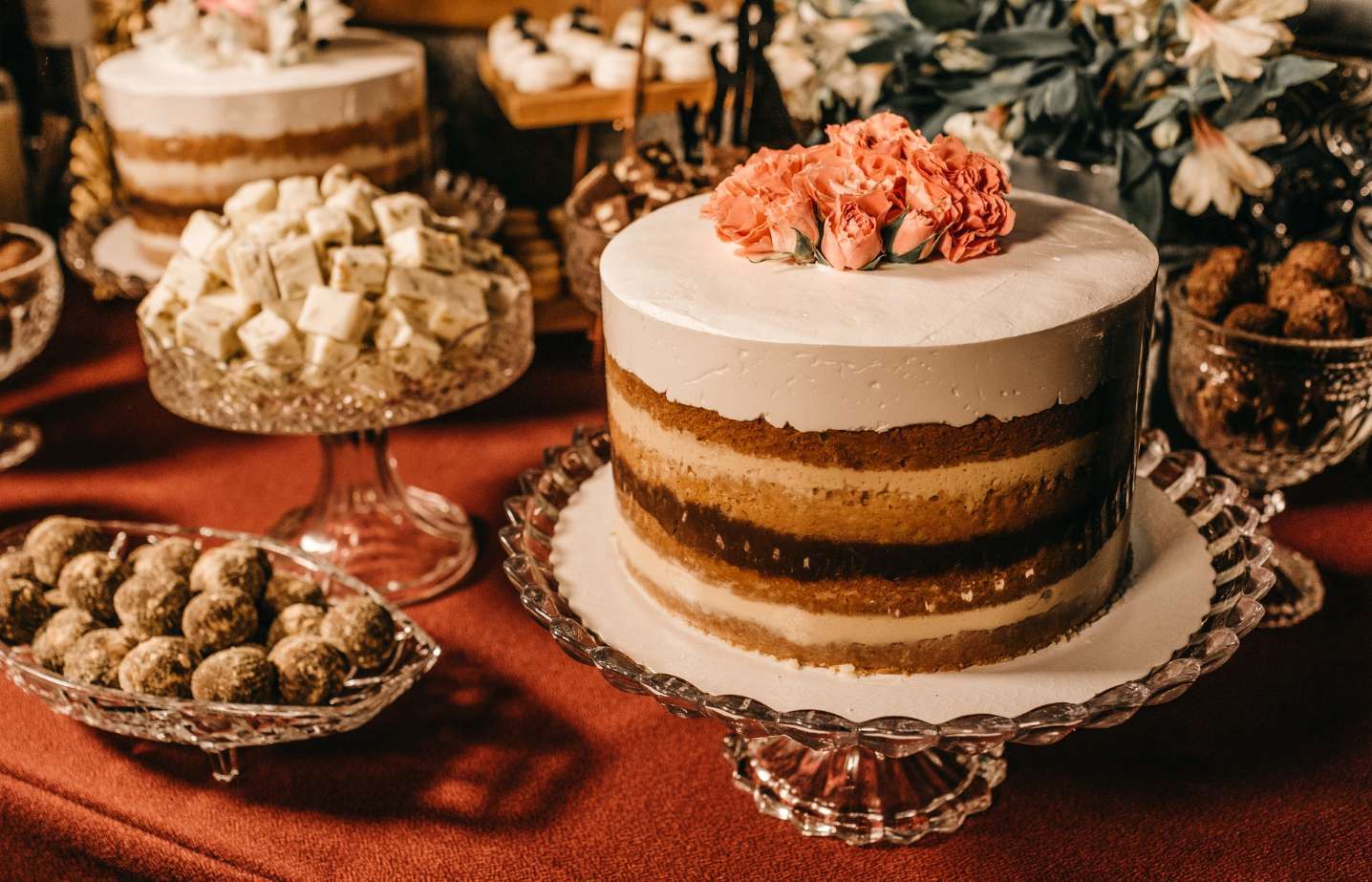
Flowers are the most popular decoration choice for naked cakes, and for good reason. They soften the exposed sponge and tie the cake into the wider styling.
What works best in Australian weddings:
- Roses, orchids, ranunculus, and native blooms
- Small clusters rather than full coverage
- Florals that match the bridal bouquet
What causes problems:
- Large, heavy flowers that weigh down the cake
- Too many stems are pushed directly into the sponge
- Blossoms that wilt quickly in the heat
I once saw a beautiful naked cake ruined by wilting flowers halfway through a summer reception. The baker had done their job. The issue was the choice and placement of the flowers.
There’s also a safety side couples often miss. Bare flower stems should never touch the cake. Professional bakers use food-safe barriers, such as posy picks or sealed straws. If your florist or baker doesn’t mention this, ask.
Fresh Fruit Naked Cakes Using Australian Produce
Fresh fruit brings colour, texture, and flavour — and it makes sense in a country that grows so much of it. Some combinations I see work well:
- Summer: Strawberries, raspberries, cherries
- Autumn: Figs, grapes, pears
- Citrus touches: Lemon slices or zest for brightness
Fruit should be added close to serving time, especially in warm weather. When it’s done right, it looks abundant without feeling heavy. At a winery wedding in the Yarra Valley, the couple used figs and blackberries from a local grower. Guests recognised the fruit. It felt local and intentional.
Minimalist Vs Statement Naked Cake Styling
Naked cakes fall into two clear camps.
Minimalist styling suits:
- Smaller weddings
- Elegant venues
- Couples who want the cake to blend in
This usually means:
- One or two tiers
- Light dusting of sugar
- Subtle florals or fruit
Statement styling suits:
- Feature dessert tables
- Larger guest lists
- Couples who want a focal point
This often includes:
- Extra height
- Decorative accents like gold leaf
- A styled plinth or cake stand
Neither approach is right nor wrong. The key is matching the cake to the room. A bold cake in a quiet space works. A quiet cake in a busy room can disappear.
Rustic Wedding Cakes That Still Feel Elegant
Rustic doesn’t mean rough. This is where some couples get caught out. A naked cake should look relaxed, not careless. The line between the two is thin, and it usually comes down to finish and restraint. I’ve seen naked cakes that felt romantic and refined, and others that looked like they were rushed out the door. The difference wasn’t the budget. It was execution.
How To Keep Rustic From Looking Messy
A rustic cake still needs structure. Clean sponge layers. Even fillings. Sharp cuts. When those basics are right, the exposed look feels intentional. Here’s what keeps a naked cake on the elegant side:
- Straight, level layers
- Consistent filling thickness
- Clean edges around the sponge
- Controlled decoration
One couple I worked with wanted a “super relaxed” cake. The baker pushed back, explaining that too much uneven texture would be visible. They agreed to a neater finish with minimal florals. The cake still felt rustic, but it photographed beautifully and didn’t look sloppy. Rustic works best when it’s guided, not left to chance.
Luxury Touches That Elevate A Naked Cake
If you love the naked look but want something a little special, small details go a long way. Popular upgrades that don’t overwhelm the cake:
- Edible gold leaf placed sparingly
- Handmade macarons in matching tones
- Light chocolate or caramel drips
- Custom cake toppers in timber or acrylic
These touches work because they add contrast. They catch the eye without covering the sponge. I’ve noticed that couples often regret going too plain rather than too bold. A single accent can lift the whole cake and make it feel worthy of the moment.
Popular Naked Cake Flavours That Guests Actually Finish
Flavour matters more with naked cakes than with any other style. With no thick icing to mask mistakes, the sponge and filling do all the work. The good news is that couples don’t need to reinvent the wheel. The flavours that work best are familiar, balanced, and crowd-friendly.
I’ve watched hundreds of cake tables at the end of the night. The patterns are clear. Simple flavours disappear first.
Classic Flavours That Never Fail
These combinations show up again and again because guests enjoy them and bakers know how to execute them well:
- Vanilla bean sponge with vanilla buttercream
- Chocolate sponge with chocolate ganache
- Lemon sponge with lemon curd and cream
A classic Victoria sponge is especially popular for naked wedding cakes. The layers look clean. The flavour feels nostalgic. Guests recognise it straight away. At one wedding in regional Victoria, the couple worried vanilla would be boring. By the end of the night, there wasn’t a crumb left. Meanwhile, the “experimental” dessert table items sat untouched.
Crowd-Pleasers With A Twist
If you want a little more personality without losing mass appeal, small twists work better than bold risks. Good examples include:
- Salted caramel buttercream
- Raspberry or strawberry jam layers
- White chocolate ganache
- Almond or hazelnut sponge bases
These flavours still feel familiar, but they add interest. Bakers often recommend limiting the cake to one or two flavour profiles rather than mixing every tier. I usually advise couples to think about their guest list. If you’ve got a wide age range, safe doesn’t mean boring. It means enjoyed.
Wedding Cake Alternatives For Couples Skipping Tradition
Not every couple wants a big tiered cake. Even among couples who love the naked look, many now use it as part of a wider dessert plan rather than the only sweet on offer. I see this approach often in Melbourne venues where dessert tables double as a styling feature.
A naked cake works well here because it still gives you a clear “cake moment” without forcing tradition on couples who don’t connect with it.
Semi-Naked Cake As The Gateway Option
For couples sitting on the fence, a semi-naked cake often becomes the middle ground. It looks relaxed, but it still feels like a proper wedding cake. This is especially popular with families who expect a cake, even if the couple themselves are less fussed.
I’ve worked with couples who:
- Choose a small semi-naked cake for cutting photos
- Served alternative desserts to guests
- Avoided the cost of a large multi-tier cake
This option keeps everyone happy. You get the photos. Guests get dessert. No one feels like something was skipped.
Alternative Wedding Desserts That Pair Well With Naked Cakes
Naked cakes sit comfortably alongside other desserts because they don’t dominate the table. Common pairings I see at Australian weddings include:
- Cupcakes in matching flavours
- Mini tarts or slices
- Doughnuts on stands
- Pavlova or meringue nests
Venues usually prefer desserts that are easy to portion and serve. If your venue provides catering, check whether they handle dessert service or if your baker needs to supply staff.
A quick planning tip:
- Cake for photos and formal cutting
- Desserts for guest service
- Leftover cake boxed for the couple
Non-Traditional Wedding Cakes Guests Still Recognise As “The Cake”
Even couples who skip tradition usually want one focal dessert. Guests look for it. They gather around it. They expect a moment. A naked cake fills that role without feeling stiff or formal. It still marks the celebration. It still gives you that pause in the night where everyone claps, photos are taken, and something sweet is shared.
Pros And Cons Of Naked Wedding Cakes You Should Know Before Booking
Naked cakes photograph beautifully and taste great, but they aren’t the right choice for every wedding. I’ve seen couples thrilled with their decision, and I’ve seen others wish they’d asked a few more questions early on. Knowing the upsides and the trade-offs makes all the difference.
Benefits Couples Appreciate After The Wedding
These are the positives couples mention when I check in after the day:
- Flavour comes first
Guests actually eat the cake. Seconds are common. - Less sweetness
Ideal for couples who dislike fondant or thick icing. - Natural look
Works well with rustic, garden, and relaxed styling. - Budget control
Money goes into ingredients, not decoration.
Many couples also like that naked cakes don’t feel dated. They suit modern weddings without chasing trends too hard.
Drawbacks That Only Show Up On The Day
This is where honesty matters. Naked cakes come with risks. The most common issues I’ve seen:
- Dry the sponge if exposed too long
- Uneven layers that stand out
- Heat stress at outdoor receptions
I once watched a cake sit untouched for over three hours because speeches ran long. By the time it was cut, the edges had dried. Guests still ate it, but the cake didn’t shine the way it could have. These issues aren’t deal-breakers. They’re planning issues. Here’s a simple checklist to reduce risk:
- Schedule the cake cutting earlier
- Choose semi-naked over fully naked in summer
- Confirm when the cake will be assembled
- Ask how moisture will be retained
A naked wedding cake works when it suits the wedding, not just the trend. In Australian conditions, that means understanding the venue, the season, and the timing of your reception. When couples plan for heat, storage, and serving, naked and semi-naked cakes deliver where it counts — flavour, style, and a relaxed feel that guests connect with.
I’ve seen these cakes shine at vineyard weddings, garden receptions, and softly styled ballrooms because they feel honest and intentional. Choose the style with your eyes open, work with a baker who understands local conditions, and your cake will be remembered for the right reasons.