In Melbourne, marquee weddings are popular for good reason. You can host your day almost anywhere. A family home in Brighton. A paddock out near Macedon. A vineyard with views that stop guests mid-sentence. You are not boxed in by venue rules, lock-in caterers, or early curfews. You decide how the day runs, what it looks like, and how it feels.
The trade-off is simple. You are not booking a venue. You are building one.
That means power does not magically appear. Toilets do not exist unless you hire them. Floors matter more than couples expect, especially after a spring downpour or a 38-degree January day. Melbourne weather has a habit of throwing “four seasons in one day” at outdoor weddings, and marquees don’t forgive poor planning.
This guide is written to help you land in the first camp.
If you’re planning a marquee wedding in Melbourne, this article will discuss what actually matters. The structures that work. The permits you cannot ignore. The planning decisions that save money, time, and stress. I’ll share what I’ve seen work on real Melbourne sites, what trips couples up, and where cutting corners usually backfires.
A marquee wedding can be one of the most memorable ways to get married in this city. You just need to go in with your eyes open and a solid plan on paper before the first peg hits the ground.
What A Marquee Wedding Really Means (And Why It’s Not Just A Tent)
Why A Marquee Wedding Gives You More Freedom Than A Fixed Venue
One of the biggest reasons couples choose a marquee wedding is the control it offers. Real control. Not the “you can choose from three centrepieces” kind, but the ability to shape the entire day from the ground up.
With a marquee, you choose the location first. I’ve worked with couples who hosted weddings in their parents’ backyard in Kew, others on private farmland past Gisborne, and more than a few on vineyard blocks that never operate as venues. That freedom changes everything. You decide where the ceremony sits. Where the bar faces. How guests move from drinks to dinner without being herded down a corridor.
You also avoid many of the usual venue restrictions. No mandated suppliers. No early bump-out times because another event is booked the next morning. No rigid noise curfews set by a ballroom calendar. For couples who want their wedding to feel personal, a marquee gives breathing room.
There’s also a visual benefit. A clearspan marquee on a green site feels open and calm. Natural light during the day. Soft lighting at night. You are not fighting against carpet patterns or fixed walls. Stylists love this blank canvas because every styling choice reads clearly.
That said, freedom only works when it’s supported by planning. Without structure behind the scenes, that flexibility turns into guesswork fast.
The Hidden Reality — You’re Building A Venue From Scratch
Here’s the part couples often miss early on. When you book a marquee wedding, you take on all the jobs a venue normally handles quietly in the background.
Power is the most common shock. A DJ, band, caterer, lighting, bar fridges, and coffee machines cannot run off a household power outlet. I’ve seen couples assume they could “add one more extension lead” and end up tripping the system halfway through speeches.
Then there are toilets. If your site isn’t near a permanent building, you need to hire them. Not just any toilets, either. Guests remember bathroom experiences, especially at weddings. Luxury trailers are now the standard, not a splurge.
Flooring is another quiet hero. Melbourne soil can turn soft quickly. Even on a sunny day, heels sink, tables wobble, and dance floors shift if the ground isn’t properly prepared. Once guests notice it, the spell is broken.
Permits also catch couples out. Under Victorian rules, marquees over certain sizes require approval. Councils may want site plans, insurance certificates, and noise management plans. None of this is difficult, but it does take time.
I worked with a couple in the eastern suburbs who booked their marquee early and assumed everything else would “slot in.” Six weeks out, we realised their site needed council siting approval and a generator upgrade. We fixed it, but it cost more than it needed to.
A marquee wedding works best when you treat it like a project, not a gamble. Once the structure is solid, everything else feels easy.
Choosing The Right Marquee Style For Your Wedding Vision
Not all marquees behave the same way, especially under Melbourne conditions. The right structure affects layout, guest comfort, styling, and even how smoothly suppliers can do their job. I’ve seen stunning weddings succeed purely because the marquee choice matched the site, and others struggle because the structure fought the environment.
Below are the marquee styles most commonly used for weddings in Melbourne, with clear pros, limits, and ideal use cases.
Clearspan Marquees — The Most Popular Marquee Wedding Option In Melbourne
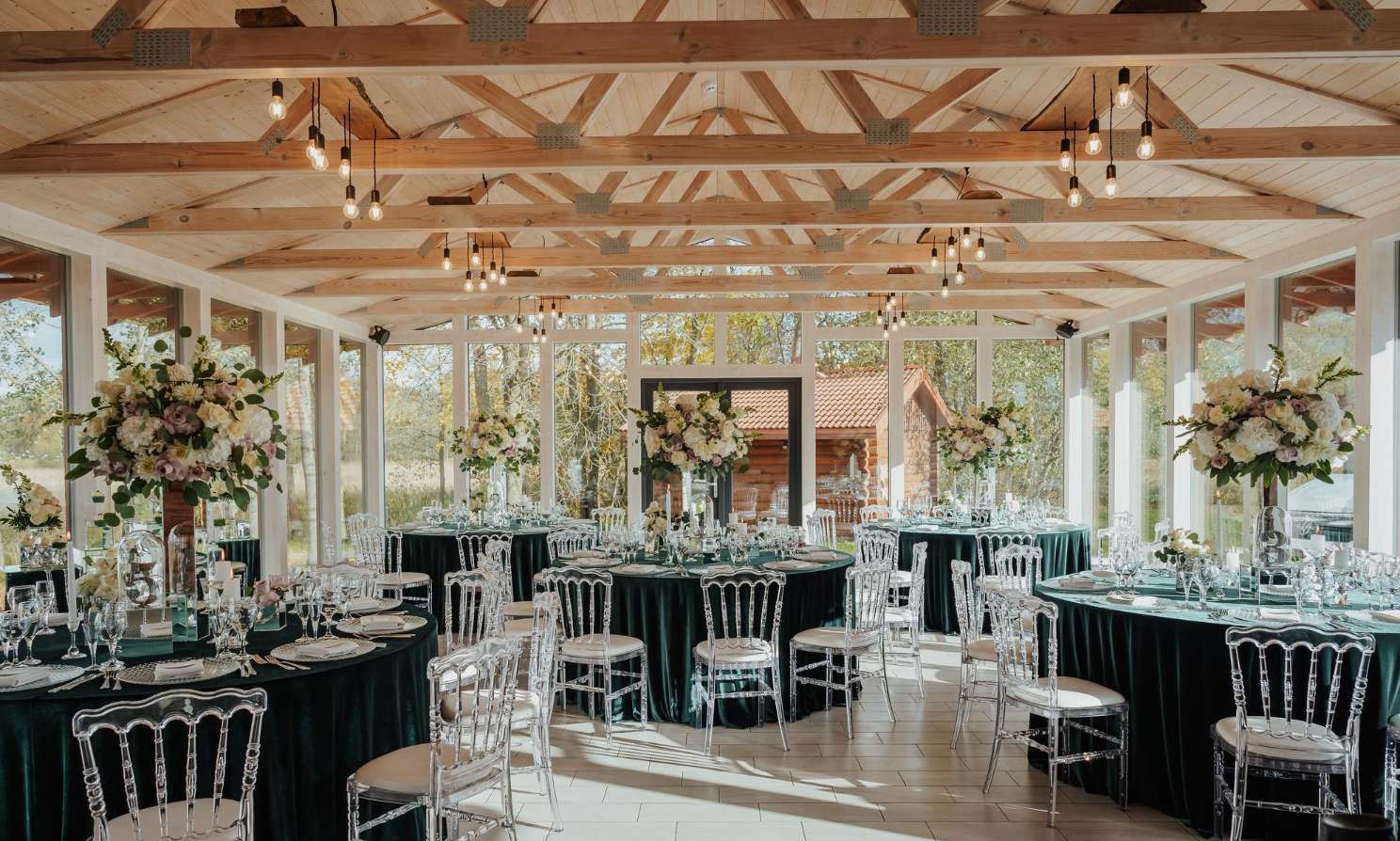
If I had to pick a workhorse marquee for Melbourne weddings, this would be it. Clearspan marquees use a solid frame system with no internal support poles, offering total flexibility within the space. Why couples choose them:
- No centre poles interrupting tables, dance floors, or sightlines
- Clean, modern lines that suit both formal and relaxed styling
- Can be installed on grass, concrete, or paved areas using weighted systems
- Easy to extend or reconfigure if guest numbers change
From a planning perspective, clearspan marquees are forgiving. Caterers love them because layouts make sense. Bands love them because staging is predictable. Photographers love them because the light behaves consistently.
They also handle Melbourne’s weather better than most. With solid walls, proper flooring, and climate control, they perform well in both summer heat and winter cold.
Best suited for:
- Guest lists from 60 to 300+
- Backyard weddings, estates, vineyards, and private land
- Couples who want flexibility without surprises
Traditional Peg And Pole Marquees For Classic Garden Weddings
Peg and pole marquees have character. The timber poles, high peaks, and flowing lines suit romantic garden settings beautifully. When they work, they really work. That said, they come with firm site requirements.
Key considerations:
- Must be staked into the ground
- Require flat, open grass areas
- Limited flexibility once installed
- Internal poles affect table layouts
I once worked with a couple in Mount Eliza who loved the look but underestimated the pole placement. Their dream long banquet table ended up split in two. It still looked lovely, but it wasn’t the vision they had sketched.
Best suited for:
- Flat lawns with good soil depth
- Smaller to mid-size guest counts
- Couples prioritising style over layout freedom
Tipi And Nordic Tents For Relaxed, Festival-Style Weddings
Tipis have grown in popularity across regional Victoria, especially for couples chasing a laid-back, “wedstival” feel. They work particularly well on uneven ground, where traditional marquees struggle.
Why couples choose tipis:
- Handle slopes better than most marquees
- Create natural zones for dining, dancing, and lounging
- Allow internal fire pits (subject to safety approval)
- Feel informal and social
However, they are not blank canvases. Ceiling heights vary, wall options are limited, and climate control can be trickier in extreme weather.
Best suited for:
- Regional or rural properties
- Casual, multi-day celebrations
- Couples are comfortable with a less formal layout
Clear Roof Marquees — Stunning But Risky In Melbourne
Clear roof marquees look incredible in photos. Daylight floods in. At night, the sky becomes part of the décor. I’ve seen unforgettable dinners under the stars in these structures. I’ve also seen guests sweat through speeches. Melbourne sun plus clear roofing equals heat build-up. Even on mild days, things can get uncomfortable without planning.
If you choose a clear roof marquee, plan for:
- Roof draping or partial coverage
- Aggressive ventilation
- Cooling systems for summer dates
Here’s a quick comparison to help decide:
| Marquee Type | Visual Impact | Weather Control | Layout Flexibility | Risk Level |
| Clearspan | High | High | Very High | Low |
| Peg & Pole | High | Medium | Medium | Medium |
| Tipi | Medium | Medium | Low | Medium |
| Clear Roof | Very High | Low | High | High |
Clear roofs work best for evening-focused events or shoulder-season dates where heat is less of a concern.
Marquee Wedding Melbourne Permits, Rules, And Legal Requirements
This is the part of marquee planning that isn’t glamorous, but it matters. Melbourne councils and state authorities take temporary structures seriously, and for good reason. You’re inviting people into a space that did not exist yesterday. Safety, access, and compliance all come into play.
Most permit issues don’t arise because couples ignore the rules. They happen because no one explained them clearly at the start.
When A Marquee Needs A Victorian Building Authority Permit
Under the Building Act 1993, some marquees are classed as prescribed temporary structures. The key trigger is size. If your marquee has a floor area greater than 100 square metres, you generally need an occupancy permit issued through the Victorian Building Authority (VBA).
That permit confirms:
- The structure meets engineering standards
- It has been installed correctly
- It is safe for public use
Many reputable marquee hire companies handle this process for you, but never assume. Always ask who is responsible for obtaining the permit and factor the timing into your planning.
Common mistake: Couples finalise their layout late, expand the marquee to fit extra tables, and unknowingly cross the 100 m² threshold without updating their permits.
Siting Approval And Council Involvement
Even with a VBA occupancy permit, you may still need siting approval from the local municipal building surveyor. This approval looks at where the marquee sits, not just how it is built.
Councils may assess:
- Proximity to boundaries and buildings
- Emergency access
- Impact on neighbours
- Ground conditions
This is particularly relevant in residential suburbs like Camberwell, Essendon, or Brighton, where properties sit close together.
Public Land Vs Private Property Marquee Weddings
Private land is usually simpler. Most backyard or rural marquee weddings do not require council event permits, provided noise and access rules are respected. Public land is different. If you’re planning a marquee wedding in places such as:
- Royal Botanic Gardens
- St Kilda Foreshore
- Local council parks or reserves
You will almost always need:
- Council approval
- A Minor Event Permit
- Proof of insurance
- Detailed site and bump-in plans
Approval timelines vary, but councils rarely rush. Start enquiries early.
Public Liability Insurance — What’s Required In Melbourne
Most councils and land managers require Public Liability Insurance of at least $20 million. This covers injury or damage linked to the event. In many cases:
- The marquee company carries insurance for the structure
- Caterers carry their own cover
- You may need an event-specific policy to bridge gaps
Always confirm coverage in writing. It’s one of those things you hope you never need, but you don’t want to be guessing. “Permits aren’t there to make life difficult. They exist to stop things from going wrong when temporary spaces fill with people.”
Wedding Tent Hire Logistics You Must Lock In Early
Logistics are where marquee weddings succeed or unravel. These are the elements guests never notice when they work—and complain about when they don’t.
Power Planning For A Marquee Wedding
Household power cannot handle weddings. Full stop. Between catering equipment, lighting, audio, refrigeration, and coffee machines, demand adds up fast. In Melbourne, the safe option is almost always a generator.
General guide:
- 80–100 guests: 30–45 KVA generator
- 120–150 guests: 45 KVA generator or higher
Avoid:
- Daisy-chaining extension cords
- Running multiple suppliers off one circuit
- Guessing power needs without a load plan
I’ve seen speeches stop mid-sentence because a fridge compressor kicked in. It’s avoidable.
Catering Requirements Most Couples Overlook
Most professional caterers need more than just space. They need a functional working area. Typical requirements include:
- A 5m x 5m satellite kitchen tent
- Level flooring
- Dedicated lighting
- Easy access to power and water
This kitchen usually attaches to the main marquee but stays hidden from guests. It keeps service smooth and stress low.
Water Access For Catering And Staff
Caterers need reliable drinking water. Depending on the site, this may be:
- A food-grade garden hose connection
- Bottled water supply
Check pressure and distance early. Long hose runs reduce flow and slow service.
Toilets That Won’t Ruin The Guest Experience
If permanent toilets are not nearby, hire them. And hire enough. A simple rule that works:
- 1 toilet per 50 guests
Luxury toilet trailers are now standard for weddings. They include lighting, mirrors, running water, and proper ventilation.
Placement tips:
- Easy to find but not front and centre
- Well-lit paths
- Flat, stable ground
Waste Management In Melbourne Heat
Outdoor weddings generate more waste than couples expect, especially in summer.
Plan for:
- On-site rubbish and recycling stations
- Mid-event bin swaps if numbers are high
- Prompt post-event removal
Melbourne’s heat does not forgive leftovers sitting overnight.
Weatherproofing A Marquee Wedding For Melbourne Conditions
If you’ve lived in Melbourne long enough, you know the saying about four seasons in one day isn’t a joke. I’ve seen marquee weddings start in sunshine, cop a cold change mid-ceremony, and finish under clear skies. The couples who enjoy the day are the ones who plan for it. Weatherproofing is not about panic. It’s about giving yourself options.
Flooring Options That Protect Against Rain And Uneven Ground
Flooring is one of the smartest investments you can make for a marquee wedding. Even on a dry forecast, ground conditions can change fast.
Why flooring matters:
- Prevents sinking heels and wobbly tables
- Keeps the marquee level on sloped sites
- Protects electrical cables from moisture
- Makes cleaning and pack-down faster
For uneven sites, cassette flooring is the gold standard. It can level slopes up to 600mm, opening sites that would otherwise be unusable.
Common flooring options:
| Flooring Type | Best For | Cost Range | Notes |
| Matting | Dry grass | Low | Budget-friendly, limited support |
| Cassette flooring | Slopes, soft ground | Medium | Strong, flexible, practical |
| Polished timber | Formal weddings | High | Looks great, higher install time |
If rain is forecast, I always recommend full flooring. Mud ruins shoes, hems, and moods.
Heating Solutions For Winter Marquee Weddings
Winter marquee weddings in Melbourne can be beautiful. Crisp air, clear skies, and no heat stress. They do, however, need proper heating. Skip anything with open flames. Instead, look for indirect heaters.
Why indirect heaters work:
- Deliver fume-free warmth
- Allow thermostat control
- Distribute heat evenly
Position heaters outside the marquee, with warm air ducted in. This keeps the interior safe and comfortable without noise or smell.
Cooling Strategies For Hot Summer Weddings
Summer is where many marquee budgets blow out, because cooling gets added late. Options include:
- Portable fans for airflow
- Misting systems for outdoor areas
- Portable air conditioning units
Portable AC units typically cost $1,500–$2,200 to hire in Melbourne, depending on size and duration. They also require extra generator capacity, which must be planned early. If your wedding is between December and March, assume you will need some form of cooling.
Wind Ratings And Safety Cut-Offs
Commercial-grade marquees are generally rated for winds up to 80km/h. That doesn’t mean they should be tested. Marquee companies may:
- Refuse to install if high winds are forecast
- Delay bump-in for safety
- Require walls to be removed in extreme conditions
This is not them being difficult. It’s standard safety practice.
Smart planning tip: Have a wet-weather and high-wind plan agreed to in writing before the event week.
Site Planning Tips That Prevent Costly Mistakes
Most marquee problems are site problems in disguise.
Why A Professional Site Visit Is Non-Negotiable
Never book a marquee without a site visit. Photos lie. Measurements guess. A proper site visit checks:
- Exact dimensions
- Slope and drainage
- Soil conditions
- Access for trucks and equipment
I’ve seen couples book a marquee that, once installed, could not physically fit. A site visit avoids that headache.
Access Planning For Trucks And Bump-In
Marquee trucks are heavy. They need:
- Clear access routes
- Turning space
- Ground protection when crossing lawns
Some councils restrict bump-in times, especially in residential streets. Factor this into your schedule.
Noise Restrictions And Sound Limiters
Marquees do not contain sound. Music travels. Check:
- Local noise restrictions
- Whether a sound limiter is required
- Cut-off times for amplified music
A 95dB limiter can trip the power if exceeded. Live bands hit that limit easily.
Equipment Planning — Why Guest Numbers Lie
Guest count does not equal equipment count. Especially in Melbourne’s heat.
Glassware Calculations For Melbourne Weather
Guests drink more outdoors. It’s that simple.
For 60 guests, plan for:
- 480–600 pieces of glassware
This accounts for:
- Multiple drink types
- Bar changeovers
- Breakages
Running out slows service and frustrates guests.
Furniture, Dance Floors, And Spacing
Think beyond tables and chairs.
Consider:
- Dance floor size based on guest count
- Bar placement to avoid bottlenecks
- Space for speeches and entertainment
A crowded marquee feels chaotic. A well-spaced one feels calm.
Booking Timelines For Marquee Wedding Hire In Melbourne
Timing is everything with marquee weddings. Unlike venues, you’re competing for individual components—structures, flooring, generators, toilets, lighting. If one key supplier is unavailable, the whole plan wobbles. Melbourne’s wedding season runs hard from October through April, with long weekends and public holidays snapped up first.
Why Peak Season Sells Out Early
Marquee companies have finite stock. Once clearspan structures and flooring are booked, that’s it. There’s no overflow room. I’ve seen couples lock in their caterer and stylist early, then struggle to find a marquee large enough to suit their numbers six months out. By then, options are limited or expensive.
Ideal Booking Timeline By Priority
Use this as a practical guide, not a suggestion.
12 months out
- Marquee structure
- Flooring system
- Generator and power plan
9 months out
- Toilet trailers
- Lighting and festoon systems
- Satellite kitchen tent
6 months out
- Furniture hire
- Dance floor
- Bar infrastructure
Leaving marquee hire until late often forces compromises. Early bookings give you choice and pricing stability.
A marquee wedding in Melbourne gives you the freedom that few venues can match. You choose the location, the layout, the pace of the day, and how your guests experience it. That freedom comes with responsibility. You are building a venue, not just hiring a tent. When power, flooring, permits, and weather plans are handled early, the day feels calm and intentional.
When they are left to chance, stress creeps in fast. I’ve seen marquee weddings become some of the most memorable celebrations in this city because the planning was solid and the expectations were realistic. Get the structure right, and everything else falls into place.